
Plants
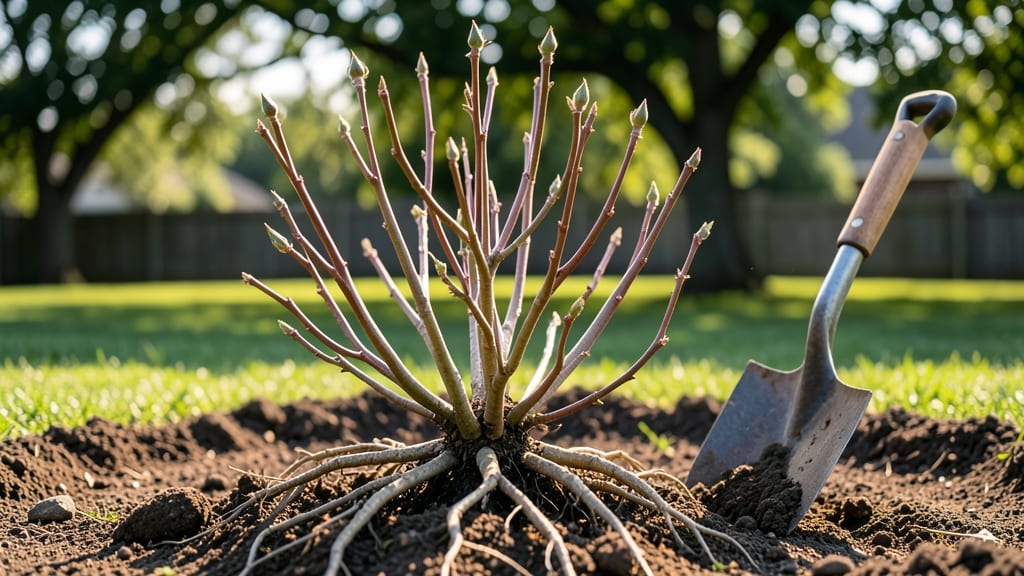
Planting roses in Zone 8 at the right time means the difference between a flourishing 🌹 bush and one that struggles through summer heat.
If you’ve ever watched your roses wilt under the Zone 8 sun because they were planted too late, you know timing is everything. The secret? Getting them in the ground 6-8 weeks before summer’s peak so roots establish before the real heat hits.
In Zone 8, that means two sweet spots: late fall (October–November) or early spring (February–March). Both windows avoid the brutal mid-summer drought and give your roses the head start they need.
Below, I’ll break down the exact planting windows, soil prep tricks, and how to tell if your roses are ready to thrive—so you can skip the guesswork and enjoy blooms all season.

Optimal planting windows for roses in Zone 8 by month
Planting roses in Zone 8 requires precise timing to avoid summer heat stress and winter dormancy challenges. The best windows are early fall and late winter, when soil temperatures hover between 50-65°F and rainfall patterns support root establishment.
Southern California and inland Zone 8 regions have slightly different microclimates, so I’ll break down the exact dates for each scenario.
For bare-root roses, the ideal planting window is October through November or February through March. Container-grown roses can handle a 2-week extension on either end, but avoid planting when daytime temperatures exceed 85°F—this causes transplant shock.
Let’s dive into the monthly breakdown with soil temperature thresholds and rainfall considerations.
| Month | Bare-Root Planting Window | Container-Grown Window | Soil Temp Threshold (°F) | Rainfall Pattern | Key Consideration |
|---|---|---|---|---|---|
| September | Late September (last 2 weeks) | Entire month | 55-65°F | Moderate (coastal areas) | Avoid inland heatwaves |
| October | Entire month (best window) | Entire month | 50-65°F | High (coastal), moderate (inland) | Roots establish before winter |
| November | Early November (first 2 weeks) | Early November | 45-55°F | Low (inland), moderate (coastal) | Risk of early frost in inland areas |
| February | Mid-February (after last frost) | Mid-February | 55-65°F | Moderate | Soil warms before spring growth |
| March | Early March (before heat stress) | Early March | 60-70°F | Low (spring drought starts) | Water deeply post-planting |
| April | Avoid (heat stress risk) | Avoid (unless container-grown) | >75°F | Very low | Transplant shock likely |
In Southern California, coastal areas like Los Angeles and San Diego can extend container-grown rose planting into early December or late January thanks to milder winters. However, inland regions like Riverside or San Bernardino should stick to the October-November window to avoid 32°F frosts that can damage tender roots.
For bare-root roses, always soak roots in lukewarm water for 2-4 hours before planting. This jumpstarts root growth in the cooler fall and winter soil. Container-grown roses need their root balls lightly trimmed if circling roots are visible—this encourages outward growth into your amended soil.
After planting, mulch heavily (3-4 inches) with wood chips or straw to retain moisture and regulate soil temperature. This is critical in Zone 8’s hot summers, where mulch can reduce soil temps by 10°F and maintain consistent moisture levels.
Avoid organic mulches like fresh grass clippings, which can mat and suffocate roots.
If you miss the ideal windows, container-grown roses can sometimes be planted in late spring (May), but you’ll need to provide daily shade cloth for the first 4-6 weeks and drip irrigation to prevent heat stress.
Bare-root roses planted in late spring almost always fail in Zone 8 due to their inability to establish roots before summer’s intensity.
Pro tip: Use a soil thermometer to verify temperatures before planting—below 50°F can stunt root growth, while above 75°F causes transplant shock. Most Zone 8 gardeners find October 15 to November 15 the sweet spot for 90% success rates with minimal post-planting stress.
🌹
How to prepare soil and roses for Zone 8 planting success
Zone 8’s unique climate—whether you’re dealing with sandy loam, clay-heavy soil, or coastal winds—demands special attention before planting roses. The right soil prep and rose preparation can mean the difference between a flourishing bush and one struggling to take root.
Let’s break down the essential steps to set your roses up for success in this tricky zone.
First, test your soil’s pH—roses thrive in slightly acidic to neutral soil (6.0–6.5).
If your soil is too alkaline (common in clay-heavy areas), amend it with sulfur or peat moss to lower the pH. For sandy soils, which drain too quickly, mix in compost or coconut coir to retain moisture.
Coastal areas may need extra organic matter to combat salty winds that can stress young plants.
When to Plant Roses in Zone 8: Pros and Cons
Planting in Fall (Oct-Nov)
- Pros: Cooler temps reduce transplant shock; roots establish before summer heat.
- Cons: Late fall planting may expose roses to early frosts if not mulched properly.
Planting in Early Spring (Feb-Mar)
- Pros: Avoids winter dormancy stress; aligns with natural growth cycle.
- Cons: Summer heat arrives quickly—may need extra watering and shade.
Tip: For bare-root roses, soak roots in water for 4-6 hours before planting to rehydrate. For container-grown roses, acclimate to outdoor conditions over 3-5 days to prevent shock.
For bare-root roses, prune canes to 18–24 inches before planting, cutting at a 45-degree angle just above an outward-facing bud. This encourages strong branching and reduces water loss.
If you’re planting container-grown roses, gently tease the roots to encourage outward growth, but avoid damaging them. Acclimate potted roses by placing them outdoors in partial shade for a few hours each day, gradually increasing exposure over 5–7 days.
When amending your soil, consider the trade-offs between organic and synthetic amendments. Compost and well-rotted manure improve soil structure and microbial life but may take longer to show results. Synthetic fertilizers like 10-10-10 provide quick nutrients but can burn roots if overapplied.
My go-to? A 50/50 mix of compost and a slow-release organic fertilizer to balance immediate and long-term needs.
Before planting, create a planting hole that’s twice as wide as the root ball but only as deep. This prevents root suffocation and allows roots to spread naturally.
Mix the removed soil with compost or aged manure (about 25% compost to 75% native soil) to ensure your roses get a nutrient-rich start. For clay-heavy soils, add gypsum to improve drainage, while sandy soils benefit from peat moss or perlite.
Finally, mulch heavily around your newly planted roses with 3–4 inches of organic mulch (like wood chips or straw) to retain moisture and regulate soil temperature. Avoid piling mulch against the stem, as this can cause rot.
Water deeply once a week for the first month, ensuring the soil stays consistently moist but not soggy. With these steps, your roses will thrive in Zone 8’s challenging climate.