
Trees
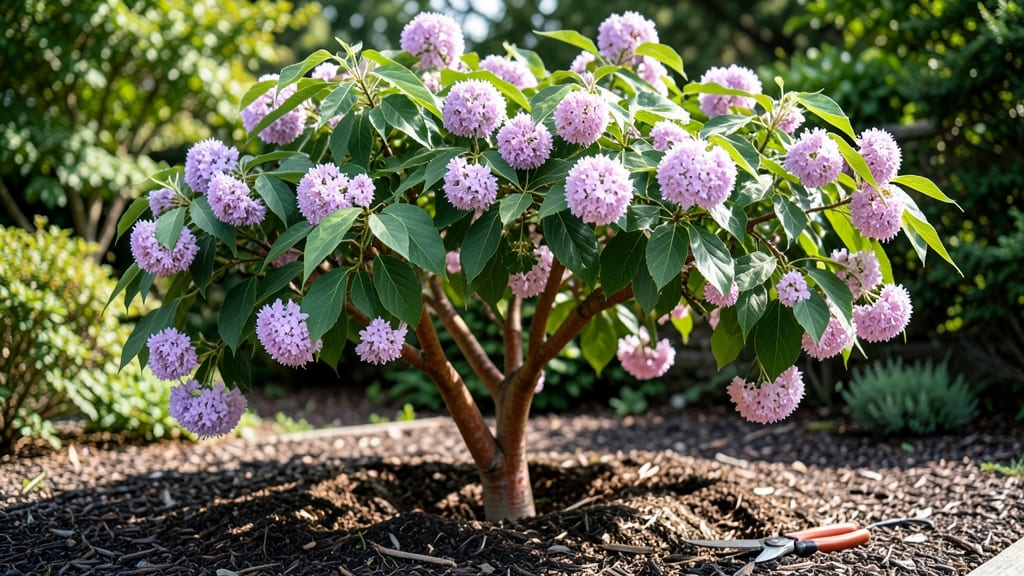
Crape myrtle grow zones span USDA hardiness zones 6 through 10, with cold-resistant types like 'Avalanche' thriving in zone 6 and heat-tolerant varieties extending into zone 10. Southern favorites like 'Natchez' excel in zones 7-9, while microclimates can shift these boundaries by 1-2 zones.
Crape myrtles are remarkably adaptable, but their growth success hinges on matching the right variety to your local climate. 🌿 The USDA zone system helps predict winter survival and summer heat tolerance, but factors like afternoon shade or wind exposure can expand a tree's viable range.
For example, coastal areas in zone 9 might support heat-tolerant varieties that would struggle inland. I always recommend testing soil moisture and observing nearby mature trees before committing to a specific cultivar.
What sets crape myrtles apart is their ability to handle both cold snaps and prolonged heat waves. Zone 6 varieties like 'Sioux' can withstand temperatures down to -10°F, while zone 10 types like 'Tonto' thrive in year-round warmth.
The key is selecting a cultivar whose natural range aligns with your winter lows and summer highs - a mismatch can lead to stunted growth or leaf scorch.
💡 In This Article
- Understanding Crape Myrtle Hardiness by USDA Zone
- Best Crape Myrtle Varieties for Specific Grow Zones
Understanding crape myrtle hardiness by USDA zone
The USDA zone system measures a plant's ability to survive winter cold, and crape myrtles showcase this beautifully across zones 6-10. These trees thrive when winter lows stay above -10°F, with their hardiness primarily determined by genetic adaptations in their bark and root systems.
For instance, 'Avalanche' crape myrtles develop thicker bark that insulates against cold, allowing them to push into zone 6 where most varieties fail.
Heat tolerance becomes equally critical in zones 9-10, where summer temperatures can exceed 100°F. Varieties like 'Tonto' have evolved with deeper root systems that access moisture during droughts, while their leaves contain waxy coatings that reduce water loss.
Interestingly, crape myrtles in hot climates often grow more vigorously because their extended growing season allows for more photosynthesis. The trade-off? Some southern varieties may struggle with winter chill requirements below 20°F, leading to delayed blooming or dieback.
Microclimates play a surprising role in crape myrtle success. A tree planted in a sheltered urban spot might survive a full zone colder than one exposed to wind or reflected heat from pavement. For example, I've seen 'Natchez' (zone 7-9) thrive in zone 6b when protected by a south-facing wall.
The key is observing your local frost patterns - areas with 100-200 hours below 32°F annually can support zone 6 varieties, while those with over 200 hours may need zone 7 types.
Seasonal transitions also matter. Crape myrtles in zone 8-10 often experience leaf scorch when summer humidity drops below 40%, while zone 6 varieties may suffer from winter desiccation if winds exceed 15 mph during dry cold snaps.
This explains why some gardeners in transitional zones (like zone 7b) use mulch rings 3-4 inches deep to moderate soil temperatures and retain moisture.
What most people don't realize is how crape myrtles adapt their blooming cycles based on zone. Northern varieties like 'Prairie Fire' bloom later (June-July) to avoid spring frosts, while southern types like 'Biloxi' flower as early as May.
This timing difference creates a 3-4 week shift in peak bloom between zone 6 and zone 10 plants - a critical factor for gardeners planning seasonal color displays.
For precise planning, check your local USDA zone map and compare it with the Plant Hardiness Zone Viewer tool from the USDA. Remember that elevation adjustments are needed - every 1,000 feet gain typically drops you one zone.
In mountainous regions, zone 7 at sea level might correspond to zone 5 at 5,000 feet elevation. 💫