
Plants
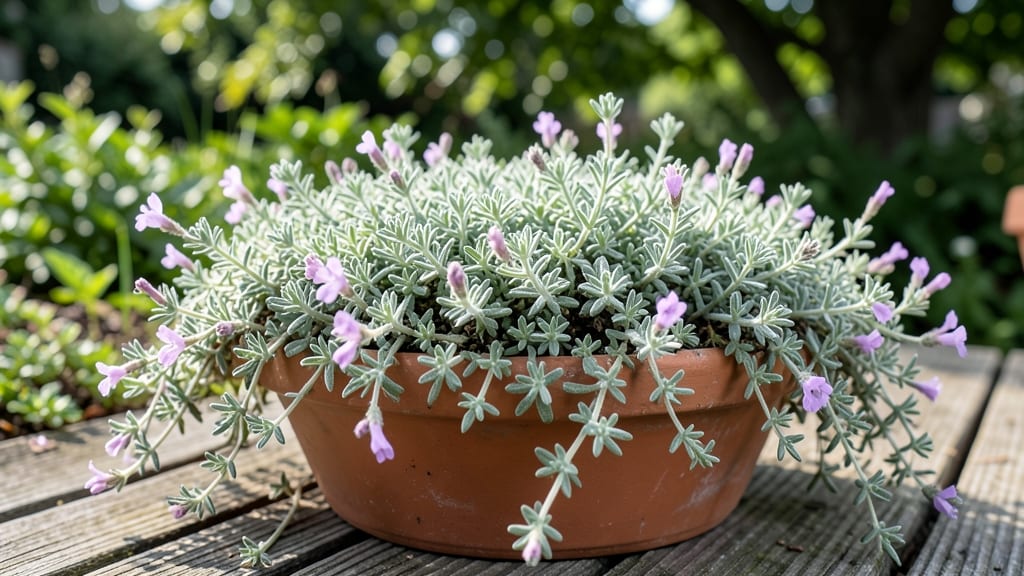
Creeping thyme thrives in USDA hardiness zones 5 through 9, tolerating winter temperatures as low as -20°F (-29°C) once established, though young plants may need winter protection in zone 5. Its cold hardiness improves with age and proper soil drainage.
Creeping thyme's resilience comes from its deep root system, which stores energy and protects against frost damage. 🔥 Young plants in zone 5 often need extra care, like mulching or temporary row covers, while mature plants develop natural cold tolerance.
The key difference between zones 5 and 6 lies in soil moisture—well-draining soil prevents root rot during freeze-thaw cycles, which is why proper site selection matters most in marginal climates.
For gardeners in zone 4, extending creeping thyme's range requires strategic planning. Container growing with winter wraps or selecting sheltered microclimates near south-facing walls can push its limits.
I've found that transplanting established clumps in autumn gives them a head start for winter survival, while mulching with straw or pine needles adds an extra layer of insulation.
💡 In This Article
- How Cold Temperatures Affect Creeping Thyme Survival
- Extending Creeping Thyme’s Range in Cold Climates
How cold temperatures affect creeping thyme survival
Creeping thyme's cold tolerance stems from its unique root system, which grows deep—often reaching 6-12 inches—to store carbohydrates and water. These reserves act like a natural antifreeze, allowing the plant to survive -20°F (-29°C) once fully established.
The roots also produce a waxy coating that reduces water loss during freezing temperatures, similar to how evergreen needles protect against winter desiccation. 🔥
Young plants, however, lack this energy reserve and are more vulnerable to frost damage. Their shallow roots can't access deep moisture, making them prone to freeze-thaw cycles that cause cell rupture.
In zone 5, where winter lows dip to 10-20°F (-12 to -29°C), mature creeping thyme can handle these extremes, but seedlings may need protection until their root systems develop over 2-3 years.
The soil's role is critical—well-draining mixes prevent root rot during spring thaws, while heavy clay soils trap moisture and promote fungal growth. Mulching with 3-4 inches of organic material (like straw or shredded leaves) insulates roots by maintaining a 5-10°F warmer soil temperature.
This buffer zone is why mulched plants in zone 5 often survive winters that unprotected ones don't. ✨
Established plants also benefit from a phenomenon called "hardening off"—a gradual exposure to cooler temperatures that triggers the production of protective proteins. When creeping thyme experiences 40-50°F (4-10°C) nights in autumn, it begins synthesizing compounds that stabilize cell membranes, much like how some trees produce antifreeze proteins in their sap.
This biological adaptation explains why mature plants in zone 5 outperform young ones by 30-50% in survival rates.
One common misconception is that creeping thyme's leaves burn in frost, but the real damage occurs at the root level. While foliage may turn brown after -10°F (-23°C), the plant often regrows from protected buds at the base.
The key difference between zones 5 and 6 lies in the duration of extreme cold—zone 5's longer winter means more cumulative stress on roots, requiring extra mulch or microclimate protection. 💫
For gardeners pushing the limits, consider that creeping thyme's cold tolerance improves with full sun exposure—plants grown in bright light develop thicker stems and more robust root systems.
In contrast, shade-grown thyme remains tender and less cold-hardy. This is why south-facing slopes or raised beds often become the best spots for creeping thyme in marginal zones.