
Vegetables
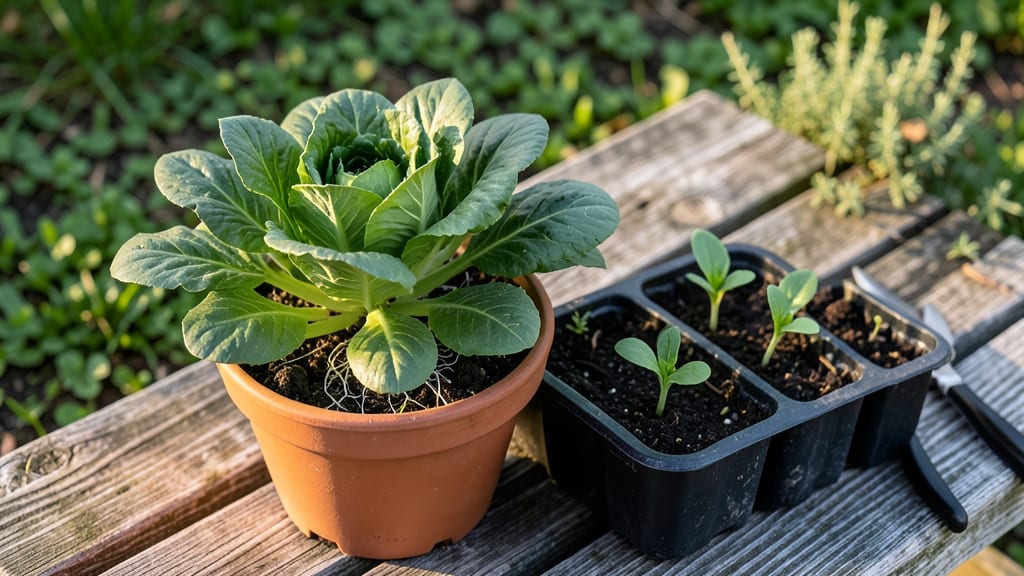
Zone 7’s early spring vegetables kick off the season when soil warms to 40°F—that’s when pole-trained peas and cold-hardy greens become your secret weapon for compact, productive gardens. 🌱 I learned the hard way that planting too early means soggy seeds and... stunted growth, while waiting too long means missing the sweet spot before summer heat takes over.
The key is timing: peas go in as soon as soil is workable, while greens like spinach and radishes can handle light frosts and even prefer cooler days for sweeter flavors.
You'll need just three essentials: a 4-inch-deep container or raised bed (or even a deep pot), well-draining soil mix (add compost for nutrients), and pea trellises—nothing fancy, just bamboo stakes or chicken wire.
The right varieties make all the difference: try Sugar Snap peas for sweet pods, Baby Bok Choy for quick greens, or Cherry Belle radishes that mature in 25 days. These plants thrive in partial shade, perfect for gardeners with limited sun or late-season shade from trees.
By mid-April, you'll be harvesting tender peas and crisp greens that outperform anything from the store. The peas climb their trellis while the greens spread low, creating a vertical-and-horizontal harvest system that maximizes small spaces.
Just watch for slugs (they love young lettuce) and powdery mildew (space plants for airflow), and you'll avoid the most common pitfalls. The first harvests arrive in 4-6 weeks, giving you fresh greens just as store-bought options start disappearing.
This system works for balconies, patios, or backyard plots—anywhere you can fit a 4x4-foot space. The same timing and care apply whether you're growing in containers or in-ground, so you can adapt to your space.
Once you master early spring, you'll see how easy it is to extend the season into fall with the same techniques. Let's get those seeds in the ground!
📚 In This Guide
- What you need
- Instructions
- Tips and common mistakes
- Wrapping up and next steps
What you need
- ● Seeds: Pole-trained peas (e.g., Sugar Snap, Sugar Sprint, or Wando) – 1–2 packets (50–100 seeds)
- ● Leafy greens (e.g., Spinach, Kale, or Lettuce) – 1–2 packets (100–200 seeds)
- ● Garden Soil: High-quality, well-draining potting mix or compost-enriched garden soil (5–10 gallons).
- ● Fertilizer: Balanced organic fertilizer (e.g., 10-10-10) or compost tea for nutrient boost.
- ● Mulch: Straw or shredded leaves (2–3 inches) to retain moisture and suppress weeds.
- ● Watering Can or Hose: With a gentle spray nozzle for delicate seedlings.
- ● Trowel or Hand Fork: For planting and soil prep.
- ● Garden Gloves: To protect your hands from dirt and thorns (peas can be prickly!).
- ● Trellis or Pea Stakes: 4–6 ft tall (bamboo, metal, or netting) for pole-trained peas.
- ○ Row Cover or Frost Blanket: (Optional) To protect tender greens from late frosts.
- ● Plant Labels: Small stakes or markers to track varieties.
- ● A sunny spot (6+ hours of sunlight daily) or partial shade for greens.
- ● Well-drained soil with a pH of 6.0–7.0 (test with a soil kit if unsure).
- ● Patience! Early spring in Zone 7 means cool temps (40–60°F)—start seeds indoors 4–6 weeks before last frost.
Step-by-step guide to planting early spring vegetables in Zone 7
Zone 7’s mild winters let you jumpstart the season with cold-hardy crops that thrive in cool soil.
🌱 Step 1: Prepare the Soil for Cool-Season Crops
Start by testing your soil’s moisture and temperature—ideal planting conditions in Zone 7 occur when soil reaches 40-50°F. Work in a 2-inch layer of compost into the top 6 inches of soil to improve drainage and fertility. I like to mix in a handful of aged manure or a slow-release organic fertilizer to give early greens the nutrients they crave.
Break up any compacted areas with a garden fork, creating loose, crumbly soil that encourages root growth. If your soil feels heavy or clay-like, add sand or perlite to improve aeration. The goal is soil that holds moisture well but drains freely—this prevents waterlogged roots that can stunt young plants.
🌱 Step 2: Plant Cold-Hardy Greens and Peas
For pole-trained peas, sow seeds 1 inch deep and 2 inches apart in rows spaced 18 inches apart. Use a 3-foot tall trellis or sturdy stakes to support vines as they climb. I plant mine along the north side of the garden where they get partial shade from taller plants later in the season.
Sow leafy greens like spinach, kale, or lettuce in rows 12 inches apart, spacing seeds 4-6 inches apart. Press seeds gently into the soil—don’t bury them too deep, or they’ll take longer to germinate. Water lightly after planting to settle the soil around seeds without disturbing them.
☀️ Step 3: Provide Shelter and Monitor Growth
Use floating row covers or lightweight fabric to protect young plants from late frosts, which can still occur in Zone 7 through early March. Remove covers during the day if temperatures rise above 50°F to prevent overheating. You’ll see first true leaves emerge in 7-14 days—this is your signal to start thinning seedlings if they’re crowded.
Keep soil consistently moist but not soggy—water deeply every 2-3 days until plants establish roots. Mulch with straw or shredded leaves to retain moisture and suppress weeds. Watch for peashooter vines to begin climbing their trellis around 3-4 weeks after sowing.
✂️ Step 4: Maintain and Harvest for Continuous Yields
Thin greens to 6-8 inches apart once they develop 2-3 true leaves, using scissors to avoid disturbing roots. For peas, pinch off early blooms to encourage bushier growth—this ensures a longer harvest window. Harvest outer leaves of greens regularly to promote continuous production.
Fertilize lightly with a balanced organic fertilizer every 4-6 weeks to support steady growth. If plants bolt (send up flower stalks) too soon, provide partial shade during hot afternoons. In Zone 7, you can extend harvests into early summer by succession planting every 2 weeks after the initial sowing.
Tips & tricks for perfect early spring vegetable planting in Zone 7
Here's what I've learned from years of planting early spring vegetables in Zone 7—these tricks make all the difference for healthy, productive plants.
Soil Temperature Secret: The 40-50°F soil temperature range is non-negotiable for cool-season crops. I use a soil thermometer to check before planting—if it's below 40°F, wait another week. Cold soil slows germination dramatically, sometimes delaying sprouts by 2-3 weeks. For faster results, cover the soil with black plastic for 24 hours to warm it up by 5-10°F before planting.
Planting Depth Matters: When sowing seeds 1 inch deep, use your finger to create small holes—don't just press seeds into the soil. The depth measurement refers to the top of the seed, not how deep you press. For peas specifically, I make tiny trenches with a trowel to ensure consistent depth. Too shallow and seeds dry out; too deep and they struggle to emerge.
Row Cover Strategy: Floating row covers are a game-changer for Zone 7's unpredictable spring weather. I keep them on until daytime temperatures consistently stay above 50°F, then remove them during the day to prevent overheating. The covers also deter pests like cabbage moths—just make sure they're secured tightly so wind doesn't blow them away during storms.
Watering Wisdom: The "every 2-3 days" guideline works best with proper technique. Water deeply at the base of plants rather than overhead—this prevents fungal diseases that thrive in damp foliage. I use a soaker hose for 20 minutes in the morning to ensure consistent moisture without wetting leaves. Mulching with straw right after planting helps maintain even soil moisture and suppresses weeds.
Pro Tips for Early Spring Vegetables Zone 7
- Here's what I've learned from years of planting early spring vegetables in Zone 7—these tricks make all the difference for healthy, productive plants.
- Soil Temperature Secret: The 40-50°F soil temperature range is non-negotiable for cool-season crops.
- Planting Depth Matters: When sowing seeds 1 inch deep, use your finger to create small holes—don't just press seeds into the soil.
Frequently asked questions
about early spring vegetables in Zone 7—here’s what you need to know to grow like a pro!What are the best cold-hardy vegetables for Zone 7 early spring planting?
Focus on peas, lettuce, spinach, kale, and radishes—they thrive in cooler temps (35°F–50°F). Pole beans and bush beans can wait until soil warms to 50°F+ after last frost. For compact gardens, prioritize pole-trained peas (they grow vertically) and leafy greens (they mature fast).
When is the ideal planting window for early spring veggies in Zone 7?
Zone 7’s last frost typically falls between March 15–April 15, but start peas and greens 4–6 weeks before (late February). Use row covers or cold frames if nights dip below 30°F. For radishes, plant every 2 weeks for continuous harvests—they’re ready in 3–4 weeks!
What can I plant if my early spring soil is still too wet or cold?
Try container gardening with cold-resistant crops like microgreens, arugula, or mesclun mixes—they grow in shallow trays on a sunny windowsill. For soil-bound gardens, amend with compost to warm it faster, or opt for fast-maturing crops like turnips or green onions (harvest in 30 days).
How do I protect my early spring veggies from pests like slugs or aphids?
Use organic barriers: copper tape (slugs), diatomaceous earth (aphids), or row covers (both). Handpick pests early in the morning when they’re sluggish. Neem oil is a gentle spray for aphids, but apply it before flowers appear to avoid harming bees. Companion planting with nasturtiums or marigolds can deter pests naturally.
Why did my spinach bolt (go to seed) before I could harvest it?
Spinach bolts when it gets too warm (above 75°F) or too long in daylight. For early spring, choose slow-bolting varieties like ‘Bloomsdale Long Standing’ and succession-plant every 2 weeks. If nights stay cool but days warm up, provide afternoon shade with a lightweight shade cloth (30–50% coverage).
Wrapping up and next steps
Growing early spring vegetables in Zone 7 doesn’t have to be complicated—even in compact spaces! With the right mix of pole-trained peas and leafy greens, you can enjoy fresh, homegrown produce while maximizing your garden’s potential.
These plants thrive in cooler weather, making them perfect for early-season planting, and their vertical growth habits save space for other crops.
Now that you’re equipped with tips, answers to common questions, and a clear plan, it’s time to roll up your sleeves and get planting! Start by prepping your soil, sowing your seeds, and watching your compact garden transform into a vibrant, edible oasis.
Happy gardening—your future harvest is just a few weeks away! 🌱✨