
Vegetables
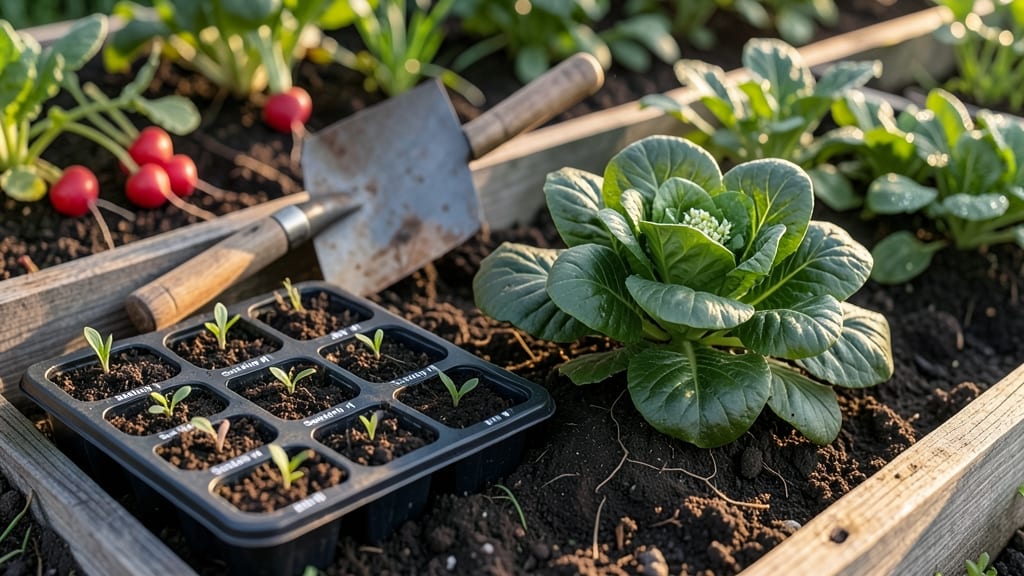
Plant spring vegetables in Zone 7 between mid-February and early April—timing this right means the difference between a bountiful harvest and wasted seeds.
Picture this: you’ve spent weeks preparing your soil, only to watch frost nip your lettuce or your tomatoes bolt before they ripen. That’s why knowing the exact weeks to plant each variety—from peas to peppers—isn’t just helpful, it’s essential for Zone 7 gardeners.
Cool-season crops like spinach and broccoli thrive when planted 4-6 weeks before your last frost date, while warm-season stars like tomatoes need to wait until soil temperatures hit 60°F—usually 2-3 weeks after that final frost.
I’ll break down the precise windows for every common vegetable, plus how to adjust for your specific sub-zone (7a vs. 7b) and regional quirks.
By the end, you’ll have a customized planting schedule that maximizes yield, minimizes waste, and keeps your garden productive from spring through summer. Let’s get those seeds in the ground at the perfect moment!

Zone 7 spring planting calendar: exact weeks for cool-season vegetables
Spring in Zone 7 is your golden window for cool-season vegetables like lettuce, spinach, and peas. But timing matters—plant too early, and frost will nip your seedlings; too late, and you’ll miss peak harvests.
The key is understanding your last frost date (typically around March 15 in Zone 7) and soil temperatures. Most cool-season crops thrive when soil reaches 40-50°F, so start planning now!
For continuous harvests, use succession planting: sow seeds every 2-3 weeks after your initial planting. This ensures a steady supply of fresh greens and brassicas throughout spring and early summer.
Below, I’ve broken down the exact weeks to plant each vegetable, along with soil temperature requirements and spacing tips to avoid overcrowding.
| Vegetable | Planting Window (Zone 7) | Soil Temp (°F) | Spacing (inches) | Days to Harvest |
|---|---|---|---|---|
| Lettuce (Leaf) | Feb 15 - Apr 1 (every 2 weeks) | 40-50°F | 6-12" apart | 30-45 days |
| Spinach | Feb 1 - Mar 15 (every 3 weeks) | 40-55°F | 4-6" apart | 40-50 days |
| Peas (Sugar Snap) | Feb 20 - Mar 15 (direct sow) | 40-70°F | 2-3" apart, rows 18" apart | 60-70 days |
| Broccoli | Mar 1 - Apr 1 (start indoors Feb 1) | 45-55°F | 18-24" apart | 50-70 days |
| Cabbage | Feb 15 - Mar 15 (start indoors Jan 1) | 45-60°F | 18-24" apart | 70-100 days |
| Kale | Feb 1 - Apr 1 (every 3 weeks) | 40-55°F | 12-18" apart | 50-60 days |
Let’s start with lettuce and spinach, two of the fastest-growing cool-season crops. These leafy greens tolerate light frost, so you can plant them as early as mid-February in Zone 7.
For lettuce, aim for soil temperatures above 40°F—any colder, and germination slows dramatically. Use succession planting every 2 weeks until April 1 to enjoy fresh salads all season.
For peas, timing is critical because they thrive in cool soil but struggle in heat. Direct-sow sugar snap peas between February 20 and March 15 for the best results. Peas fix nitrogen in the soil, so they’re a fantastic companion plant for heavy feeders like broccoli and cabbage.
Plant them along a trellis to save space and improve air circulation, reducing the risk of fungal diseases.
Broccoli and cabbage are heavier feeders, so start them indoors 4-6 weeks before your last frost (around January 1 for Zone 7). Transplant seedlings outdoors when soil reaches 45°FMarch 1. These brassicas love full sun and well-draining soil with a pH of 6.0-7.0. Space them 18-24 inches apart to prevent overcrowding, which can lead to disease.
Don’t overlook kale, a hardy green that thrives in cool weather and even tastes sweeter after a light frost. Sow seeds every 3 weeks from February 1 to April 1 for a continuous harvest.
Kale prefers partial shade in hot afternoons, especially in southern Zone 7 where temperatures can spike early. Mulch around the base to retain moisture and keep roots cool.
Pro tip: Use row covers or cold frames to extend your planting window into early February. These protective layers can raise soil temperatures by 5-10°F, giving your seedlings a head start. Just remove covers when daytime temperatures exceed 70°F to avoid overheating.
Finally, monitor your garden’s microclimate. Urban areas in Zone 7 can be 5-10°F warmer than rural spots due to the heat island effect. If your garden is in a hotter pocket, start heat-sensitive crops like spinach slightly later or choose faster-maturing varieties. Always check soil temperature with a soil thermometer—it’s the most accurate way to time your plant
Warm-season vegetables in Zone 7: when to start seeds indoors vs. direct-sow
Warm-season vegetables like tomatoes, peppers, and cucumbers thrive in Zone 7’s heat, but timing your seed-starting and transplanting is critical. Start too early, and seedlings get leggy; too late, and you’ll miss the growing window. Here’s my foolproof schedule to avoid those mistakes and maximize your harvest.
First, calculate your last frost date—typically around March 15 in Zone 7. Warm-season crops need soil temperatures above 60°F to germinate, so wait until 2-3 weeks after your last frost to direct-sow. For indoor starts, begin seeds 6-8 weeks before transplanting to avoid shocking tender seedlings.
Comparison Table: Indoor vs. Direct-Sowing for Warm-Season Crops
| Vegetable | Indoor Start (Weeks Before Transplant) | Direct-Sow (After Last Frost) | Transplant Window |
|---|---|---|---|
| Tomatoes | 6-8 weeks | After soil reaches 60°F | April 15 - May 1 |
| Peppers (Bell, Jalapeño) | 8-10 weeks | After soil reaches 65°F | April 20 - May 10 |
| Cucumbers | 3-4 weeks | After soil reaches 60°F | April 25 - May 15 |
| Green Beans | Not recommended | Direct-sow only | April 10 - May 1 |
For tomatoes and peppers, I always start seeds indoors under grow lights to prevent weak, stretched seedlings. Use biodegradable pots to avoid root disturbance during transplanting.
Harden off seedlings for 7-10 days before moving them outside—place them in a shaded spot for a few hours daily, then gradually increase sun exposure.
When transplanting, bury tomato seedlings deeper than they were in pots—up to the first leaves—to encourage strong root growth. For cucumbers and beans, direct-sow after the soil warms up, spacing seeds 1-2 inches apart and thinning to 12-18 inches apart once they sprout.
Mulch around plants to retain moisture and suppress weeds.
If you’re in Zone 7b (warmer microclimate), you can push transplanting to early April for early varieties. For Zone 7a, wait until mid-April to avoid late frosts. Always check your local frost forecast and adjust accordingly—nothing ruins a garden like a surprise frost!
Pro tip: Use row covers for 1-2 weeks after transplanting to protect young plants from cool nights and pests. And remember, succession planting works for warm-season crops too—sow cucumbers every 2 weeks for a continuous harvest.