
Container Gardens
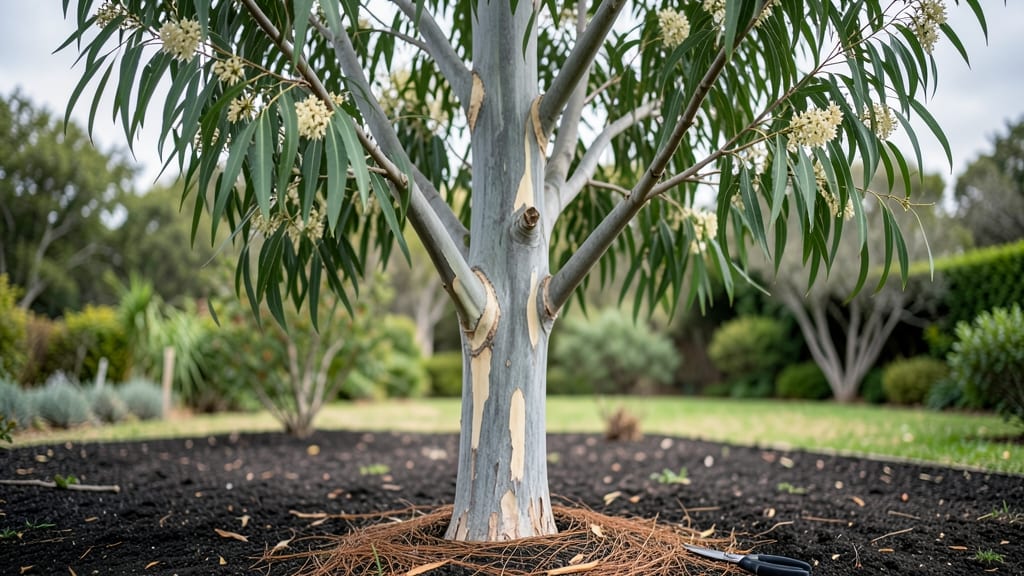
Eucalyptus trees grow best in USDA zones 8 through 11, where they can handle temperatures down to 15°F (-9°C) for most varieties. However, frost-sensitive types like Eucalyptus globulus suffer damage below 25°F (-4°C), while hardy species such as Eucalyptus pauciflora endure down to 5°F (-15°C) in protected areas.
Understanding your local climate is key to selecting the right eucalyptus variety. 🌳 The temperature ranges I mentioned reflect both the species' natural resilience and their adaptability when grown in containers or sheltered microclimates.
For example, Eucalyptus camaldulensis—commonly called river red gum—tolerates brief dips to 20°F (-7°C) but thrives in warmer zones. If you're in zone 7 or colder, consider dwarf varieties or container-grown specimens, which you can move indoors during winter.
What's fascinating is how eucalyptus trees respond to cold stress. Unlike many plants that suffer from frost damage, eucalyptus often shows signs of recovery after a hard freeze, provided the roots stay protected.
I always recommend checking your local frost dates and planting after the last expected frost in spring—this gives young trees a critical head start before winter arrives.
💡 In This Article
- How Cold Tolerance Varies by Eucalyptus Species
- Best Eucalyptus Varieties for Cold Climates
How cold tolerance varies by Eucalyptus species
The cold hardiness of eucalyptus trees isn't one-size-fits-all—it varies dramatically between species due to their native climates. Take Eucalyptus globulus, the iconic blue gum, which evolved in temperate coastal regions of Australia where winters rarely drop below 25°F (-4°C).
Its leaves contain high levels of essential oils that act as natural antifreeze, but prolonged exposure to 15°F (-9°C) causes leaf scorch and stem dieback.
In contrast, Eucalyptus pauciflora (snow gum) thrives in alpine regions where temperatures regularly plummet to 5°F (-15°C), thanks to its thick, waxy bark that insulates the cambium layer.
What's particularly interesting is how these trees respond to cold stress at the cellular level.
When temperatures drop, eucalyptus species produce higher concentrations of proline—a protective amino acid that stabilizes cell membranes and prevents ice crystal formation. 🌿 For example, Eucalyptus camaldulensis (river red gum) can tolerate brief dips to 20°F (-7°C) because its roots remain active in warmer microclimates near water sources, while its above-ground growth slows dramatically.
However, young trees (under 5 years old) are far more vulnerable, often suffering irreversible damage when exposed to 25°F (-4°C) for more than 24 hours.
Microclimate plays a crucial role in extending the cold tolerance of marginal species. A south-facing wall or dense evergreen hedge can create a 5-10°F warmer zone near the trunk, making the difference between survival and death during hard freezes.
Poor soil drainage exacerbates cold damage by keeping roots colder longer—eucalyptus roots need well-draining soil to maintain metabolic activity during winter. In my own garden, I've seen Eucalyptus urnigera (tallowwood) survive 18°F (-8°C) in a sheltered microclimate where it would otherwise succumb to 22°F (-6°C) in exposed conditions.
Visual frost damage signs help identify which species are struggling. Leaf bronzing or blackening typically appears first on globulus varieties, followed by stem cracking if temperatures remain low. Hardier species like Eucalyptus vernicosa (silver dollar gum) may lose leaves but regrow from dormant buds at the base.
The key is monitoring these signs early—once bark splits or the cambium layer freezes, recovery becomes unlikely. For container-grown specimens, moving pots to protected areas during 28°F (-2°C) forecasts can prevent catastrophic damage.
Here's a quick comparison of cold thresholds for common species:
- Eucalyptus globulus: 25°F (-4°C) (frost-sensitive, coastal native)
- Eucalyptus camaldulensis: 20°F (-7°C) (river red gum, moderate tolerance)
- Eucalyptus pauciflora: 5°F (-15°C) (snow gum, alpine native)
- Eucalyptus urnigera: 18°F (-8°C) (tallowwood, intermediate hardiness)
For gardeners in transition zones (like USDA zone 7), selecting species with proven cold adaptation—or using container culture—can make all the difference. The right choice depends on your specific winter patterns and how much protection you can provide. 💫