
Tools
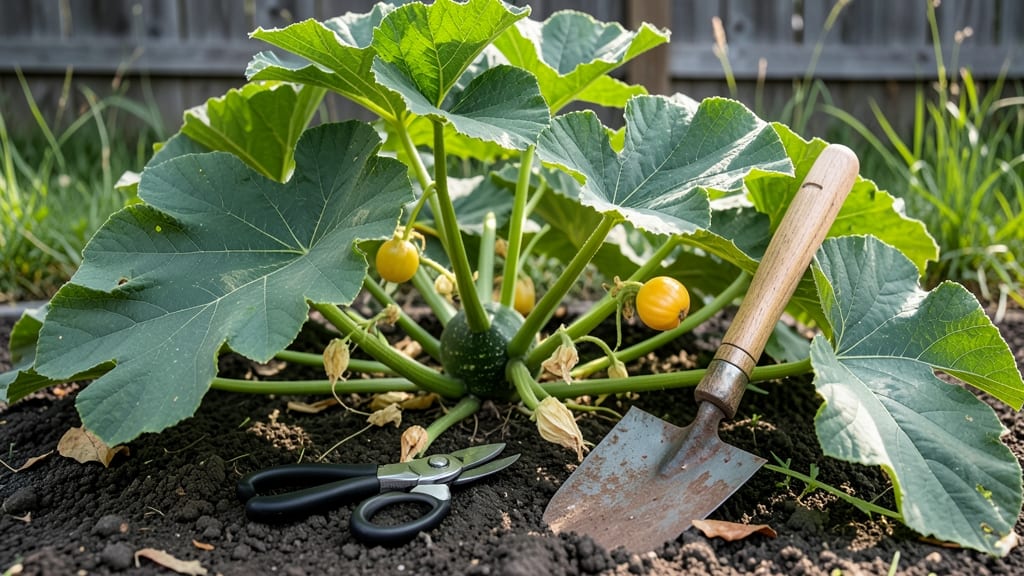
Planting a fall vegetable garden in Zone 8 isn't just possible—it's the secret to a year-round harvest when most gardeners pack up their tools. 🌱 The mild temperatures and fewer pests mean your kale, carrots, and broccoli will thrive when summer crops are fading, and I’ve learned the exact timing and tricks to make it work in small spaces.
The key starts with soil—amend it now with compost to give roots a warm welcome as temperatures dip. Then choose fast-maturing varieties like ‘Winterbor’ kale or ‘Paris Market’ carrots, which handle the cooler weather better than their summer counterparts.
Plant seeds 6-8 weeks before your first frost, and you’ll have a steady supply of fresh veggies through December. By mid-fall, you’ll be harvesting crisp carrots, tender greens, and sweet radishes—all while avoiding the summer’s heat stress and pest pressure. The best part?
These plants often bolt later in the season, giving you extra time to enjoy them before winter sets in. This method works for balconies, raised beds, or even containers—no big backyard required. Let’s get those seeds in the ground before the window closes!
📚 In This Guide
- What you need
- Instructions
- Tips and common mistakes
- Wrapping up and next steps
What you need
- ● High-quality soil: 5–10 bags (2–3 cubic feet each) of well-draining, organic potting mix or compost-enriched garden soil (aim for a pH of 6.0–7.0 for most fall veggies).
- ● Compost: 1–2 cubic yards (or 10–20 bags) to enrich soil with nutrients.
- ● Organic fertilizer: 5–10 lbs of a balanced, slow-release fertilizer (e.g., 10-10-10 or 5-5-5) or compost tea for a natural boost.
- ● Mulch: 2–3 cubic feet of straw, wood chips, or shredded leaves to retain moisture and regulate soil temperature.
- ● Seeds or seedlings: Compact varieties: 50–100 seeds or 10–20 seedlings each of kale, spinach, lettuce, radishes, carrots, beets, Swiss chard, green onions, and bush beans.
- ● Cold-hardy options: 20–30 seeds or 5–10 seedlings each of broccoli, cabbage, Brussels sprouts, and peas.
- ● Hand trowel: 1–2 stainless steel or ergonomic models for planting and weeding.
- ● Garden gloves: 1–2 pairs of durable, breathable gloves (waterproof if working with wet soil).
- ● Pruners: 1 pair of bypass pruners for harvesting and trimming.
- ● Watering can or hose: 1 lightweight watering can (1–2 gallons) or a soaker hose for efficient irrigation.
- ● Raised bed or containers: Raised beds: 1–2 4’x8’ beds (6–12” deep) or window boxes for vertical gardening.
- ● Containers: 5–10 5–10 gallon pots with drainage holes for herbs and small crops.
- ● Row covers or frost cloth: 1–2 4’x6’ lightweight fabric covers to protect tender seedlings from early frosts.
- ● Plant markers: 50–100 biodegradable labels or popsicle sticks to track varieties.
- ● Drip irrigation kit: For automated, water-efficient garden care.
- ● Trellis or stakes: 5–10 bamboo or metal stakes (3–4 ft tall) for climbing plants like peas or pole beans.
- ● Soil test kit: To monitor pH and nutrient levels before planting.
- ● Shade cloth: 1 30–50% shade fabric to protect seedlings from intense afternoon sun.
- ● Wheelbarrow: 1 small, lightweight model for hauling soil and tools.
Step-by-Step instructions for planting a fall vegetable garden in Zone 8
Here's how to maximize your small space for a productive fall harvest—no wasted square foot.
🌱 Step 1: Choose Fast-Maturing, Cold-Tolerant Varieties
Focus on vegetables that thrive in 55-65°F temperatures and mature in 45-60 days. I always pick bush beans, turnips, kale, and spinach—they handle cooler nights better than tomatoes or peppers. Check seed packets for "days to harvest" and select varieties labeled "cool season" or "fall crop."
Skip anything needing full sun all day—your garden gets shorter daylight now. Instead, opt for partial shade-tolerant greens like Swiss chard or lettuce. I plant a mix of leafy greens and root crops to stagger harvests and keep the space productive.
☀️ Step 2: Prepare Beds for Optimal Drainage and Warmth
Clear any summer crops and loosen the soil to 8-10 inches deep with a broadfork. Add 2-3 inches of compost mixed into the top 6 inches—this warms the soil faster in cool weather. Zone 8's fall nights can drop quickly, so I always add a thin layer of straw mulch after planting to insulate roots.
Test your soil's moisture before planting. Stick your finger 1 inch deep—if it feels dry, water lightly. Overwatering now causes rot in cool soil. I like to plant on a cloudy day to reduce transplant shock and let roots establish before evening chill sets in.
🪴 Step 3: Plant in Successive Blocks for Staggered Harvests
Divide your garden into three 3-foot-by-3-foot sections. Plant the first block with fast-maturing varieties (like radishes in 25 days), the second with mid-season crops (turnips in 50 days), and the third with slowest growers (kale in 60 days). This ensures you always have something ready to harvest.
Space plants closer than summer guidelines—2-3 inches apart for greens, 4-6 inches for roots. The cooler temps slow growth, so crowding slightly prevents competition. Water gently after planting to settle soil around roots, then let it dry slightly before watering again.
💧 Step 4: Adjust Watering and Fertilizing for Fall Conditions
Water deeply every 3-4 days until the top 2 inches of soil feel dry. Fall air holds less moisture, so plants need consistent hydration. I water in the morning to prevent evening dampness that invites fungal diseases. Use a soaker hose to deliver water at soil level—this keeps leaves dry and reduces mildew risks.
Fertilize lightly with a balanced 10-10-10 formula at planting, then again when seedlings show first true leaves. Too much nitrogen now causes rapid, tender growth that won't survive light frosts. I switch to a low-nitrogen, high-phosphorus feed (like 5-10-10) for root crops to encourage storage development.
⏰ Step 5: Protect and Extend the Season with Simple Tricks
When nighttime temps drop below 40°F, cover tender greens with floating row covers or lightweight fabric. This adds 5-10°F of warmth without trapping moisture. I stake the covers at the edges to prevent wind damage and remove them during the day for airflow.
Watch for pests like cabbage worms or aphids—cooler weather slows their predators. I spray affected plants with neem oil in the evening to avoid harming bees. Harvest regularly to encourage new growth; overcrowded plants develop bitter flavors and attract pests faster.
Tips & tricks for perfect fall vegetable planting in Zone 8
These game-changing strategies will help you squeeze every ounce of productivity from your compact fall garden—no matter how small the space.
Variety Selection Strategy: Look for seed packets labeled "cool season" or "fall harvest" to guarantee success in Zone 8's 55-65°F range. I always cross-reference the "days to maturity" with my target harvest window—radishes (25 days) and bush beans (45 days) are my go-tos for quick turnarounds. For root crops like turnips (50 days) and kale (60 days), I prioritize varieties with "cold-hardy" labels to extend my harvest window into early winter.
Soil Preparation Secret: The 8-10 inch deep loosening in Step 2 isn't just about roots—it's about creating an insulating layer that maintains warmth during fall's temperature swings. I always mix in my 2-3 inches of compost right after clearing summer crops, then let it sit uncovered for 24 hours to warm up before planting. This pre-warming trick gives seedlings a head start in cooler soil.
Planting Layout Hack: When dividing your space into three 3-foot squares (Step 3), I recommend adding a 6-inch buffer zone between blocks to prevent root competition. This extra space gives you flexibility to rotate crops next season. For the fastest harvests, I plant radishes in the center of each block—they mature quickly and mark where slower-growing crops are performing best.
Fertilizer Timing: The first 10-10-10 application at planting gives your crops an immediate boost, but the second application at "first true leaves" stage is where flavor development really happens. I switch to 5-10-10 for root crops because the higher phosphorus promotes stronger root systems that can better handle fall's temperature fluctuations. Too much nitrogen now creates tender growth that won't survive light frosts.
Pro Tips for Fall Vegetable Garden Zone 8
- These game-changing strategies will help you squeeze every ounce of productivity from your compact fall garden—no matter how small the space.
- Variety Selection Strategy: Look for seed packets labeled "cool season" or "fall harvest" to guarantee success in Zone 8's 55-65°F range.
- Soil Preparation Secret: The 8-10 inch deep loosening in Step 2 isn't just about roots—it's about creating an insulating layer that maintains warmth during fall's temperature swings.
Frequently asked questions
about growing a fall vegetable garden in Zone 8—because even the best-laid plans need a little troubleshooting! Here’s what we hear most (and how to solve it).What are the best fall vegetables for Zone 8 with limited space?
Opt for compact varieties like bush beans, radishes, kale, carrots (short types), lettuce (loose-leaf), and spinach. These thrive in cooler temps and fit well in raised beds, containers, or tight rows. Check our space-saving tools for inspiration!
When should I plant fall crops in Zone 8?
Start 8–10 weeks before your first frost (usually mid-August to early September in Zone 8). Cool-season crops like broccoli and peas need 60–70°F soil—wait until daytime highs drop below 85°F. Use a local frost calendar for precision!
How do I extend my fall harvest if frost hits early?
Use row covers or cold frames to protect tender crops like lettuce and spinach. For root veggies (carrots, beets), mulch heavily with straw to insulate soil. Pro tip: Harvest leafy greens before frost for sweeter flavor—just like grandma used to say!
What pests should I watch for in a Zone 8 fall garden?
Keep an eye out for aphids, cabbage worms, and slugs. Neem oil or diatomaceous earth works well for most pests. Prevent slugs by placing copper tape around beds or using beer traps (yes, really!).
Can I still grow tomatoes or peppers in fall Zone 8?
Tricky! Heirloom varieties (like ‘Cherokee Purple’ tomatoes) might ripen if planted by late July, but most need 90+ days. Swap them for cool-season crops like kale or Brussels sprouts—they’ll reward you with sweet, frost-enhanced flavors!
Wrapping up and next steps
Growing a fall vegetable garden in Zone 8 is all about working with your space and the season’s gifts—cool weather, fewer pests, and nutrient-rich harvests! Whether you’re using containers, raised beds, or a small patch of soil, the key is planning ahead and choosing the right crops for maximum yield.
With the right tools, a little creativity, and a dash of patience, you’ll enjoy fresh, homegrown veggies long after summer fades.
Ready to dive in? Start small—pick one or two crops to test the waters, then expand next season. Grab your gardening gear and let’s get planting! 🌱