
Plants
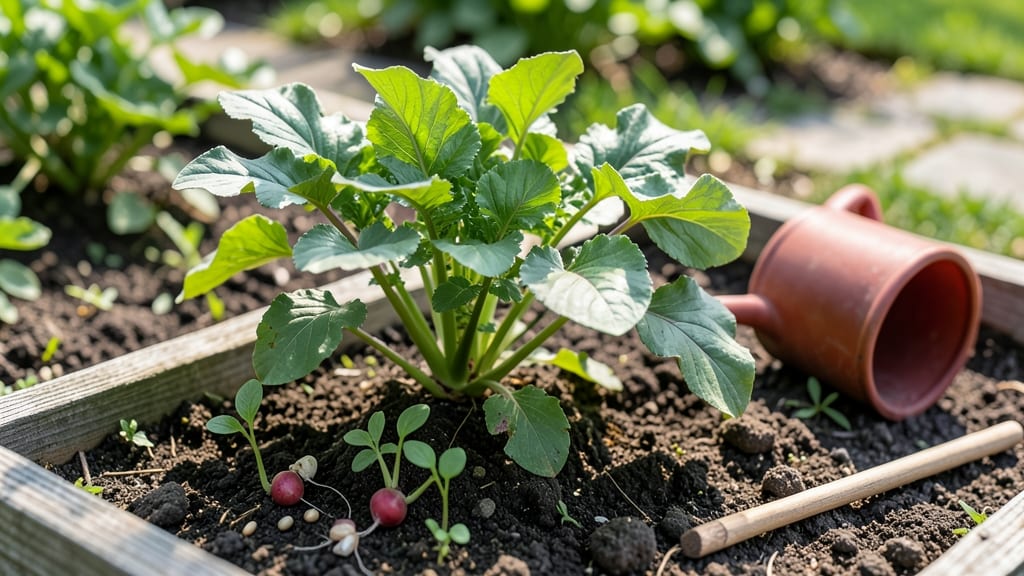
To plant radishes in Zone 7, aim for early spring (March–April) and late summer (August–September) when soil temperatures hover between 45°F and 75°F.
Radishes are one of the fastest-growing vegetables in your garden—ready to harvest in as little as 30 days—but timing is everything. Plant them too early or too late, and you’ll end up with bitter roots or stunted growth.
In Zone 7, the key is avoiding the heat of mid-summer, which can cause radishes to bolt (flower prematurely) or develop woody, tough roots. The ideal window is just after your last frost in spring and before temperatures climb past 75°F in fall.
Below, I’ll break down the exact months to plant for crisp, sweet radishes, how to extend your harvest with succession planting, and the best varieties for Zone 7’s climate.

Best planting months for radishes in Zone 7: fall vs spring timing
Radishes thrive in Zone 7’s cooler temperatures, but timing is critical to avoid bolting (flowering too early) or woody roots. The best windows are early spring (March–April) and late summer to fall (August–September), when soil temps stay between 45°F–75°F.
Plant too early, and frost will stunt growth; too late, and heat will make them bitter.
In Zone 7, your last frost date typically falls around March 15, while the first frost arrives by November 15. This leaves a narrow but perfect window for two planting seasons.
Spring radishes should be in the ground by late February to early April, while fall plantings should start by mid-August to harvest before winter sets in.
| Planting Window | Ideal Soil Temp | Days to Harvest | Key Considerations |
|---|---|---|---|
| Early Spring (Feb–April) | 45°F–65°F | 25–30 days | Avoid frost; use row covers if needed |
| Late Summer/Fall (Aug–Sept) | 50°F–70°F | 20–28 days | Harvest before first frost; choose heat-tolerant varieties |
For spring plantings, start seeds indoors 4–6 weeks before your last frost date if using transplants, but most gardeners prefer direct sowing for faster results. Use black plastic mulch to warm soil quickly in early spring, which helps prevent bolting from cool nights.
In fall, focus on shade cloth during hot afternoons to keep roots crisp.
Zone 7 gardeners often make two common mistakes: planting too early when soil is still cold (below 45°F) or waiting until summer when heat triggers bolting. To avoid these, test soil temperature with a soil thermometer—aim for 50°F–65°F for ideal germination.
If your soil runs hotter, opt for quick-maturing varieties like ‘Cherry Belle’ or ‘Easter Egg’.
Transplanting radishes is not recommended because their roots are delicate. If you must, use small containers and transplant seedlings when they’re 1–2 inches tall, keeping them well-watered to reduce shock.
For direct sowing, space seeds ½ inch deep and 1 inch apart, then thin to 2–3 inches once sprouts emerge. This spacing prevents overcrowding, which leads to small, misshapen roots.
Succession planting is key to continuous harvests. In spring, sow new seeds every 2–3 weeks until early May. For fall, repeat this schedule from mid-August until early October.
This ensures you always have fresh radishes while avoiding the bitter taste that develops when roots mature too long in the heat.
Watch for bolting signs like tall stems and yellowing leaves—this means it’s time to harvest immediately or pull the plants. If you notice woody texture in the roots, you’ve waited too long; radishes should be crisp and tender.
Harvest when roots reach ½–1 inch in diameter, pulling gently to avoid damaging nearby plants.
In Zone 7’s humid summers, mulch with straw to retain moisture and prevent soil-borne diseases. Avoid overhead watering, which can spread fungal issues like black rot. Instead, use a drip irrigation system to deliver water directly to the roots, keeping foliage dry.
This simple adjustment can double your yield by reducing stress on the plants.
Remember, radishes are fast but finicky. With the right timing and care, you’ll enjoy crisp, sweet harvests twice a year in Zone 7—no bitter surprises! Start with the early spring window, then repeat in fall for a bounty that lasts until frost.
How to extend your radish harvest in Zone 7: succession planting guide
If you love fresh, crisp radishes straight from your garden, succession planting is your secret weapon. In Zone 7, where summers can get hot and fall brings early frosts, timing your plantings just right ensures you never run out of these quick-growing roots.
The key is to plant radishes every 2–3 weeks throughout the growing season, starting in early spring and ending in late summer.
Why bother with multiple plantings? Because radishes mature in just 25–35 days, and without succession, you’ll have a feast followed by a famine. By staggering your sowings, you’ll enjoy a steady supply of tender, sweet radishes from spring through fall.
Plus, this method helps prevent bolting (when radishes flower prematurely) and woody roots caused by heat stress.
Here’s your step-by-step succession planting schedule for Zone 7, including spacing, companion plants, and heat-management tips to keep your harvests bountiful all season.
- 📅 Early Spring (March 1–15): Start your first planting as soon as soil temps hit 45°F. Use fast-maturing varieties like ‘Cherry Belle’ (25 days).
- 📅 Every 2 Weeks (March–May): Sow new batches in 1-inch rows, ½ inch deep. Thin to 2–3 inches apart when seedlings emerge.
- ☀️ Late Spring (May–June): Shift to shade-tolerant varieties like ‘French Breakfast’ to avoid bolting in heat. Plant in afternoon shade if temps exceed 75°F.
- 🌿 Companion Plants: Interplant with lettuce, carrots, or spinach to maximize space and deter pests like flea beetles.
- 🌡️ Late Summer (August): For a fall harvest, sow heat-tolerant varieties like ‘Black Spanish’ in partial shade. Water deeply to prevent stress.
- ❄️ Early Fall (September): Final planting should be 6–8 weeks before first frost (aim for early October harvests). Use row covers if frost threatens.
One of the biggest mistakes gardeners make is overcrowding radish seedlings. While they start small, radishes need room to grow—especially their roots. Plant seeds 1 inch apart in rows spaced 12–18 inches apart to allow for easy thinning.
When your seedlings reach 1–2 inches tall, thin them to 2–3 inches apart. This might seem wasteful, but those extra seedlings make great microgreens for salads!
In Zone 7’s heat, radishes can bolt (send up flowers) or develop woody, pungent roots if left too long in the soil. To combat this, harvest early—when roots reach ½–1 inch in diameter.
If you notice leaves yellowing or stems elongating, it’s time to pull and eat what you have and replant a new batch. For late-summer plantings, shade cloth (30–50%) can buy you extra weeks of harvestable radishes.
Don’t forget that radishes are cool-season crops, so they thrive in Zone 7’s mild springs and falls. By following this succession schedule, you’ll enjoy crisp, sweet radishes from early spring through late fall—no grocery store needed!
The secret? Stay consistent with your plantings and keep an eye on the weather. With a little planning, you’ll never have a radish shortage again.