
Trees
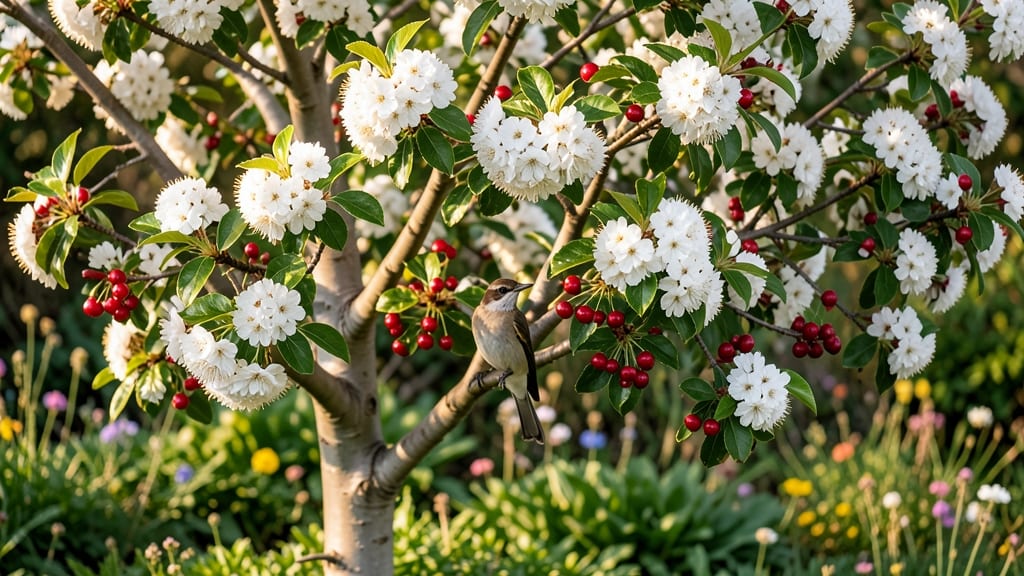
Zone 6 gardeners can enjoy vibrant blooms year after year with these 10 fast-growing flowering trees. From early spring color to late fall interest, these varieties thrive in your climate while attracting pollinators and adding curb appeal.
Cherry Blossom Crabapple Tree
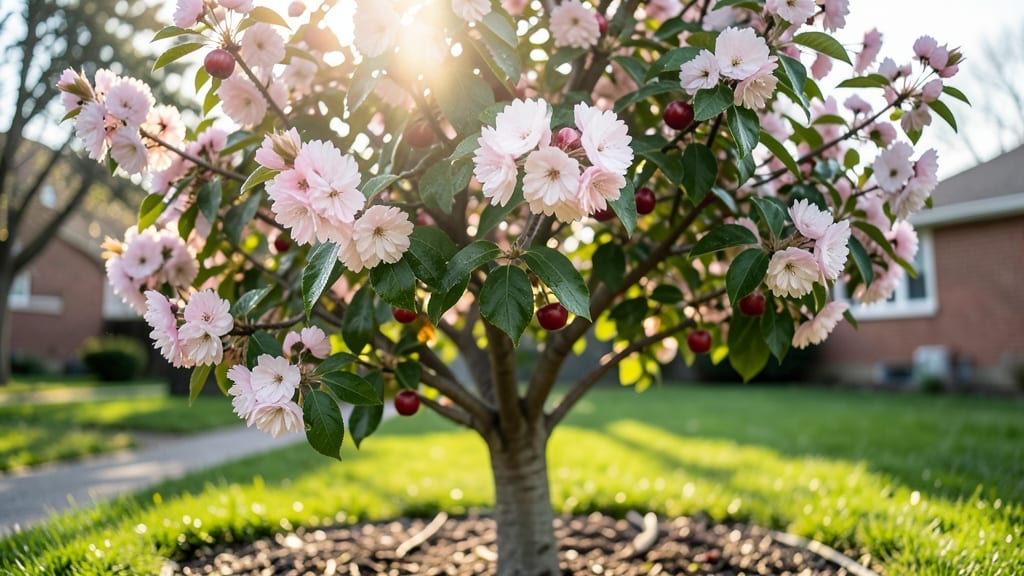
Looking for a tree that brings cherry blossom magic to your small yard without the maintenance of a full-sized orchard? The cherry blossom crabapple tree delivers stunning pink spring blooms and the bonus of edible fruit later—all while resisting diseases that plague other varieties.
This compact tree thrives in Zone 6 climates and works beautifully in tight spaces, with varieties like 'Royal Raindrops' producing abundant flowers and small, tart apples that birds and humans alike will love. Plant it in full sun for best results, and enjoy its four-season interest—from spring blossoms to autumn foliage and winter structure.
Perfect for urban gardeners and small-space enthusiasts, this tree adds Japanese-inspired beauty while requiring minimal care. 🌱
Japanese Snowbell Tree
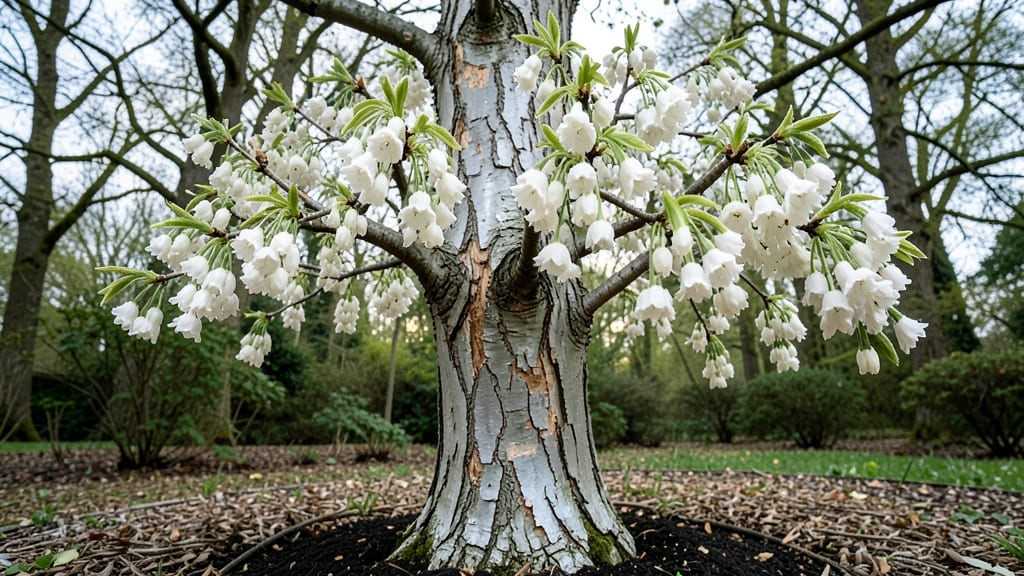
Looking for a fragrant addition to your shade garden that blooms when most trees are still dormant? The Japanese Snowbell Tree (Styrax japonica) delivers a late-spring perfume that fills the air with its delicate white bell-shaped flowers, while its peeling bark adds winter interest as it matures.
This understory tree thrives in partial shade, making it ideal for woodland gardens, foundation plantings, or as a specimen in shaded backyards. Plant it in well-drained soil and water regularly during the first year to establish roots. Once mature, it’s surprisingly drought-tolerant and handles Zone 6 winters with ease.
Perfect for gardeners who want low-maintenance beauty without sacrificing fragrance, this tree also attracts hummingbirds and butterflies. Its graceful form and layered blooms make it a standout in any shady corner. 🌿
Redbud Tree Varieties
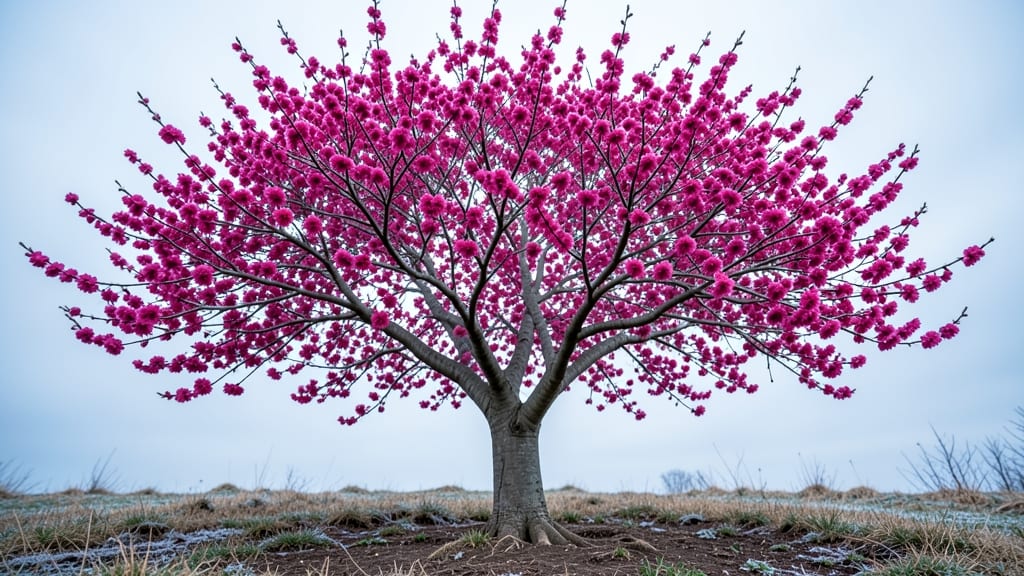
If you're craving early spring color before most trees even think about blooming, redbud trees deliver with their showstopping magenta flowers. These small but mighty trees burst into color in late winter or early spring—often when the ground is still cool and other plants are just waking up.
For urban gardeners, compact varieties like 'Royal White' (with creamy white blooms) or 'Merlot' (deep pink flowers) are perfect choices. They thrive in full sun to partial shade, tolerate poor soil, and mature at just 15-25 feet tall, making them ideal for small yards, patios, or even large containers. Their heart-shaped leaves add lush green foliage later in the season, and some varieties even produce seed pods that add textural interest.
These trees are especially rewarding for first-time tree planters or those with limited space—just give them consistent moisture while establishing, and they'll reward you with years of reliable spring color with minimal fuss. 🌷
Magnolia Soulangeana
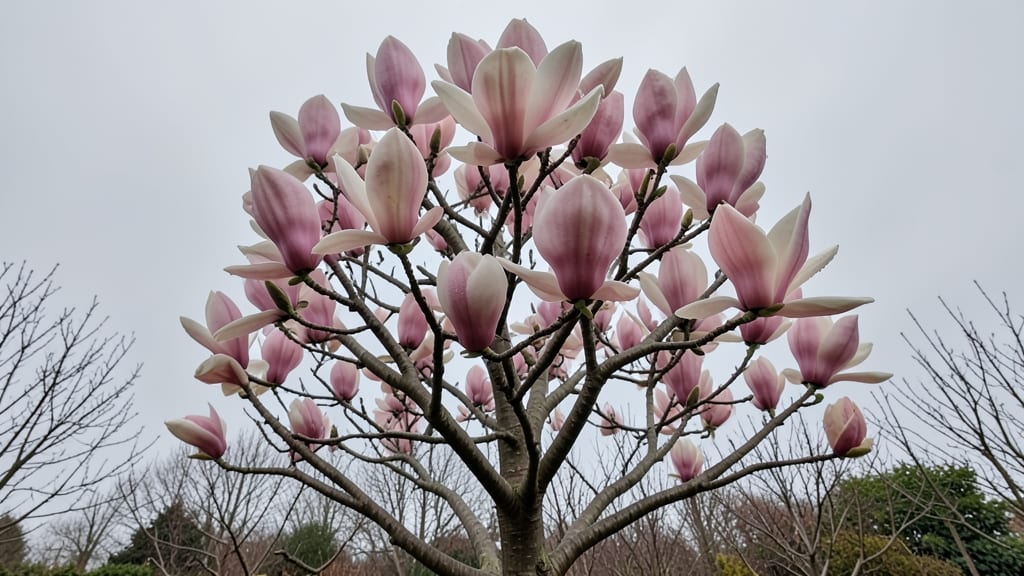
If you love a dramatic spring entrance, Magnolia Soulangeana delivers with its showstopping tulip-shaped blooms in soft pink and white that appear before leaves even emerge. This early bloomer is a standout for gardeners who crave color in late winter or early spring, when most trees are still dormant.
The 'Alexandrine' variety is a top performer in Zone 6, handling cold snaps down to -20°F with ease. Plant it in full sun to partial shade and well-drained soil for the best results. Prune lightly after flowering to maintain shape, but avoid heavy cuts—this magnolia blooms on old wood. Its glossy green leaves add lushness later in the season, making it a year-round star.
Perfect for gardeners who want low-maintenance elegance, this magnolia thrives in both urban and rural settings. Its fragrant blooms also attract pollinators early in the season. 🌷
Serviceberry Tree
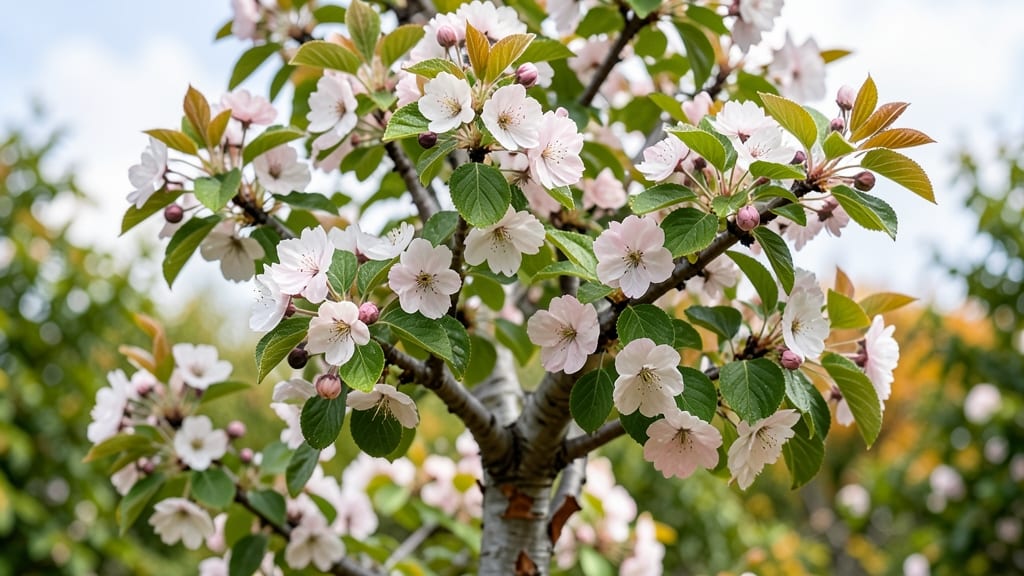
Looking for a flowering tree that delivers color, flavor, and function all in one package? The serviceberry tree (Amelanchier) is your multi-season superstar—packing spring blooms, edible berries, and stunning fall foliage into a single compact tree.
This native beauty thrives in full sun to partial shade and handles Zone 6 winters with ease. Compact varieties like 'June' reach just 15-20 feet tall, making them ideal for small yards or urban gardens. Plant in well-draining soil and water regularly until established, then enjoy white spring flowers, purple berries (great for jams or fresh eating), and golden-orange fall leaves—all while supporting pollinators.
Perfect for gardeners who want low-maintenance beauty with a bonus edible harvest, serviceberry trees are a wildlife magnet too. 🌟
Korean Dogwood Tree
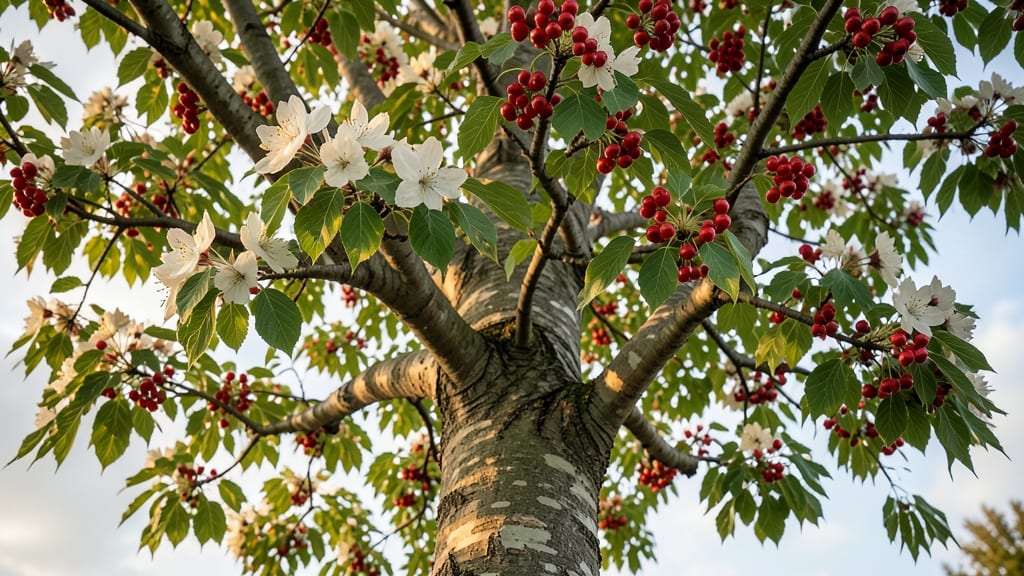
If you love the look of native dogwoods but struggle with their sensitivity to cold or disease, the Korean dogwood (Cornus kousa) is your perfect alternative. This stunning tree delivers showy white bracts in spring that rival its native cousins, followed by clusters of bright red berries in fall—all while handling Zone 6 winters with ease.
Plant it in partial shade to full sun with well-draining, slightly acidic soil for best results. Unlike native dogwoods, this variety thrives in woodland gardens, tolerates urban pollution, and resists common pests. Prune lightly after blooming to maintain its rounded shape, and watch as wildlife flocks to its berries in autumn.
Ideal for gardeners who want year-round interest without the fuss, this tree adds texture and color to shady spots where few others perform. 🌟
Fringe Tree
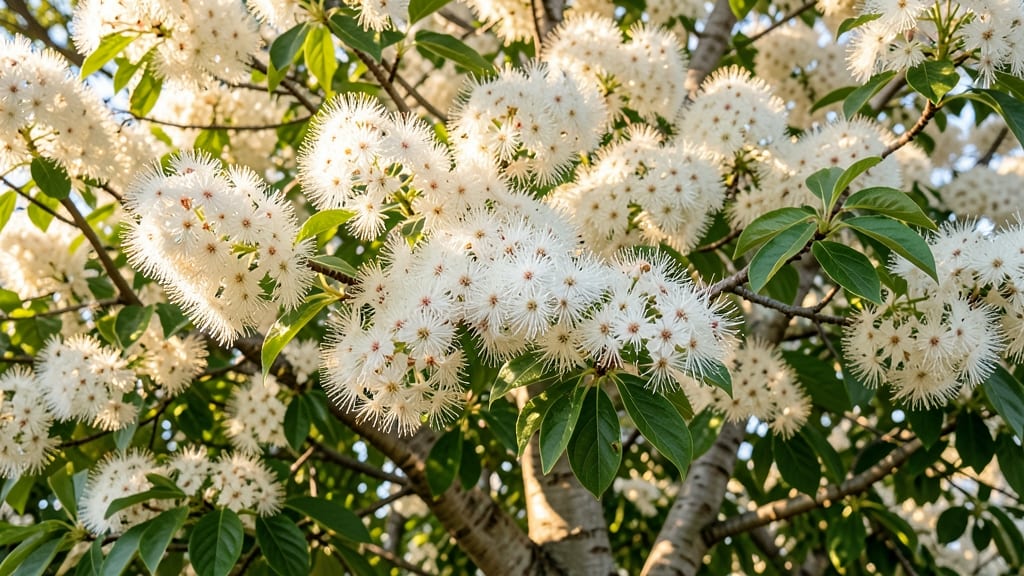
Imagine a tree that transforms your late spring garden into a dreamy, cloud-like spectacle with its white fringe flowers cascading like delicate lace. The fringe tree (Chionanthus virginicus) delivers this ethereal display while growing faster than most flowering trees—reaching maturity in just 3-5 years.
This drought-tolerant beauty thrives in full sun to partial shade and handles Zone 6 winters with ease once established. Its airy blooms attract pollinators while creating a stunning focal point, and its glossy green foliage provides year-round interest. Prune lightly after flowering to maintain its natural, graceful shape.
Perfect for gardeners who want low-maintenance drama with minimal watering needs, fringe trees are ideal for borders, meadows, or as a standalone specimen. 🌟
Bradford Pear Tree
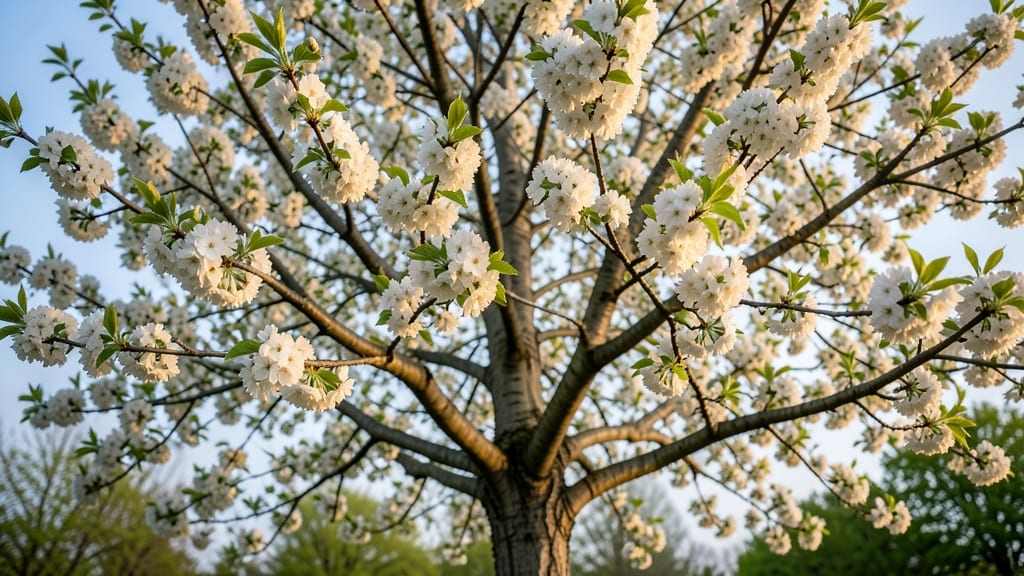
Want a fast-growing tree that transforms your landscape in just a few years? The Bradford Pear Tree delivers abundant white blooms in spring that create a stunning focal point, but here's the key detail: choose improved varieties like 'Aristocrat' to avoid the invasive seedling issues that plagued the original cultivars.
This drought-tolerant tree thrives in full sun and grows 30-50 feet tall, making it perfect for large lawns or as a street tree. The 'Aristocrat' variety produces fewer invasive seedlings while maintaining the classic 4-inch white flower clusters that bloom in late April to early May. Prune in late winter to maintain shape and remove any unwanted suckers.
Ideal for homeowners who want quick curb appeal, Bradford Pear trees also provide year-round interest with their exfoliating bark in winter. Just remember to plant in well-drained soil and give it space to grow—this isn't a tree for small yards! 🌻
Smoke Tree
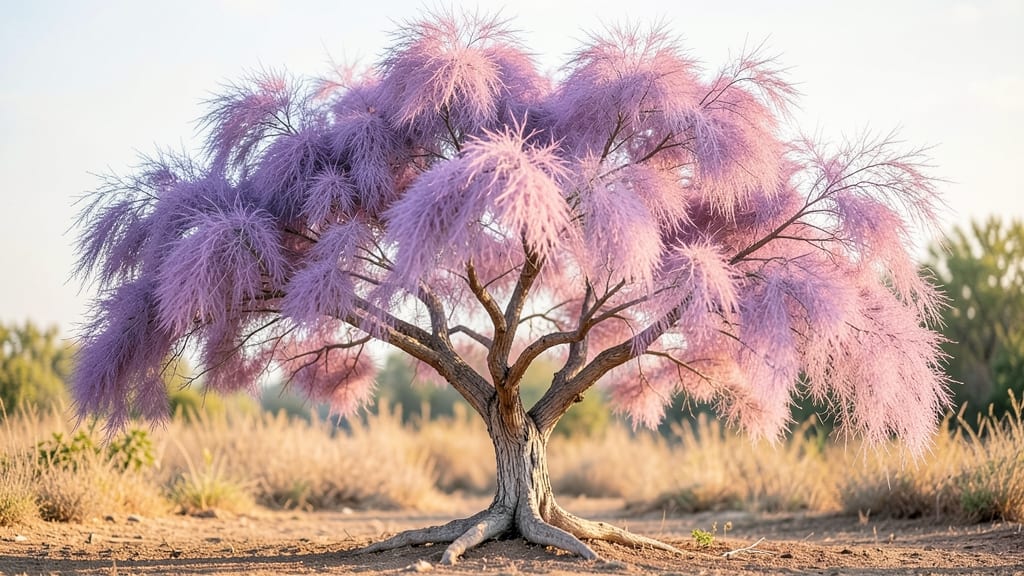
Looking for a drought-tolerant star that thrives in Zone 6’s dry spells? The smoke tree (Cotinus) delivers ethereal purple plumes in spring that fade to soft pink—like a cloud of fairy dust in your garden. Unlike moisture-loving trees, this beauty handles low-water conditions once established, making it ideal for rain-starved landscapes.
Plant it in full sun to partial shade with well-draining soil (it despises soggy roots). Prune lightly after blooming to maintain its airy, multi-stemmed form. The foliage turns gold or purple in fall, adding seasonal drama. Bonus: It’s pest-resistant and attracts pollinators early in the season.
Perfect for urban gardens, rockeries, or as a focal point in dry borders, the smoke tree offers year-round interest with minimal fuss. Even beginners will love its carefree nature. 🌟
Hawthorn Tree Varieties

Want a wildlife-friendly tree that blooms with white spring flowers and feeds birds with bright red berries—without the hassle of thorns? The thornless hawthorn varieties, like the Washington Hawthorn, are your answer. These trees create a natural oasis that supports pollinators, birds, and butterflies while adding structure to your landscape.
Plant Washington Hawthorn in full sun to partial shade and well-drained soil for best results. It thrives in Zone 6 conditions, tolerates drought once established, and handles urban pollution better than many flowering trees. The white blossoms appear in late spring, followed by clusters of red berries that persist into winter, providing food for wildlife. Prune lightly in late winter to maintain shape and encourage new growth.
Perfect for naturalistic gardens, wildlife habitats, and pollinator-friendly landscapes, thornless hawthorns offer year-round interest with minimal maintenance. 🌿