
Size
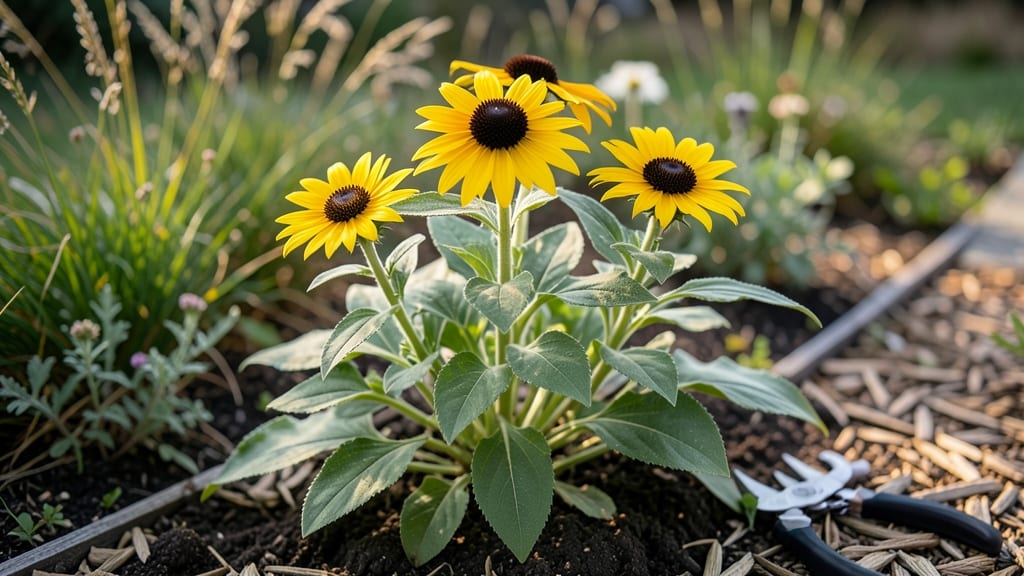
Grow Zone 7 covers areas where winter lows range from 0°F to 10°F (-18°C to -12°C), making it ideal for cold-hardy plants like roses, azaleas, and tomatoes. Your planting schedule should align with subzones (7a vs. 7b) and last frost dates, typically spanning from mid-March through early November.
This zone's temperature range explains why you can grow both tender annuals and hardy perennials successfully. 🌱 The USDA divides it into two subzones: 7a (0°F to 5°F) and 7b (5°F to 10°F), which affects which plants thrive best in your specific microclimate.
For example, peach trees need the warmer 7b winters, while blueberries prefer the cooler 7a conditions. Understanding these distinctions helps you choose the right varieties for your garden's specific conditions.
Your planting calendar should account for both frost dates and soil temperatures. Most cool-season crops like broccoli and spinach can go in the ground as early as late winter, while warm-season plants like peppers and squash wait until after your last frost date—usually around mid-April in most of Zone 7.
Urban gardens may experience slightly warmer microclimates, allowing for earlier planting of heat-loving vegetables.
💡 In This Article
- Understanding Grow Zone 7 Temperature Ranges and Plant Hardiness
- Seasonal Planting Schedule for Grow Zone 7 Gardens
Understanding grow Zone 7 temperature ranges and plant hardiness
The USDA Plant Hardiness Zone Map divides North America into zones based on average annual minimum temperatures, and Zone 7 represents a critical transitional area where both cold-hardy perennials and tender annuals can thrive.
The key distinction between subzones 7a (0°F to 5°F) and 7b (5°F to 10°F) lies in their ability to withstand prolonged cold snaps.
For instance, a 21-day exposure to 0°F in 7a can kill plants rated for Zone 6, while 7b's slightly warmer winters allow for more heat-loving varieties like fig trees or tender roses.
Plant survival hinges on cellular mechanisms: when temperatures drop below -5°C (23°F), plant cells begin freezing, and ice crystals form in intercellular spaces.
Deciduous trees like oaks and maples have evolved antifreeze proteins that lower their cellular freezing point to -40°F (-40°C), while many perennials only tolerate down to 10°F (-12°C).
This explains why azaleas flourish in Zone 7a but may suffer dieback in colder years, while peach trees thrive in 7b's milder winters but risk winter damage in 7a.
Soil temperature plays an equally critical role in spring planting. Most cool-season crops like spinach and kale can handle soil temps as low as 40°F (4°C), but warm-season plants like tomatoes won't germinate until soil reaches 60°F (15°C).
In Zone 7, this typically occurs around mid-April in urban areas but may be 2-3 weeks later in rural zones with colder microclimates. The 10°F difference between subzones translates to about 14 days of growing season difference annually.
Microclimates further complicate these general rules. A south-facing wall can create a 5°F warmer zone than the surrounding area, allowing you to plant heat-loving basil 2 weeks earlier than in open ground. Conversely, low-lying areas collect cold air and may experience 5°F colder minimum temps than elevated spots.
This explains why some Zone 7 gardeners successfully grow citrus trees while others can't—it's not just about the zone, but the specific microclimate within it.
Understanding these temperature thresholds helps explain why some plants thrive while others struggle. For example, blueberries require acidic soil (pH 4.5-5.5) AND the cooler winters of 7a to properly dormant, while figs need 7b's warmth to ripen fruit.
The 5°F difference between subzones creates a 30% difference in winter survival rates for marginal plants like camellias.
To identify your exact subzone, check the USDA map or use a minimum temperature recorder for 3-5 years. Most garden centers in Zone 7 will carry both 7a and 7b varieties, but the difference in winter hardiness can mean the difference between a thriving garden and a disappointing one.
Pay attention to where plants naturally regrow after winter dieback—this gives you visual confirmation of your microclimate's true hardiness.