
Size
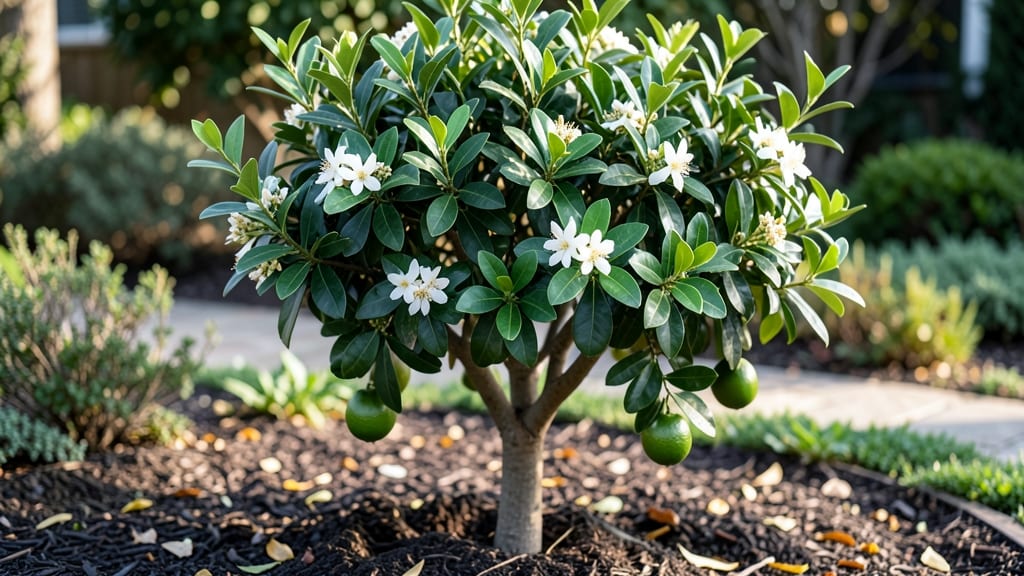
Growing in Zone 9 means selecting cold-hardy plants that thrive in mild winters and hot summers, with ideal varieties like citrus trees, bougainvillea, and snapdragons. Plant cool-season crops in fall/winter and heat-lovers in spring for best results.
Zone 9's warm winters and long growing seasons create a unique challenge: finding plants that handle both heat and occasional chilly snaps. 🌵 The key is matching your garden's microclimate—coastal areas stay milder than inland spots, while well-drained soil prevents root stress during summer heat.
I've seen citrus trees thrive in protected microclimates where they'd otherwise struggle, proving that location matters more than the general zone label.
Your planting strategy should shift with the seasons. Start cool-season crops like lettuce and broccoli in late summer to establish roots before winter, while heat-lovers such as tomatoes and peppers need to go in after your last frost date—typically around February-March in most Zone 9 regions.
Succession planting every 2-3 weeks ensures continuous harvests, which is especially valuable for leafy greens that bolt quickly in spring's warming temperatures.
💡 In This Article
- Understanding Zone 9 Climate and Plant Hardiness
- Zone 9 Planting Calendar for Year-Round Success
Understanding Zone 9 climate and plant hardiness
Zone 9's defining characteristic is its mild winters, where average annual minimum temperatures range between 20°F and 30°F. This means frost events are rare but can still occur, particularly in inland areas where cold air settles.
Coastal regions benefit from moderating ocean breezes, often experiencing 5-10°F warmer nighttime lows than inland locations just 20 miles away. The growing season typically extends from October through May, with some tropical plants even thriving year-round in protected microclimates.
The soil in Zone 9 presents unique challenges: summer heat can bake the topsoil to 120°F or higher, while winter rains create waterlogged conditions in poorly drained areas.
Sandy soils warm up faster in spring but drain too quickly, while clay soils retain moisture but compact easily. 🌡️ The solution often involves amending soil with organic matter to improve water retention and aeration—think 3-4 inches of compost worked into the top 6 inches of soil before planting.
Humidity also plays a role, with coastal areas often experiencing 70-80% relative humidity that can promote fungal diseases in susceptible plants.
Plant hardiness isn't just about cold tolerance—it's about matching a plant's complete environmental needs. For example, citrus trees like Meyer lemons thrive in Zone 9's mild winters but require well-draining soil and protection from 30°F or colder temperatures.
Bougainvillea, another Zone 9 favorite, handles heat beautifully but needs full sun exposure (at least 6-8 hours daily) and drought-tolerant soil to prevent root rot.
The key is observing how your specific microclimate differs from general Zone 9 characteristics—your backyard might be 5°F warmer or cooler than the official zone designation.
Seasonal humidity creates another layer of complexity. Spring in Zone 9 often brings 50-60% relative humidity with occasional afternoon thunderstorms, while summer can see 40% or lower humidity combined with 90°F+ temperatures.
This means plants like snapdragons—native to Mediterranean climates—thrive in Zone 9's dry heat, while tropical hibiscus requires more consistent moisture. 🌿 The solution is often mulching: applying 2-3 inches of organic mulch helps retain soil moisture during summer while preventing temperature extremes that stress plant roots.
What most gardeners overlook is how wind patterns affect plant performance. Coastal Zone 9 areas experience steady ocean breezes that can dry out foliage, while inland regions might have hot, still afternoons that increase evaporation rates.
This is why windbreaks made of native shrubs (like Texas sage) can be just as important as choosing the right plant varieties. The breeze might cool your garden by 5-10°F during summer heatwaves, creating microclimates where heat-sensitive plants like basil can thrive when they'd otherwise struggle.
Understanding these factors helps explain why some plants labeled "Zone 9 hardy" might still struggle in your specific location. For instance, while orange trees can survive 20°F temperatures, they'll produce better fruit when protected from 25°F or colder nights.
The same goes for vegetables: broccoli might survive Zone 9 winters but tastes sweeter when grown in 50-60°F temperatures rather than 70°F+ summer heat. 🌱 Paying attention to these nuances turns Zone 9 gardening from a guessing game into a precise science of matching plants to their ideal microclimates.