
Planting
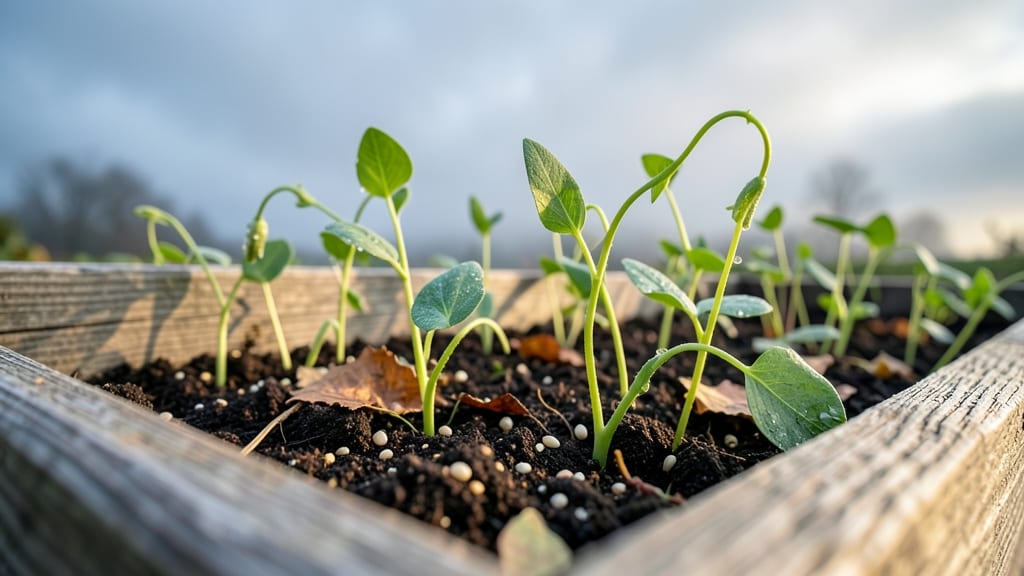
Fall planting in Zone 9A extends your growing season and yields healthier crops. This guide reveals the *exact* months to plant 10 cold-hardy vegetables and herbs—plus pro tips to maximize success before winter.
Broccoli Crowns for Winter Harvest

Want to keep harvesting broccoli long after your neighbors have packed it in? Broccoli crowns are your secret weapon—plant them in September and enjoy regrowth through winter, even in Zone 9A’s mild climate. These hardy cuttings produce multiple harvests from a single plant, making them perfect for small spaces like balconies or raised beds.
Start by selecting purple sprouting broccoli crowns (like 'Purple Sprouting Broccoli') and plant them 12-18 inches apart in well-draining soil with full sun. After the first harvest, the crown will regrow side shoots for 3-4 months of production. Protect from heavy frost with a lightweight row cover if temperatures dip below 25°F.
This method is ideal for urban gardeners with limited space—just 1-2 plants can feed a family for months. Plus, the vibrant purple florets add beauty to your winter garden. 🌱
Garlic Cloves for Next Spring’s Bounty

Skip the spring rush—planting garlic cloves in September gives them time to establish roots before winter, resulting in larger bulbs next spring. This is your secret weapon for a bountiful harvest with minimal effort, especially in Zone 9A’s mild climate.
Choose organic heirloom varieties like 'German White' or 'Silverskin' for natural pest resistance and superior flavor. Break bulbs into individual cloves, plant them 2 inches deep in well-draining soil, and space them 4-6 inches apart. The key? Planting before the ground cools below 60°F—this ensures strong root development before winter dormancy.
This method is perfect for gardeners who want low-maintenance crops that thrive in Zone 9A’s winter conditions. With just a little fall prep, you’ll enjoy plump, flavorful garlic all summer long. 🌱
Leafy Kale for Cold-Weather Salads

Zone 9A gardeners, your October sowings can transform into frost-sweetened kale that’s packed with nutrients and texture. Unlike spring plantings, fall kale develops a richer flavor when exposed to light frosts, making it a standout in winter salads and sautés.
For maximum impact, plant lacinato (dinosaur) kale for its tender, nutrient-dense leaves or curly varieties like ‘Winterbor’ for dramatic texture contrast. Sow seeds directly in well-draining soil with 12-18 inches between plants, and mulch heavily to protect roots from temperature swings. Harvest outer leaves first to encourage continuous growth.
This cold-hardy crop thrives in Zone 9A’s mild winters and is perfect for beginners or urban gardeners with limited space—just a few plants yield enough for family meals. 🌱
Carrot Seeds for Early Spring Pulls

Want crisp, sweet carrots that arrive just as spring greens emerge? Plant carrot seeds in November—this late-season broadcast method yields pencil-thin roots perfect for baby food or snacking, while avoiding the dreaded forking that plagues spring plantings.
Key to success is loose, stone-free soil—work in compost before sowing to create ideal growing conditions. Once seedlings reach 2 inches tall, thin aggressively to 2 inches apart; this prevents competition and encourages straight, slender roots. Varieties like 'Paris Market' or 'Little Finger' are ideal for this technique, maturing in 60-70 days.
This method is perfect for Zone 9A gardeners who want early spring harvests without summer heat stress. The November timing also means you’ll beat spring pests and enjoy fresh carrots before the busy gardening season begins. 🌱
Cilantro for Overwintering Pots

Skip the summer bolting blues—cilantro thrives in Zone 9A pots when planted in September, giving you fresh flavor long after most gardens wind down. The key? Start seeds indoors or transplant young plants before temperatures drop below 60°F at night, which triggers the bitter bolting response.
Use 5-6 inch deep containers with drainage holes and plant cilantro in well-draining potting mix enriched with compost. Keep pots in partial shade (3-4 hours of morning sun) to prevent early bolting, and water consistently—cilantro hates drying out. Harvest outer leaves first, cutting just above a pair of leaves to encourage bushier growth and prevent flowering.
This method works especially well for urban gardeners or those with limited space, delivering year-round cilantro for salsas and soups without the summer setbacks. Just remember: the earlier you harvest, the more flavor you preserve! 🌿
Radish Seeds for Fast Winter Greens

Need a quick harvest to brighten up your fall table? Radishes are the ultimate speedy crop, delivering crisp, vibrant greens in just 25 days when sown in October. This makes them perfect for Zone 9A gardeners eager to enjoy homegrown flavors before winter sets in.
Sow French breakfast radishes for their mild, slightly sweet peppery kick—ideal for salads or garnishes—while daikon radishes offer a larger, milder option perfect for Asian-inspired stir-fries or pickling. Plant seeds ½ inch deep in well-drained soil, spacing them 1 inch apart, and keep the soil consistently moist but not soggy. For continuous harvests, succession plant every 2 weeks until mid-November.
These fast growers thrive in cooler temperatures and are perfect for beginners or small-space gardeners. Plus, their quick turnaround means you can experiment with varieties without long-term commitment. 🌱
Spinach for Frost-Sweetened Leaves

November’s crisp air transforms spinach into a garden treasure—its leaves sweeter after a light frost, packed with nutrients. In Zone 9A, where winters are mild but cool nights arrive, 'Bloomsdale Long Standing' stands out as the champion variety for its heat tolerance and resistance to bolting, ensuring tender leaves even when temperatures fluctuate.
Sow seeds directly into well-draining soil with 1-inch spacing between rows, watering gently to avoid disturbing the delicate seedlings. This variety thrives in partial shade to full sun (6 hours of sun daily) and benefits from a thin layer of mulch to retain moisture and moderate soil temperature. Harvest outer leaves first to encourage continuous growth, and expect a harvest window of 4-6 weeks before winter slows production.
Perfect for gardeners who want a low-maintenance, nutrient-rich crop that bridges fall and early winter, spinach also fits beautifully into container gardens or raised beds. Its ability to handle light frost makes it a reliable choice for Zone 9A’s unpredictable autumn weather. 🌱
Onion Sets for Spring Scallions

Skip the spring rush and plant onion sets in October for a head start on fresh scallions—they’ll regrow reliably through Zone 9A’s mild winters. This trick turns dormant bulbs into tender green harvests by late winter, giving you a jump on spring cooking.
Choose yellow or red onion sets for the best regrowth potential; these varieties handle cooler temps better than white. Plant them 1 inch deep, 4 inches apart, in well-draining soil enriched with compost. With minimal care—just occasional watering—they’ll send up lush, flavorful shoots perfect for stir-fries, soups, or garnishes.
This method is ideal for gardeners who want year-round greens with almost no effort. Even beginners can master it, making it a foolproof way to enjoy homegrown scallions long before spring planting season. 🌱
Dill Seeds for Pollinators and Pickles

September’s warm days and cool nights create the perfect window for planting dill seeds—not just for your homemade pickles, but as a magnet for pollinators. This dual-purpose herb thrives in Zone 9A’s mild fall climate, offering both culinary rewards and ecological benefits.
Sow seeds directly in well-drained soil with full sun exposure (6+ hours daily), spacing them 12-18 inches apart. For pollinator support, let some plants flower and go to seed—this provides food for bees and butterflies while ensuring next year’s natural propagation. Harvest leaves for pickles by snipping outer stems, leaving the center to flower if you want to support wildlife.
This low-maintenance herb is ideal for container gardeners or small spaces, offering year-round benefits whether you’re preserving summer’s bounty or nurturing local ecosystems. 🌻
Peas for Early Spring Harvests

Plant peas in November to outsmart Zone 9A’s mild winter—these cool-season stars thrive when temperatures dip but don’t freeze. Unlike spring plantings that race against heat, fall-sown peas develop strong roots over winter and burst into early spring harvests, often 6-8 weeks ahead of traditional schedules.
Choose sugar snap peas for crunchy, edible pods straight from the vine, or snow peas for flat pods perfect in stir-fries. Plant seeds 1 inch deep in well-drained soil with a trellis or stakes (even dwarf varieties benefit from support). In Zone 9A, aim for varieties like 'Sugar Sprint' or 'Oregon Sugar Pod'—both tolerate light frost and produce abundantly before summer’s heat arrives.
This strategy is ideal for gardeners who want year-round harvests with minimal effort. Plus, peas fix nitrogen in the soil, leaving your beds richer for next season’s crops. 🌱