
Container Gardens
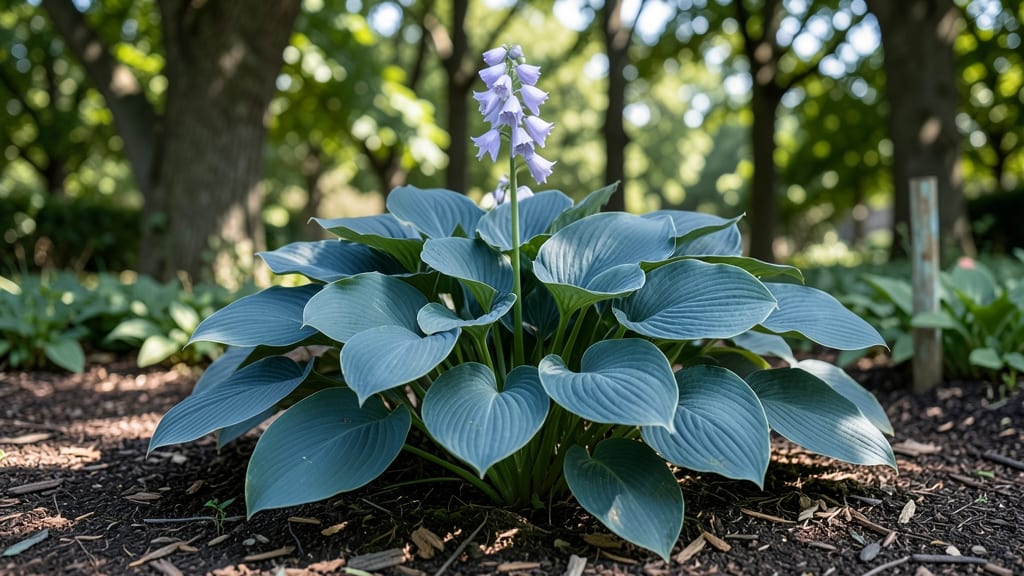
Growing in Zone 5 requires choosing resilient plants that survive winter lows of -15°F to -20°F (-26°C to -29°C) and aligning planting with frost dates, usually mid-April to late May for annuals and perennials. Prioritize cold-tolerant options like kale, peonies, and maples for consistent results.
Zone 5's chilly winters demand smart planning—think of it as a marathon, not a sprint. 🌱 The key is matching plants to your area's last frost date, which can vary by 1-2 weeks even within the same zone.
For example, while kale thrives in cooler weather, tomatoes need warmer soil to germinate, so I always start them indoors in early March. This approach maximizes your growing season while protecting delicate plants from unexpected late frosts.
What sets Zone 5 apart is the need for cold stratification with many seeds—this mimics winter conditions to break dormancy. For instance, planting peony bulbs in fall ensures they'll bloom reliably the following spring.
The right timing isn't just about when to plant; it's about understanding how each plant responds to temperature shifts. This knowledge turns your garden into a year-round success story, even when winter's still lurking.
💡 In This Article
- Understanding Zone 5 Climate and Plant Hardiness Basics
- Zone 5 Planting Calendar: When to Start Seeds Indoors vs. Direct Sowing
Understanding Zone 5 climate and plant hardiness basics
Zone 5's defining feature is its average annual minimum temperature of -15°F to -20°F (-26°C to -29°C), which shapes what can survive there. This range means plants must endure prolonged cold snaps where temperatures can drop 20-30°F colder than the average minimum.
For comparison, Zone 4's minimum is -20°F to -30°F (-29°C to -34°C), while Zone 6 sits at 0°F to -10°F (-18°C to -23°C). The difference isn't just numbers—it's about how plants handle extended sub-zero exposure and rapid temperature swings between day and night.
The frost-free growing season in Zone 5 typically spans 140-180 days, depending on location.
This shorter window demands strategic planning: cool-season crops like spinach and broccoli can handle light frosts and often thrive in early spring or fall, while warm-season plants like peppers and eggplants need the full heat of summer. Cold stratification—a process where seeds experience cold, moist conditions—mimics winter's natural dormancy cycle.
For example, planting peony bulbs in October-November ensures they'll bloom reliably the following spring, as the cold period breaks their dormancy.
What most gardeners overlook is how soil temperature affects planting success. Seeds won't germinate until soil reaches 40°F (4°C) for cool crops or 60°F (16°C) for warm crops.
Using a soil thermometer helps avoid planting too early—something I learned the hard way with a failed tomato batch in chilly April soil! The right plant choices also depend on whether you're dealing with microclimates, like a south-facing wall that warms up faster than the rest of your yard.
Hardiness isn't just about survival—it's about performance. A plant might survive Zone 5 winters but produce poorly if stressed. For instance, while Russian kale thrives in cold with sweet, tender leaves, butterhead lettuce bolts (goes to seed) quickly when temperatures rise above 75°F (24°C).
This is why I always pair cold-hardy varieties with season extenders, like row covers or cold frames, to give plants the best chance to thrive through the entire growing season.
Consider these key factors when selecting plants:
- Perennials: Choose established plants like coneflowers or black-eyed Susans, which return yearly and handle Zone 5 winters with ease
- Vegetables: Prioritize kale, Swiss chard, and cabbage for cool weather, then transition to tomatoes and peppers once soil warms
- Trees/Shrubs: Opt for maples, serviceberries, and lilacs, which not only survive but often thrive in Zone 5's climate
The boundary between Zone 4 and Zone 6 is often just 50-100 miles apart, meaning microclimates play a huge role. A hilltop might experience 5°F colder nights than a valley, while a body of water can moderate temperatures.
This is why local frost records are more valuable than zone averages—knowing your last spring frost (typically April 15-May 1) and first fall frost (usually October 10-20) lets you fine-tune planting times for maximum success.