
Plants
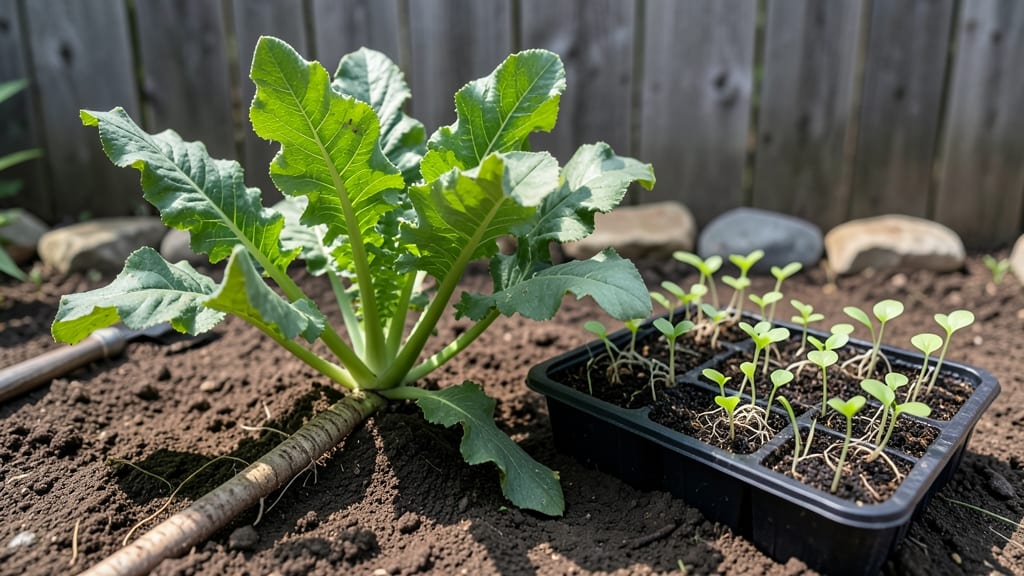
Plant radishes in Zone 6 when soil temps hit 40°F in early spring or late summer, about 6-8 weeks before frost—this is the secret to crisp, fast harvests.
Radishes are one of the fastest-growing vegetables in your garden—but timing is everything in Zone 6. Plant too early, and frost will ruin your crop; too late, and you’ll miss the sweet, crisp harvest window.
In Zone 6, your best bets are early spring (March-April) or late summer (August-September), when soil stays warm enough to avoid pithy, bitter roots. I’ve grown three successful batches in a single season by spacing plantings 2-3 weeks apart—here’s how to do it.
You’ll learn the exact soil temperature ranges to watch for, how to adjust for microclimates, and the 30-day harvest tricks that keep your table stocked all season long.

Zone 6 radish planting calendar: exact soil temps & frost dates
Timing your radish planting in Zone 6 isn’t just about avoiding frost—it’s about hitting the 40°F–85°F soil temperature sweet spot for germination and growth. Too cold, and seeds rot; too hot, and they bolt prematurely.
My Zone 6 garden thrives with radishes planted in three key windows: early spring, late summer, and fall. Let’s break down the exact dates and soil conditions to maximize your 30-day harvest.
First, grab a soil thermometer—it’s your secret weapon. Radish seeds need soil temps between 40°F–50°F to sprout reliably. In Zone 6, this typically aligns with mid-March to early April for spring plantings, but your local microclimate can shift these dates by 1–2 weeks.
For example, if you’re in Zone 6a (colder end), aim for late March; in Zone 6b (warmer), early March works. The goal? Sow seeds 2–3 weeks before your last frost date—usually mid-April in most of Zone 6.
| Planting Window | Soil Temp Range | Frost Considerations | Best Varieties |
|---|---|---|---|
| Early Spring | 40°F–50°F | 2–3 weeks before last frost (mid-March–early April) | Cherry Belle, Easter Egg |
| Late Summer | 60°F–70°F | 6–8 weeks before first frost (late July–early August) | French Breakfast, White Icicle |
| Fall | 50°F–60°F | 8–10 weeks before first frost (early September) | Winter Bocking, Black Spanish |
Don’t overlook late summer plantings—this is my favorite trick for a second harvest. Aim for 60°F–70°F soil temps (late July to early August) to avoid the bolting that hits when temps climb above 80°F.
Choose heat-tolerant varieties like French Breakfast or White Icicle, and plant in partial shade if your afternoons are scorching. In Zone 6, this window gives you radishes ready by September, just as cooler weather rolls in.
Fall plantings are all about extending your season. Target 50°F–60°F soil temps in early September for a harvest before the first frost (mid-October). Varieties like Winter Bocking and Black Spanish handle cooler temps better, but watch for early frosts.
If temps dip below 40°F at night, cover seedlings with row fabric or a cold frame to protect them. Pro tip: Sow a final batch in late August for a Christmas harvest—they’ll stay crisp in the ground until then!
Here’s how I use a soil thermometer for precision: Stick it 2 inches deep (where radish seeds will be) and check temps morning and evening. If it’s below 40°F, wait—radishes won’t germinate. If it’s above 85°F, they’ll bolt.
My Zone 6 garden hits this range reliably in March, April, and September, but your mileage may vary. For example, if you’re in western Zone 6 (like Colorado), soil warms faster than in eastern Zone 6 (like Pennsylvania). Adjust accordingly!
One common mistake? Planting radishes too early in cold, wet soil. Seeds rot when soil temps are below 40°F, even if the air feels warm. To test readiness, press your finger into the soil—if it’s easy to push 2 inches deep and not icy, it’s time to plant.
Another trick: Use black plastic mulch in early spring to warm the soil 5–10°F faster and get a jump on the season. Just remove it once seeds sprout to avoid overheating.
For continuous harvests, stagger plantings every 2–3 weeks within each window. For example, in spring, sow a batch in mid-March, another in late March, and a final one in early April. This ensures you’re always pulling crisp radishes from April through June.
Repeat the process in fall for a September–October harvest. Just remember: Never let radishes linger in the soil beyond 30–40 days—they’ll turn pithy and tough.
If you’re new to Zone 6 gardening, start with Cherry Belle or Easter Egg radishes—they’re fast-growing and forgiving. For adventurous gardeners, try Daikon or Black Spanish for unique flavors and
30-Day harvest tricks: how to time radish successions for continuous yields
Radishes thrive on speed, but their 30-day harvest window means timing your plantings is the secret to a steady supply. In Zone 6, you can stretch your harvest season by sowing new batches every 2-3 weeks.
This method ensures you always have fresh, crisp radishes while avoiding the bitter, pithy results of overgrown roots.
Start your first succession planting as soon as the soil reaches 40°F—typically mid-March in most of Zone 6. Then, continue planting every 2 weeks until late summer. For fall harvests, your last planting should go in 6-8 weeks before your first frost (around early September in Zone 6).
This staggered approach guarantees a continuous harvest from spring through fall.
📅 Zone 6 Radish Succession Planting Schedule
- Mid-March: First planting when soil hits 40°F (use a soil thermometer)
- Every 2 Weeks: Sow new batches until late July (stop 8 weeks before first frost)
- Early September: Final fall planting for October harvests (6-8 weeks before frost)
- Spacing Tip: Plant 1 inch apart in rows 12-18 inches apart for easy thinning
- Companion Plants: Interplant with lettuce or carrots to maximize space and deter pests
Proper spacing and thinning are crucial for radish successions. Sow seeds ½ inch deep and 1 inch apart—this gives you room to thin seedlings to 2-3 inches apart once they sprout.
Thinning prevents overcrowding, which leads to small, misshapen radishes or bolting (flowering too soon). Use sharp scissors to snip unwanted seedlings at soil level to avoid disturbing roots.
To prevent bolting in hot weather, choose heat-tolerant varieties like 'Cherry Belle' or 'French Breakfast' and provide afternoon shade during summer months. Mulch with straw to keep soil cool and moist, which slows down the plant's urge to bolt.
If you notice radishes flowering prematurely, harvest them immediately—they’ll still be edible, though slightly bitter.
Companion planting can boost your radish yields while keeping pests at bay. Pair radishes with lettuce, spinach, or carrots—these plants share similar growing conditions and help each other thrive.
Avoid planting near cabbage-family plants, as they compete for nutrients. A well-planned succession garden with these companions will give you a continuous harvest with minimal effort.
Mark your planting dates on a garden calendar to stay organized. Use biodegradable plant markers to track each batch’s 30-day harvest window. This system ensures you’re always harvesting one batch while another is growing, creating a seamless supply of fresh radishes from spring through fall.
With this method, you’ll enjoy crisp, sweet radishes for months without the risk of wasting overgrown crops.