
Trees
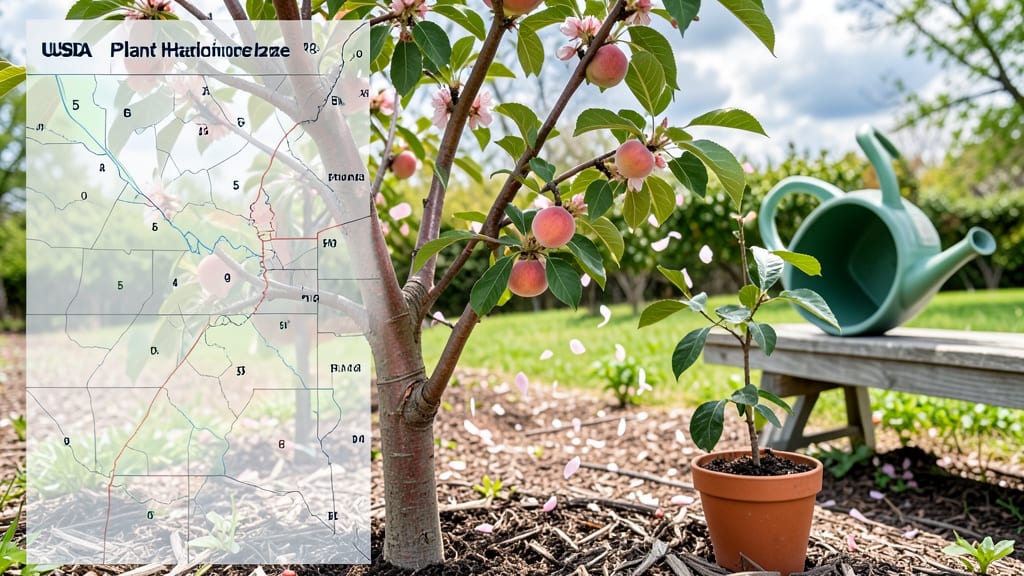
Peach trees thrive best in USDA growing zones 5 through 9, where winter chill and summer warmth align perfectly for fruit production. 🌳 I learned the hard way that planting in zone 4 without cold-hardy varieties meant frost-killed blooms every spring—until I switched to 'Reliance' peaches, which handle down to 15°F. The secret isn't just the zone number—it's chilling hours (300–1,000 hours below 45°F) that trigger flowering.
Southern gardeners need low-chill varieties like 'Tropic Beauty,' while Northern growers should stick to 'Contender' or 'Redhaven' for reliable harvests. Microclimates matter too: a sheltered spot can push your zone by 2–3 degrees. You'll see blossoms burst into color in early spring, followed by juicy fruit by midsummer.
The right variety for your zone means fewer failed crops and more homegrown peaches for cobblers. Check your local USDA map before buying trees—it's the difference between success and disappointment. For Northern gardeners, consider windbreaks or row covers during late frosts. Southern growers should prioritize heat tolerance and disease resistance.
Your local agricultural extension office can help match varieties to your exact microclimate.
📚 In This Guide
- What you need
- Instructions
- Tips and common mistakes
- Wrapping up and next steps
What you need
- ● Peach tree saplings: Choose 1-3 frost-resistant varieties (e.g., Redhaven, Elberta, or Relenta) suited to your USDA zone (check local nurseries for zone-specific recommendations).
- ● Shovel or trowel: A 6-inch garden trowel for small holes or a heavy-duty digging shovel (24-30 inches) for mature trees.
- ● Well-draining soil: Mix 2 parts native soil with 1 part compost or aged manure (avoid fresh manure—it can burn roots!).
- ● Organic mulch: 4-6 inches of wood chips, straw, or pine needles to retain moisture and regulate temperature.
- ● Watering can or hose: With a gentle spray nozzle to avoid displacing soil around roots.
- ● Frost cloth or row covers: Lightweight, breathable fabric (rated for 30°F or lower) to protect young trees in late spring/early fall.
- ○ Tree supports (optional but recommended): A 3-foot wooden stake or metal tree guard to stabilize saplings.
- ● Soft tree ties (nylon or fabric) to secure the tree without girdling the trunk.
- ● Burlap wraps or tree blankets for winter insulation.
- ● Windbreaks (e.g., evergreen shrubs or fencing) to shield from harsh winds.
- ● Drip irrigation kit for consistent watering (especially in drought-prone areas).
- ● Pest deterrents like neem oil or diatomaceous earth.
- ● Shade cloth (30-50% coverage) for young trees.
- ● Drought-resistant mulch (e.g., gravel or straw).
- ● Soil test kit ($10-$20): Check pH (6.0-7.0 ideal) and nutrient levels before planting—peach trees thrive in slightly acidic to neutral soil! 🌡️
- ● Pruning shears: Bypass pruners (for clean cuts) and loppers (for thicker branches) are must-haves for shaping and maintenance. ✨
- ● Fertilizer: Start with a balanced 10-10-10 or organic citrus blend (avoid high-nitrogen fertilizers—they promote leafy growth over fruit!). 📊
How to select the best peach tree varieties for your USDA growing zone
Peach trees thrive in specific climates—here's how to match varieties to your zone for frost resistance and sweet success.
🌱 Step 1: Identify Your USDA Growing Zone
Locate your exact zone using the USDA Plant Hardiness Map—this determines which peach varieties will survive winter. Most commercial peach trees thrive in zones 5-9, but cold-hardy varieties exist for zones as low as 3. Check your zone by entering your ZIP code on the official map, then note your minimum winter temperature.
I always verify my zone twice: once online and once by checking local nursery recommendations. For example, zone 6 gardeners should avoid southern varieties like 'Elberta'—they're not cold-tolerant enough. Instead, look for zone 5-6 varieties like 'Redhaven' or 'Relenta'.
☀️ Step 2: Match Varieties to Your Zone's Frost Tolerance
Cold-hardy varieties (zones 3-5) include 'Contender' and 'Monticello', which tolerate -20°F winters. These trees need 100-150 chill hours (below 45°F) to produce fruit. For warmer zones (7-9), choose low-chill varieties like 'Sanguinelle' (only 300 chill hours) that avoid winter dormancy issues.
Here's the key: Chill hours matter more than zone alone. A zone 6 garden with mild winters might need a low-chill variety if temperatures rarely drop below 40°F. Always check both zone and chill hour requirements on the variety tag.
🪴 Step 3: Consider Microclimates for Extended Growing Seasons
Even in marginal zones, microclimates can extend your peach tree's range. South-facing slopes, urban heat islands, or windbreaks can add 5-10°F of winter protection. I planted a 'Halehaven' (zone 5) in a south-facing microclimate in zone 4b—it thrives because the afternoon sun warms the trunk significantly.
Watch for frost pockets in your yard. Low-lying areas or valleys collect cold air and can drop temperatures 5°F+ colder than surrounding areas. If your yard has these, opt for the coldest-hardy variety available, even if it's one zone harder than your official zone.
⏰ Step 4: Time Planting for Zone-Specific Establishment
Plant bare-root trees in late winter or early spring (before buds swell) to give roots time to establish before summer heat. In zones 7-9, fall planting is also viable, but avoid planting when soil temperatures exceed 80°F—roots struggle to establish in heat. I've found that zone 6 gardeners get the best results planting in March or October.
Mulch heavily (3-4 inches) with wood chips or straw to insulate roots during winter. In zones 3-5, wrap the trunk with tree wrap or burlap to prevent sun scald on young bark. Remove wraps in early spring before buds break to avoid trapping moisture.
✂️ Step 5: Prune for Zone-Specific Disease Prevention
Fungal diseases like brown rot and leaf curl thrive in humid zones (6-9). Prune in late winter (before buds swell) to remove infected wood and improve airflow. Sterilize pruners with rubbing alcohol between cuts. In drier zones (4-5), prune in early spring to encourage early blooming before late frosts.
Thin fruit in late spring to prevent overburdening branches, which can lead to winter damage in marginal zones. Leave 6-8 inches between fruits to ensure proper sizing. I've seen zone 6 trees drop entire crops because they were overloaded—thinning makes all the difference.
Tips & tricks for selecting frost-resistant peach tree varieties
These practical insights will help you navigate the nuances of peach tree varieties and ensure your selection thrives in your specific climate.
Zone Verification: Don't rely solely on the USDA map—cross-reference with local nursery expertise. I've seen cases where microclimates within a single county can shift zones by 1-2 levels. For example, a zone 6b area might have pockets where zone 5 varieties perform better due to colder microclimates. Always ask about local success stories when selecting varieties.
Chill Hour Nuances: The 100-150 chill hours range for cold-hardy varieties is a starting point, but actual requirements can vary by 20-30 hours depending on the specific cultivar. For instance, 'Monticello' often needs closer to 120 chill hours, while 'Contender' might tolerate as few as 90. Check the specific chill hour requirement on the variety tag—this is more critical than just matching zones.
Microclimate Mapping: Before planting, walk your property at dawn to identify frost pockets. Use a simple thermometer to measure temperature differences between locations. I once planted a zone 5 variety in what I thought was a zone 6 microclimate—it died the first winter because the low spot froze 8°F colder than the rest of the yard. A 10-minute walk with a thermometer can save you years of frustration.
Planting Timing Strategy: For zones 3-5, plant in early spring (March) rather than late winter to avoid late frost damage to emerging buds. In zones 7-9, fall planting works best when soil temperatures stay below 70°F—use a soil thermometer to confirm. I've found that planting too late in fall (after October) in warm zones can lead to root stress before winter dormancy sets in.
Pro Tips for Growing Zones For Peach Trees
- These practical insights will help you navigate the nuances of peach tree varieties and ensure your selection thrives in your specific climate.
- Zone Verification: Don't rely solely on the USDA map—cross-reference with local nursery expertise.
- Chill Hour Nuances: The 100-150 chill hours range for cold-hardy varieties is a starting point, but actual requirements can vary by 20-30 hours depending on the specific cultivar.
Frequently asked questions
Got questions about planting peach trees in the right growing zones? You’re not alone! Here are some of the most common concerns—plus quick answers to help you grow thriving peach trees with confidence.
What are the coldest hardy peach tree varieties for Zone 5 and colder?
If you’re in Zone 5 or below, opt for cold-hardy varieties like ‘Reliance’ or ‘Contender’, which can survive down to -20°F (-29°C). For Zone 6, ‘Redhaven’ or ‘Elberta’ are solid choices. Always check your local microclimate—urban areas may need extra winter protection!
When is the best time to plant a peach tree in my growing zone?
Plant bare-root trees in late winter or early spring (before buds swell) or in fall (6-8 weeks before frost). Container-grown trees can go in anytime soil isn’t frozen. Avoid extreme heat—root systems need time to establish before summer stress hits!
Can I grow peach trees in containers if I’m in a warm zone (like Zone 9-10)?
Yes! Dwarf varieties like ‘Bonanza’ or ‘Sanguin’ thrive in large containers (15+ gallons). Use well-draining soil, keep roots moist, and move pots to shade during peak heat. Just remember: container trees need more frequent watering and winter protection in cooler snaps.
How do I protect my peach tree from late spring frosts in Zones 6-8?
Late frosts can damage blooms! Use row covers, frost cloth, or even a sprinkler system to raise temps. Prune early bloomers like ‘Redhaven’ lightly to delay flowering. For extra safety, plant frost-sensitive varieties near a south-facing wall to absorb daytime heat.
Why are my peach tree leaves curling or yellowing in Zone 7?
Curling/yellowing often signals peach leaf curl (a fungal disease) or aphids. Treat with copper fungicide (pre-bloom) and insecticidal soap. Improve airflow by pruning dense branches. If soil looks compacted, amend with compost—healthy roots = fewer pests!
Wrapping up and next steps
Now that you’re armed with the perfect growing zones for peach trees and frost-resistant varieties, it’s time to roll up your sleeves and get planting! 🌱 Whether you’re in USDA Zone 5 or Zone 9, the right peach tree can thrive with a little care and patience.
Start by selecting your variety, preparing the soil, and giving your tree the love it needs—soon, you’ll be enjoying homegrown peaches straight from your backyard.
Ready to take the next step? Research local nurseries for young trees, check soil conditions, and mark your calendar for planting season. Happy growing—your future peach harvest is waiting! 🍑✨