
Trees
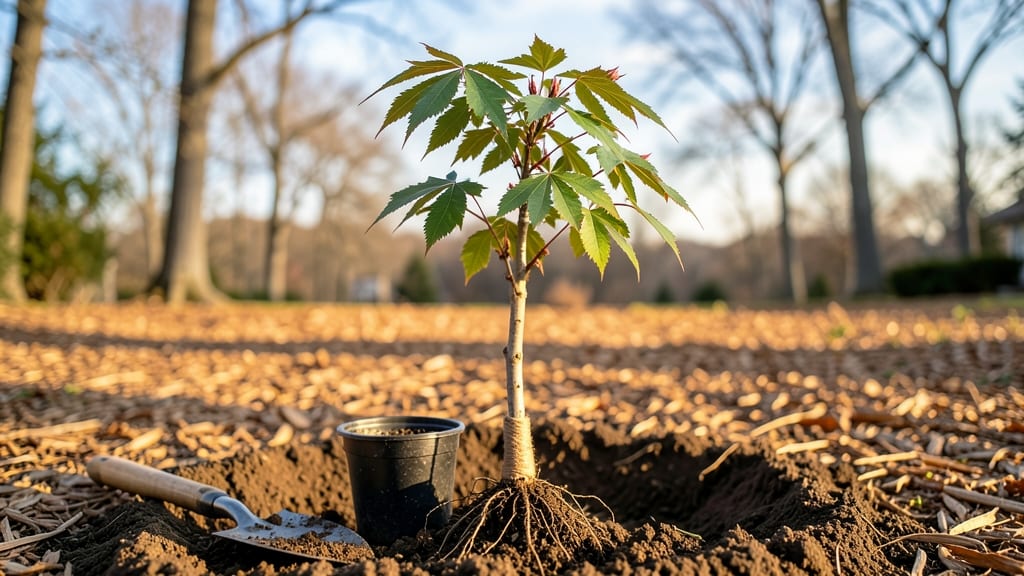
Growing zones for trees define where specific species can thrive based on temperature ranges, frost resistance, and climate conditions outlined in the USDA Plant Hardiness Zone Map. Selecting trees suited to your zone maximizes their survival and growth potential.
The USDA Plant Hardiness Zone Map divides North America into 13 zones based on average annual minimum temperatures, ranging from -60°F in Zone 1 to above 60°F in Zone 13. 🌳 Each zone reflects how cold a tree can tolerate—planting a Zone 4 tree in Zone 7 might stunt its growth, while a Zone 8 tree in Zone 4 could freeze.
Microclimates (like urban heat islands or sheltered valleys) can shift your effective zone by 1-2 levels, so always verify with your exact location. For best results, cross-reference your zone with a tree’s cold hardiness rating (e.g., a Zone 5 tree needs to survive down to -20°F).
Beyond temperature, consider your region’s rainfall, soil type, and humidity—these factors often determine whether a tree thrives or struggles. For example, drought-resistant species like the Crape Myrtle (Zones 7-9) excel in arid climates, while moisture-loving trees like the Dawn Redwood (Zones 5-8) need consistent water.
Always check a tree’s full range (e.g., Zone 3-9 for Red Maple) to account for seasonal variations and long-term climate shifts.
💡 In This Article
- Decoding the USDA Plant Hardiness Zone Map for Trees
- Top Tree Species by USDA Growing Zone and Climate Needs
Decoding the USDA plant hardiness Zone map for trees
The USDA Plant Hardiness Zone Map organizes North America into 13 zones based on the average annual minimum temperature—the coldest temperature a location typically experiences.
Each zone spans a 10°F range, starting from Zone 1 (-60°F) in Alaska's interior to Zone 13 (above 60°F) in Hawaii and southern Florida.
For trees, this means a Zone 5 tree (surviving down to -20°F) will thrive in Minnesota but struggle in Georgia (Zone 8), where winters rarely drop below 10°F. 🌲
Finding your zone is simple: enter your zip code or latitude/longitude on the USDA's interactive map, which overlays your location with colored zone boundaries. However, don’t rely solely on this—microclimates (like urban areas, slopes, or bodies of water) can shift your effective zone by 1-2 levels.
For example, a south-facing slope in Zone 6 might experience 5°F warmer winters than the surrounding area, allowing you to grow a Zone 7 tree that would otherwise perish.
Cold hardiness ratings (e.g., "Zone 4-8") indicate a tree’s minimum temperature tolerance and optimal range. A Zone 4 tree can survive -30°F but may grow poorly in Zone 7, where winters are milder.
Conversely, a Zone 9 tree (like a Meyer Lemon) won’t survive Zone 5’s -10°F winters. Always plant trees at the cooler edge of their range to ensure resilience—this gives them a buffer against unexpected cold snaps.
Beyond temperature, consider chilling hours (the number of hours below 45°F a tree needs to bloom properly) and heat zones (like the USDA Heat Zone Map, which ranges from 1-12).
For instance, Peach trees (Zones 5-9) require 300-1,000 chilling hours, while Avocado trees (Zones 10-11) thrive in Heat Zone 10+, where summers exceed 90°F for months. Ignoring these factors can lead to poor flowering, fruit production, or even tree death.
Pro tip: Use the USDA Interactive Map to overlay your zone with local weather data (like 30-year averages from NOAA). Check for extreme lows—a Zone 6 tree might survive a -10°F winter, but a -25°F dip could kill it.
For added safety, opt for native species, which have evolved to handle your region’s climate extremes naturally. 🌿