
Planting
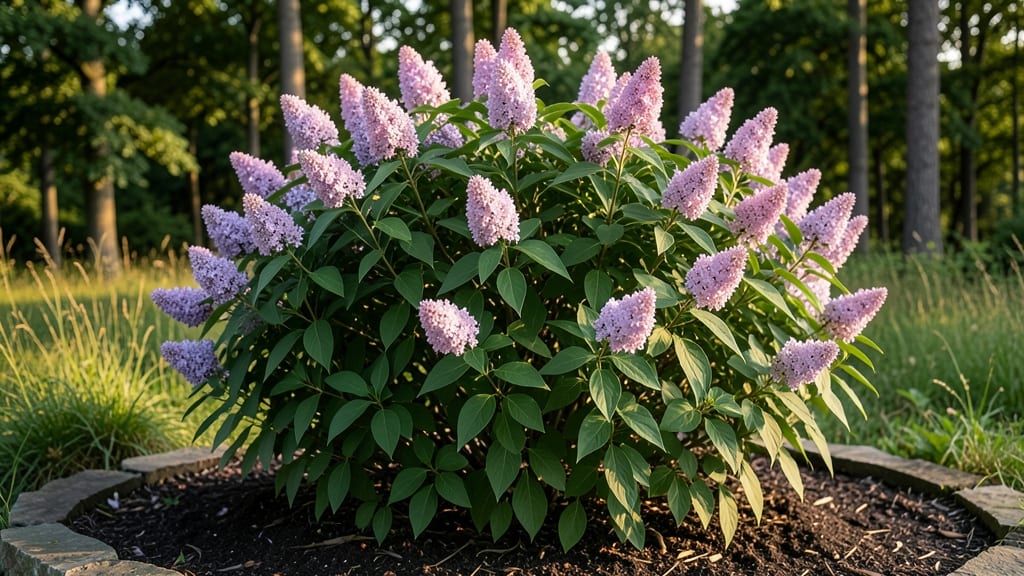
Hardiness zone 4B includes areas with average minimum temperatures between -25°F and -20°F (-32°C to -29°C), where cold-resistant plants like coneflowers, lavender, and Russian sage thrive year after year. Timing is everything for vegetables—spring crops should go in after the last frost, while fall planting requires 6-8 weeks before the first frost. Adding mulch helps protect roots and keeps plants growing longer in these chilly conditions.
In zone 4B, the key to successful gardening lies in understanding how plants adapt to extreme cold. 🌱 The temperature range forces plants to develop deep root systems and thick stems, which is why perennials like peonies and catmint return year after year.
For vegetables, timing matters most—cool-season crops like kale and spinach handle frost better than heat-loving tomatoes, so planting them early or late in the season maximizes your harvest.
I’ve found that using straw mulch in late fall can add an extra 4-6°F of protection to plant roots during the harshest winter months.
What sets zone 4B apart from warmer zones is its shorter growing season, but with the right strategies, you can still enjoy a productive garden. 🌿 Many gardeners in this zone swear by cold frames and row covers to extend spring and fall growing periods.
The trick is balancing hardy varieties with proper soil preparation—well-draining soil with plenty of organic matter helps plants withstand both cold snaps and summer droughts. If you’re new to this zone, start with proven cold-hardy plants and gradually experiment as you learn what thrives in your specific microclimate.
💡 In This Article
- Understanding Zone 4B Climate and Plant Survival Science
- Best Zone 4B Perennials, Vegetables, and Planting Timelines
Understanding zone 4B climate and plant survival science
Zone 4B's extreme cold—where winter lows plunge to -25°F to -20°F (-32°C to -29°C)—forces plants to develop survival adaptations like deep root systems and thick, waxy cuticles. These features reduce water loss and protect against cellular damage when temperatures drop.
For example, coneflowers store energy in their roots during winter, allowing them to regrow quickly in spring, while Russian sage's silvery leaves reflect sunlight to prevent overheating in summer. 🌿 The science behind this involves a plant's ability to supercool its cells, preventing ice crystal formation that would rupture cell walls.
Soil insulation plays a critical role in survival. A 4-inch layer of straw mulch can add 4-6°F of protection to roots, while wind exposure accelerates heat loss—plants in open areas need 10-15% more cold tolerance than those in sheltered microclimates.
Compare this to zone 4A (colder, -30°F to -25°F) or zone 5A (warmer, -20°F to -15°F): a 5°F difference can mean the difference between a plant surviving or dying.
Frost damage occurs when ice crystals form in plant tissues, disrupting water transport—this is why late spring frosts (28°F) can kill tender new growth.
Microclimates create pockets of warmth that extend growing seasons. A south-facing wall can add 10-15°F of warmth compared to open ground, while a pond or large rock absorbs heat during the day and radiates it at night.
This is why gardeners in zone 4B often place cold-sensitive plants near heat-retaining structures. The trade-off? Windbreaks like evergreen hedges reduce wind chill by 50%, but they also cast shade that may delay spring planting by 2-3 weeks.
Understanding these factors helps you strategically place plants for maximum survival.
Cold tolerance varies dramatically by species. Perennials like peonies can survive -30°F thanks to their thick, fleshy roots, while vegetables like spinach tolerate 15°F but wilt at 25°F.
The key is matching plant hardiness ratings to your zone—most catalogs list USDA hardiness zones, but local climate data (like your average last frost date) is equally critical.
For instance, in northern Michigan (a classic 4B zone), gardeners plant potatoes in late April when soil reaches 45°F, while in Colorado's 4B regions, they wait until mid-May due to higher elevation.
What most gardeners overlook is how soil type affects cold hardiness. Sandy soils drain quickly but don't retain heat, while clay holds moisture and insulates roots. Amending soil with 3-4 inches of compost improves both drainage and heat retention.
This is why a well-prepared garden bed can help plants survive 5°F colder than poor soil. The science? Organic matter increases soil porosity, allowing roots to access moisture even when the surface freezes. 🌱
To mitigate frost risks, many zone 4B gardeners use row covers or cold frames. These can raise soil temperatures by 5-10°F during the day and 15-20°F at night. The trick is timing—covering plants too early can trap moisture and cause rot, while waiting too long leaves them vulnerable.
For example, covering broccoli with a lightweight row cover in late September can extend harvest by 3-4 weeks before the first hard frost. The balance between protection and airflow is what separates successful cold-weather gardening from failure.