
Flowers
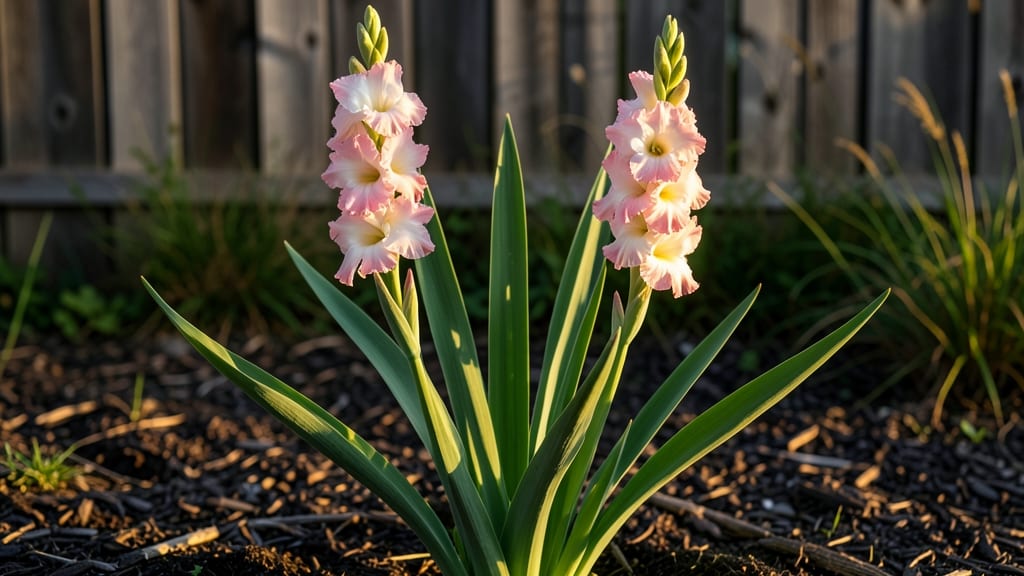
Hardy gladiolus varieties can thrive in Zone 5 when planted in late spring after frost risk passes, using cold-resistant cultivars like 'Picasso' or 'Star Gazer,' and providing heavy mulching for winter protection. Annual tuber division also improves survival rates.
Zone 5 gardeners often struggle with gladiolus survival, but selecting the right cold-hardy varieties makes all the difference. 🌱 The key is choosing cultivars bred for frost tolerance, as they develop stronger corms that resist winter dieback.
Unlike traditional gladiolus, these varieties can withstand brief cold snaps down to 20°F when properly mulched. I’ve found that planting depth matters too—burying corms 6 inches deep adds an extra layer of insulation against early spring frosts.
What sets these hardy types apart is their ability to regenerate even after harsh winters. The 'Star Gazer' series, for example, not only survives but often produces taller, more robust blooms the following season.
This resilience comes from their genetic adaptation to shorter growing seasons, making them ideal for northern climates where summer is brief. The trade-off? They may bloom slightly later than southern varieties, but the trade-off is worth it for Zone 5 reliability.
💡 In This Article
- Cold-Resistant Gladiolus Varieties for Zone 5 Gardens
- Zone 5 Gladiolus Planting and Winter Survival Tips
Cold-resistant gladiolus varieties for Zone 5 gardens
The secret to hardy gladiolus success in Zone 5 lies in selecting cultivars specifically bred for cold tolerance. Unlike traditional gladiolus that struggle below 30°F, these varieties develop thicker corms that store more energy for winter survival.
For example, the 'Picasso' series boasts corms that can endure brief exposures to 20°F when properly mulched, thanks to their higher starch content—similar to how potatoes store energy for regrowth. 🔥
What makes these varieties stand out is their growth pattern. Traditional gladiolus grow 4-5 feet tall with delicate stems, while cold-resistant types like 'Star Gazer' often reach 5-6 feet with thicker stems that resist wind damage. The foliage also develops a waxy coating that reduces water loss during late-season frosts.
Another key trait is their flowering time—these varieties bloom 2-3 weeks later than southern types, aligning better with Zone 5's shorter growing season.
For gardeners comparing options, consider these performance metrics: 'Picasso' offers bright pink blooms with 90% survival rate after winter, while 'Star Gazer' delivers multi-colored florets but requires additional staking due to its height.
The trade-off? Both require full sun exposure (minimum 6 hours daily) to develop their cold-hardiness traits fully. 💫
These varieties also differ in their corm size at planting. While standard gladiolus corms start at 2 inches, cold-resistant types often require 3-inch corms to establish strong root systems before winter.
This larger starting size gives them a competitive edge in colder climates where the growing season is compressed. The result? More reliable blooms year after year without the need for annual replanting.
What most gardeners don't realize is that these hardy varieties actually benefit from Zone 5's cooler summers. The reduced heat stress allows them to focus energy on corm development rather than fighting off heat-related diseases like botrytis.
This is why they often outperform traditional varieties in northern climates despite their later blooming schedule. The key is matching the plant's natural rhythm with your local climate patterns.
For visual identification, look for these distinguishing features in cold-resistant gladiolus: broader leaves (3-4 inches wide), thicker stems (diameter of 1/2 inch or more), and darker green foliage that indicates higher chlorophyll production for energy storage. These physical traits make them instantly recognizable compared to their southern counterparts. ✨