
Container Gardens
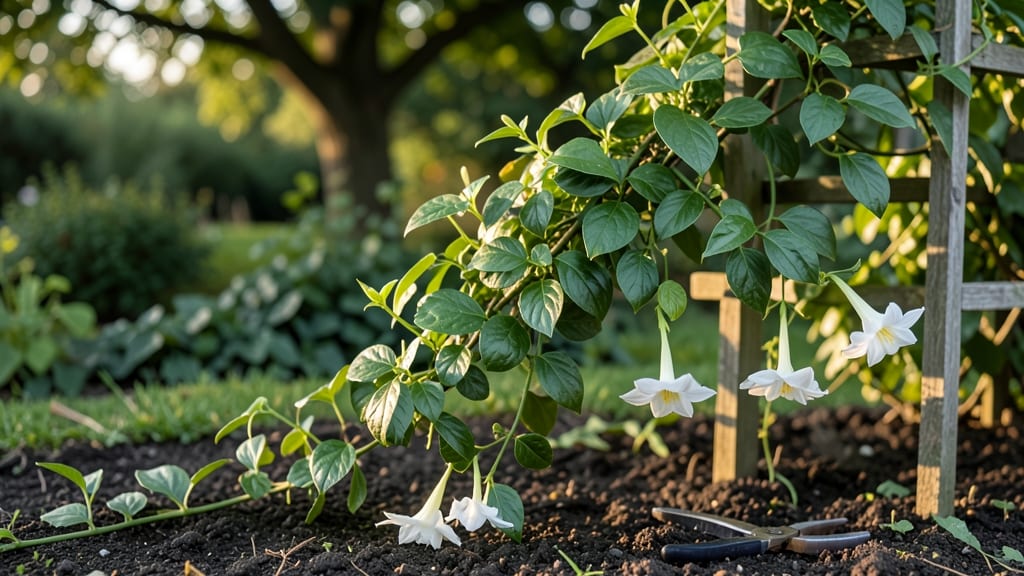
Jasmine grows best in USDA Hardiness Zones 7 through 11, where mild winters above 10°F (-12°C) and warm summers without extreme heat create ideal conditions. Container gardening or sheltered spots can help cultivate it successfully in cooler climates.
The USDA Hardiness Zones 7-11 provide the perfect balance of warmth and humidity for jasmine plants, which thrive in temperatures between 50°F (10°C) and 85°F (29°C). 🌸 In these zones, jasmine blooms prolifically during spring and summer, with its fragrant flowers attracting pollinators and adding beauty to gardens.
The key is avoiding frost—jasmine is highly sensitive to cold snaps below 20°F (-7°C), which can damage or kill the plant. For gardeners in cooler regions, using containers allows you to move the plant indoors during winter months, effectively creating a microclimate that mimics its preferred growing conditions.
If you're in Zone 6 or below, consider cold-hardy varieties like winter jasmine (Jasminum nudiflorum), which can tolerate temperatures down to -20°F (-29°C). These varieties offer a longer growing season and can still produce fragrant blooms, even in harsher climates.
Additionally, mulching around the base of the plant in late fall can provide extra insulation, helping to protect the roots from freezing temperatures.
💡 In This Article
- USDA Zones 7-11: Ideal Climate Conditions for Jasmine Growth
- Expanding Jasmine’s Range: Microclimate Hacks for Zones 6 and Below
USDA Zones 7-11: ideal climate conditions for jasmine growth
Jasmine's preference for USDA Zones 7-11 stems from its tropical origins, where consistent warmth and humidity trigger its flowering cycle. The plant's optimal temperature range of 50-85°F (10-29°C) ensures steady growth without stress.
Below 40°F (4°C), metabolic processes slow dramatically, while above 90°F (32°C), the plant may experience heat stress—visible as yellowing leaves or flower drop. 🌿 The key threshold is winter lows: jasmine can't tolerate prolonged exposure below 10°F (-12°C), as ice crystals form in its cells, rupturing delicate tissue structures.
The plant's flowering patterns directly correlate with temperature shifts. In spring, when daytime temperatures consistently reach 65°F (18°C), jasmine begins producing buds that will bloom within 4-6 weeks. Summer's warmth maintains this cycle, with peak fragrance typically occurring in late afternoon when temperatures peak.
Humidity plays a secondary but critical role—jasmine requires 50-70% relative humidity; below 40%, buds may fail to open properly, while above 80% can promote fungal growth on leaves.
Seasonal adaptation is what makes these zones perfect. Jasmine enters dormancy in cooler months, but only when temperatures drop gradually—not suddenly. A rapid 10°F (5.5°C) drop within 24 hours can shock the plant, while a slow transition below 50°F (10°C) allows it to conserve energy.
This is why Zone 7's 0-10°F (-18 to -12°C) winters work: the plant experiences mild dormancy without lethal damage. In contrast, Zone 11's 40-50°F (4-10°C) winters are too warm, preventing proper dormancy and leading to weak spring growth.
Light exposure also varies by zone. In warmer Zones 9-11, jasmine thrives with 6-8 hours of morning sun and afternoon shade to prevent leaf scorch. The plant's waxy leaves reflect 15-20% of sunlight, but prolonged exposure above 95°F (35°C) overwhelms this protective mechanism.
In cooler Zones 7-8, full sun (6+ hours daily) is ideal, as the plant can handle slightly cooler temperatures without heat stress. This zonal variation explains why jasmine in Florida may need afternoon shade while the same variety in Georgia can flourish in full sun.
What most gardeners don't realize is how jasmine's root system responds to seasonal changes. In Zones 7-11, roots develop a 12-18 inch deep taproot during summer, storing carbohydrates that fuel spring blooms.
When winter temperatures drop below 40°F (4°C), these roots become the plant's lifeline, providing energy until new growth resumes in spring. This underground adaptation is why container-grown jasmine in cooler climates often struggles—roots can't develop properly without consistent seasonal temperature shifts.
Consider this comparison: A jasmine plant in Zone 10 (mild winters) may produce 3-4 bloom cycles annually, while one in Zone 7 typically flowers 2 times per year.
The difference lies in winter chill accumulation—jasmine needs 200-400 hours below 45°F (7°C) to reset its biological clock for optimal flowering. This is why Zone 7's 500-700 chill hours actually benefit the plant more than Zone 10's minimal winter chill. 💫