
Lawn
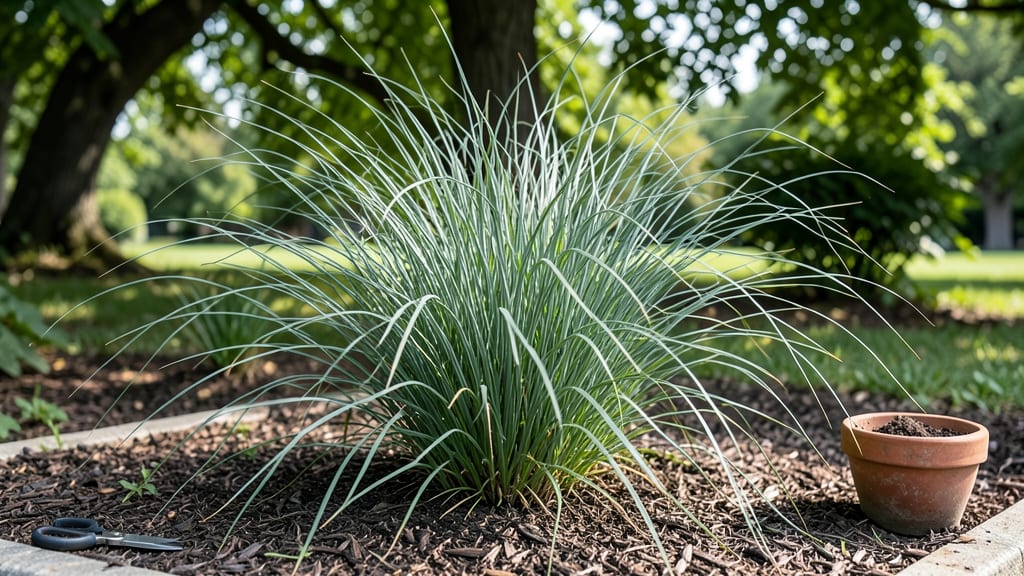
Growing lemon grass thrives in zones 9-11, where warm temperatures and humidity become its natural allies. 🌿 I’ve learned the hard way that this tropical plant bolts or freezes in colder climates—unless you give it the right conditions.
The key isn’t just the zone; it’s how you adapt its environment to match its needs, whether that’s through containers or protected spaces.
Lemon grass demands full sun—at least 6-8 hours daily—and well-draining soil rich in organic matter. In zones 8 and below, treat it like an annual or overwinter it indoors.
The roots are sensitive, so avoid soggy soil, and mulch heavily in warmer months to retain moisture. Even in ideal zones, a light frost will kill it, so plan accordingly.
With the right setup, you’ll harvest fragrant stalks for cooking or teas within 3-4 months. The aroma alone makes it worth the effort—bright, citrusy, and impossible to ignore. Plus, it’s a natural pest repellent, keeping mosquitoes and ants at bay while you enjoy its benefits.
For colder climates, containers are your best friend—move them indoors before frost hits. In warmer zones, it can spread aggressively, so contain it or harvest often. Either way, lemon grass rewards patience with a burst of flavor and fragrance that’s hard to beat.
📚 In This Guide
- What you need
- Instructions
- Tips and common mistakes
- Wrapping up and next steps
What you need
- ● Lemon grass plants: 3–5 healthy nursery starts (ensure they’re disease-free and have firm stalks).
- ● Potting soil or garden soil: Potted plants: 1–2 bags of well-draining potting mix (e.g., Miracle-Gro Potting Mix or coco coir blend).
- ● In-ground planting: Amend native soil with 2–3 inches of compost or aged manure to improve drainage.
- ○ Containers (optional for zones 8–11): 1–2 12–18-inch diameter pots with drainage holes (terracotta or fabric grow bags work best).
- ● Fertilizer: A balanced, slow-release fertilizer (10-10-10 or organic options like fish emulsion) or citrus-specific plant food.
- ● Mulch: 2–3 inches of organic mulch (straw, wood chips, or pine bark) to retain moisture and regulate soil temperature.
- ● Watering can or hose: With a gentle spray nozzle for even moisture distribution.
- ● Garden trowel or hand shovel (for transplanting or digging holes).
- ● Pruning shears (to trim dead leaves or harvest stalks).
- ● Gloves (to protect hands from soil and sharp lemon grass edges).
- ○ pH testing kit (optional): To ensure soil pH is 5.5–7.0 (lemon grass prefers slightly acidic to neutral soil).
- ○ Thermometer (optional for zones 9–11): To monitor soil temperatures if growing in containers (ideal: 70–90°F).
- ● Sunlight: A spot with full sun (6–8 hours/day) or partial shade (4–6 hours) in hotter zones (e.g., 9–11).
- ● Drainage: Avoid soggy soil—lemon grass hates waterlogged roots! Raise containers or amend clay soil with perlite.
- ● Climate awareness: In zones 7 and below, grow lemon grass as an annual or in containers for winter protection.
- ● Patience: Lemon grass grows slowly at first but rewards you with lush, aromatic stalks in 3–6 months!
How to choose the perfect lemon grass plant zones for your climate
Lemon grass thrives in the right conditions—here's how to match it to your USDA zone for lush, fragrant growth all season.
🌱 Step 1: Locate Your USDA Plant Hardiness Zone
Find your zone by entering your ZIP code into the USDA Plant Hardiness Zone Map online. Lemon grass grows best in zones 9-11, where winters rarely drop below 30°F. If you live in zones 8 or cooler, treat it as an annual or grow it in containers to bring indoors before frost.
Here's the thing—lemon grass is tropical at heart. In zones 9-11, it grows year-round with minimal care, sending up those signature 2-foot stalks that smell like sunshine. Outside those zones, you'll need to be strategic. I always check my local cooperative extension service for microclimate notes—they often adjust the official zone by 1-2 degrees.
☀️ Step 2: Match Your Zone to Lemon Grass Needs
Zones 9-11: Plant directly in well-draining soil after the last frost date. Lemon grass loves full sun to partial shade—at least 6 hours of direct sunlight daily. In coastal areas, afternoon shade protects leaves from salt spray damage. You'll see new growth within 3-4 weeks of planting.
Zones 8 and cooler: Start seeds indoors 8-10 weeks before last frost—they germinate best at 75-85°F. Transplant seedlings after soil warms to 60°F. Watch for first true leaves—they'll appear 10-14 days after germination. These zones need extra care: mulch heavily to protect roots from temperature swings.
🪴 Step 3: Prepare Your Planting Site for Optimal Growth
Lemon grass needs well-draining soil—it rots quickly in soggy conditions. Mix compost into native soil to improve drainage, especially in zones 9-11 where heavy rains are common. The ideal spot gets morning sun and afternoon shade in hotter zones (10-11). You'll know you've got it right when leaves stay bright green instead of yellowing.
For container growing (zones 8 or cooler), use pots at least 12 inches deep with drainage holes. Fill with a mix of potting soil and perlite (50/50 ratio). Keep containers in full sun during the day and move them indoors (60°F+ nighttime temps) before frost. Roots will spread aggressively—trim any that escape the pot edges to keep growth contained.
⏰ Step 4: Time Planting for Your Zone's Climate
In zones 9-11, plant anytime after March 15 when soil reaches 65°F. Space plants 18-24 inches apart—they'll spread quickly. Water deeply once weekly (more in summer heat), letting soil dry slightly between waterings. You'll see first harvestable stalks in 3-4 months—look for stalks 1/4 inch thick at the base.
In zones 8 or cooler, start seeds indoors April 1 (or 6-8 weeks before last frost if earlier). Harden off seedlings by placing them outside for 2 hours daily, increasing time by 1 hour each day until they're outdoors full-time. Plant after May 15 when nighttime temps stay above 55°F. In fall, dig up containers before 45°F temps and move indoors to a sunny window.
🌿 Step 5: Maintain Lemon Grass Through the Seasons
Zones 9-11: Trim stalks to 6 inches in early spring to encourage bushier growth. Fertilize lightly with balanced 10-10-10 every 6 weeks during growing season. Watch for brown leaf tips—this signals underwatering or fluoride buildup (common in tap water). Switch to rainwater or distilled water if you see this.
Zones 8 or cooler: Overwinter indoors near a sunny window. Reduce watering to every 2-3 weeks—roots slow down in cooler temps. Prune back 1/3 of growth in late winter to stimulate new shoots. You'll see first signs of regrowth within 2-3 weeks of pruning. This is your cue to increase watering and light gradually.
Tips & tricks for thriving lemon grass in any zone
Here's what nobody tells you about growing lemon grass beyond the basics—these tricks make all the difference between struggling plants and lush, fragrant stalks.
Microclimate Adjustments: The USDA zone map gives you a starting point, but your actual growing conditions might differ. If you're near a large body of water or in a city heat island, you could be 1-2 zones warmer than the official map suggests. Test your microclimate by planting a heat-sensitive crop like basil—if it thrives, you might be able to grow lemon grass successfully in a slightly cooler zone than recommended. I've seen lemon grass grow in zone 8b gardens with these adjustments!
Sunlight Strategy for Coastal Areas: In zones 10-11 near coastlines, afternoon shade is crucial to protect leaves from salt spray damage. Use 50% shade cloth during peak sun hours (11 AM-3 PM) if your plants show signs of browning at the tips. You'll notice the difference within 2-3 weeks—leaves stay vibrant and growth remains vigorous. This simple adjustment prevents the most common coastal growing challenge.
Soil Temperature Secrets: Lemon grass roots are sensitive to cold soil, which is why the 65°F soil temperature guideline in zones 9-11 matters so much. To test soil temperature, use a soil thermometer inserted 2 inches deep. If it's below 60°F in spring, wait a few more days or use black plastic mulch to warm the soil faster. I've seen germination rates double when soil reaches the ideal 75-85°F range for starting seeds indoors.
Container Growing Hacks: For zones 8 or cooler, your container choice makes a huge difference. Avoid terracotta pots—they dry out too quickly and can stress the plant. Instead, use glazed ceramic or plastic containers that retain moisture better. Pro tip: Place a 1-inch layer of pebbles at the bottom before adding your soil mix. This creates natural drainage while keeping roots insulated from temperature swings when you move plants indoors before frost.
Pro Tips for Lemon Grass Plant Zone
- Here's what nobody tells you about growing lemon grass beyond the basics—these tricks make all the difference between...
- Microclimate Adjustments: The USDA zone map gives you a starting point, but your actual growing conditions might diff...
- Sunlight Strategy for Coastal Areas: In zones 10-11 near coastlines, afternoon shade is crucial to protect leaves fro...
Frequently asked questions
What USDA plant hardiness zones can lemon grass grow in?
Lemon grass thrives best in USDA zones 9-11 as a perennial. In cooler zones (5-8), it grows as an annual or can be overwintered indoors. Pro tip: Use mulch or containers to extend its lifespan in marginal zones!
How do I protect lemon grass in cold climates?
Move potted plants indoors before frost (32°F/0°C) or cover outdoor plants with frost cloth. In-ground plants may die back but regrow from roots in spring. Pro tip: Harvest stems before winter to enjoy year-round!
Can lemon grass grow in containers? Is it better than in-ground?
Yes! Containers work well for zones 5-8. Use well-draining soil and a pot with drainage holes. In-ground is ideal for zones 9-11, but containers offer flexibility to move plants indoors during cold snaps.
Why is my lemon grass turning yellow or dying back?
Yellowing can signal overwatering, poor drainage, or cold stress. Ensure soil stays moist but not soggy and plant in full sun. In zones 5-8, expect die-back in winter—it’s normal!
Are there lemon grass alternatives for colder zones?
Try citronella grass (similar hardiness) or lemongrass varieties like 'Meyers Lemon Grass', which tolerate slightly cooler temps. For a milder citrus scent, consider palmarosa or ginger.
Wrapping up and next steps
Growing lemon grass is a rewarding journey, and with the right USDA plant zone knowledge, you’re already halfway there! 🌱 Whether you’re in a warm tropical region or a milder climate, this versatile herb thrives with a little care and the perfect spot.
Now that you’ve got the insights, why not take the next step? Grab your gloves, mark that sunny patch in your garden, and watch your lemon grass flourish—soon, you’ll be harvesting fresh stalks for your favorite dishes.
Ready to plant with confidence? Start small, experiment, and enjoy the aromatic rewards! 🌿