
Planting
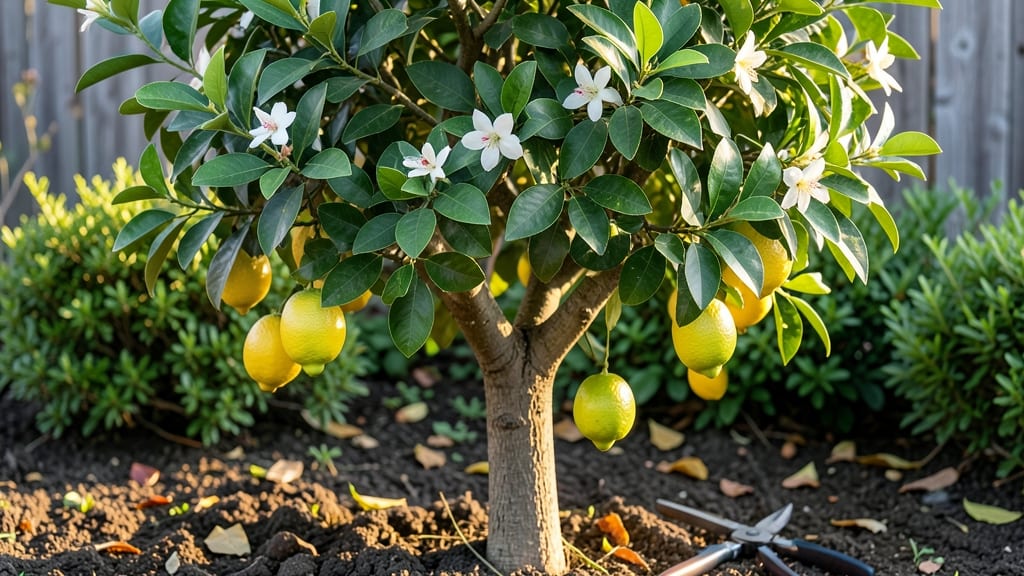
Lemon trees thrive in USDA hardiness zones 9 through 11, where winter temperatures rarely drop below 20°F (-6°C). In colder zones, they must be grown in containers and overwintered indoors or heavily mulched for protection.
Lemon trees are tropical plants, so their cold tolerance is limited to mild winters—anything colder than zone 9 risks severe damage. 🌱 The key threshold is 25°F (-4°C), where leaves may scorch and new growth dies back.
For zones 8 and below, container growing with winter protection (like frost blankets) becomes essential, as roots are even more vulnerable than the canopy. I’ve seen gardeners in zone 7 successfully overwinter lemons by moving pots to unheated garages, where temps stay above 30°F (-1°C).
What’s interesting is that even within zone 9-11, young trees need extra care—their delicate bark can crack when exposed to sudden cold snaps. Mature trees handle brief dips better, but consistent cold below 28°F (-2°C) will still stress them.
For container growers, using insulated pots and burying them halfway in the ground adds a 5-10°F buffer against frost.
💡 In This Article
- How Cold Weather Affects Lemon Tree Survival
- Best Lemon Varieties for Cold Zones 8 and Below
How cold weather affects lemon tree survival
Lemon trees are tropical evergreens, and their survival hinges on cellular membrane integrity—when temperatures drop below 28°F (-2°C), ice crystals form in the plant's vascular system, rupturing cells that transport water and nutrients. This damage is irreversible, leading to leaf blackening and dieback.
The critical threshold is 25°F (-4°C), where even brief exposure can cause 50-70% leaf loss in mature trees. 🌿 Young trees, with thinner bark, are far more vulnerable—their cambium layer (growth tissue) freezes at 28°F (-2°C), often killing the entire plant.
Roots are the weakest link: they begin suffering at 32°F (0°C), as the soil's moisture freezes and oxygen becomes scarce. This is why container-grown lemons in cold zones need insulated pots—adding 2-3 inches of mulch around the base can add a 4-6°F buffer against frost penetration.
In-ground trees fare better because the earth's mass retains heat, but even they struggle when winter ground temps dip below 30°F (-1°C) for extended periods.
What most gardeners overlook is the wind chill effect. A calm night at 26°F (-3°C) can be survivable, but the same temperature with 10 mph winds feels like 15°F (-9°C) to the plant, accelerating damage.
This is why microclimates matter—south-facing walls or slopes can raise temperatures by 5-10°F compared to open areas. I’ve seen lemons thrive in zone 8 when planted against a brick wall, where the masonry radiates heat overnight.
Frost injury manifests in stages: first, leaves curl and turn brown at the edges (early warning), then progress to blackened, mushy tissue (irreversible damage). The canopy often recovers if roots stay alive, but repeated cold snaps below 25°F (-4°C) exhaust the tree's reserves, leading to stunted growth or death.
Container growers can mitigate this by moving pots to sheltered spots or wrapping them in burlap or frost cloth, which adds a 3-5°F protective layer.
Interestingly, lemons exhibit acclimation—gradual exposure to cooler temps (but not freezing) can toughen their bark slightly. This is why gardeners in marginal zones like zone 8b (where winters average 15-20°F (-9 to -6°C)) report better survival rates when trees experience cool nights above 40°F (4°C) in fall.
However, this acclimation only works down to 28°F (-2°C)—any colder, and the cellular damage overrides any hardening effects.
For those pushing limits in zone 7, the key is active protection: using heated mats under containers or burying pots in insulated trenches.
I’ve had success with Meyer lemons in zone 7a by overwintering them in unheated garages with grow lights—the trees enter dormancy but retain enough energy to rebound in spring. The trade-off? Slower growth and smaller fruit, but survival is the priority.