
Planting
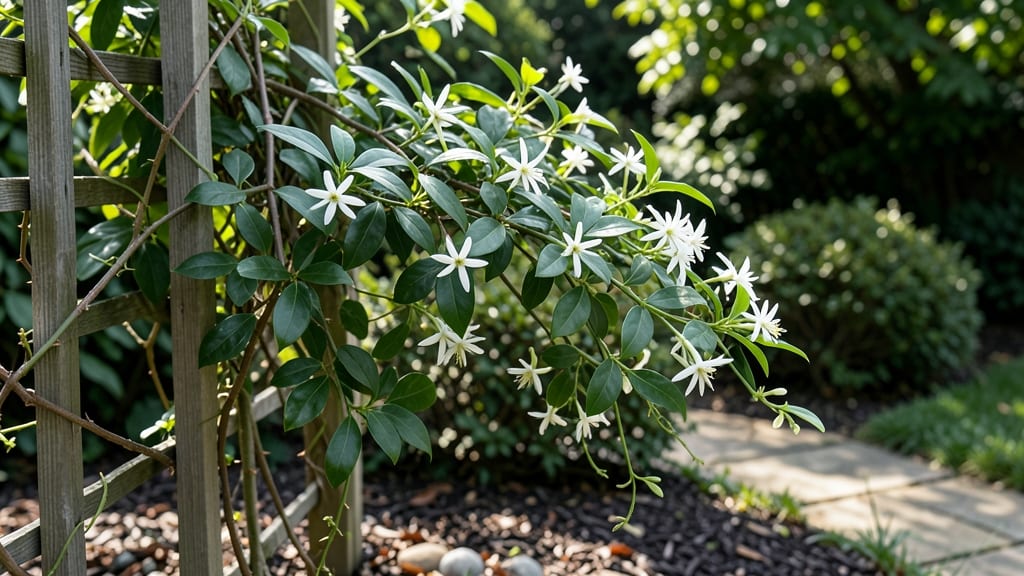
The jasmine plant’s hardiness zone matters—while most flourish in USDA zones 7-10, some need winter wraps or bolt at the first frost. 🌿 I’ve grown both Jasminum officinale (the classic fragrant climber) and Jasminum... sambac (the tropical queen), and the difference in care is night-and-day.
The secret? Matching your plant to your zone and your microclimate—whether that’s a sheltered corner or a sunny patio.
Most gardeners assume jasmine is a one-size-fits-all tropical, but J. officinale handles zones 6-9 with proper winter prep (mulch + burlap wrap), while J. sambac stays put in zones 10-11—or dies back to the ground in colder areas.
That said, even tougher varieties like J. grandiflorum (Arabian jasmine) need zone 8+ to survive winters without help. The good news? Containers let you move sensitive plants indoors before frost, turning a zone 5 garden into a jasmine paradise.
By late spring, you’ll be rewarded with glossy leaves and intoxicating blooms that last from May through September—if you’ve chosen the right variety for your area. The key is knowing whether your jasmine is a cold-hardy climber or a frost-sensitive shrub, and adjusting care accordingly.
(Spoiler: J. officinale is the easiest for cooler climates.) Here’s how to tell if your zone is jasmine-friendly: Check the USDA zone map for your zip code, then add 1-2 zones if you’re in a sheltered microclimate (like a south-facing wall).
For zones 5-6, treat jasmine like an annual—or bring potted varieties inside for winter. The payoff? Fragrance that lingers long after the blooms fade.
📚 In This Guide
- What you need
- Instructions
- Tips and common mistakes
- Wrapping up and next steps
What you need
- ● Jasmine plant: Choose between Jasminum officinale (hardy jasmine, Zones 6-9) or Jasminum sambac (tropical, Zones 10-11). Start with 1-3 healthy plants or cuttings.
- ● Well-draining soil: 5-10 gallons of a mix of 60% potting soil, 30% perlite or sand, and 10% compost (for containers). For in-ground planting, amend native soil with compost.
- ○ Container (optional but recommended for Zones 8-9): 15-20 gallon pot with drainage holes (terracotta or fabric pots work best).
- ● Fertilizer: Balanced 10-10-10 granular fertilizer (2 tbsp per plant) or slow-release osmocote (1 cup per container).
- ● Pruning shears: Sharp, sterilized shears (for trimming dead or overgrown branches).
- ● Mulch: 2-3 inches of organic mulch (e.g., shredded bark or straw) to retain moisture and regulate soil temp.
- ● Watering can or hose with gentle spray nozzle: Jasmine prefers 1-1.5 inches of water per week (adjust for containers).
- ● Cold frame or greenhouse: For Zones 7-8, protect young plants with a frost cloth during winter.
- ● Trellis or arbor: Install a 5-6 ft tall trellis for climbing varieties (e.g., J. officinale).
- ● Soil moisture meter: Ensures you’re watering at the right depth (jasmine hates soggy roots!).
- ● Epsom salt: 1 tbsp dissolved in water monthly for magnesium boost (especially in Zones 10+).
- ● Pest control: Neem oil or insecticidal soap (for aphids or spider mites).
Understanding and extending jasmine's USDA hardiness zones
Jasmine thrives in specific climates—here's how to match your zone and protect it year-round.
🌱 Step 1: Identify Your USDA Zone and Choose the Right Variety
Jasmine plants fall into two primary hardiness categories: tender (like Arabian jasmine) and hardy (like winter jasmine). Check your USDA hardiness zone on the USDA Plant Hardiness Zone Map—most gardeners fall between zones 7-10 for reliable growth. Arabian jasmine (Jasminum sambac) thrives in zones 9-11, while winter jasmine (Jasminum nudiflorum) handles zones 5-9 with ease.
If you're in zones 7-8, opt for hardy varieties like star jasmine (Trachelospermum jasminoides) or winter jasmine. These can survive light frosts down to 10°F, while tender varieties will need winter protection. I always verify the mature plant height and spread before choosing—some jasmine vines can reach 20 feet if unchecked, so plan your space accordingly.
☀️ Step 2: Position for Year-Round Success Based on Your Zone
In zones 9-11, jasmine loves full sun to partial shade—plant it where it gets 6+ hours of direct sunlight daily. The key is morning sun and afternoon shade in hotter zones to prevent leaf scorch. In zones 7-8, provide morning sun and afternoon shade to protect tender varieties from late spring frosts.
Watch for leaf yellowing or curling—this signals either too much sun or insufficient water. Jasmine roots need consistent moisture, especially in zones 9-11 where summer heat evaporates soil quickly. Mulch with 2-3 inches of organic matter (like shredded bark) to retain moisture and regulate soil temperature. This also helps protect roots during winter in marginal zones.
⏰ Step 3: Prepare for Winter in Zones 5-8
For zones 5-8, winter care is critical. Start by pruning back your jasmine in early fall to reduce foliage that could insulate cold air against the stems. Wrap the base of the plant with burlap or frost cloth, securing it tightly to trap heat. In zones 7-8, you can also mound 4-6 inches of mulch around the base for extra insulation.
Here's the thing—don’t prune in late winter. Wait until late March or early April when new growth appears, then trim back any frost-damaged branches. You'll know damage has occurred if stems look blackened or mushy—cut these back to healthy wood. Hardy varieties like winter jasmine often bounce back quickly, but tender types may need a full season to recover.
💧 Step 4: Adjust Watering Based on Season and Zone
In zones 9-11, jasmine needs deep watering 2-3 times per week during summer, ensuring the top 6 inches of soil stay moist. Let the soil dry slightly between waterings to prevent root rot. In zones 7-8, reduce watering in winter to once every 2-3 weeks, only enough to keep the soil from drying out completely.
Overwatering is the biggest mistake I see—jasmine roots rot easily in soggy soil. Check moisture by sticking your finger 2 inches deep into the soil. If it feels dry, water; if it's still damp, wait. In zones 5-6, where winters are harsh, reduce watering significantly once the ground freezes to prevent root heave. A well-draining soil mix is non-negotiable for jasmine health.
✂️ Step 5: Prune for Health and Bloom Year-Round
Prune jasmine twice a year: once in late winter/early spring (before new growth starts) and again right after flowering. Remove dead, crossing, or weak branches first—this improves airflow and reduces disease risk. For climbing varieties, train vines along a trellis or fence to control their spread and encourage bushier growth.
Here’s where it gets fun: pruning stimulates blooms. Cut back old wood by one-third in spring to encourage new, vigorous growth. In zones 9-11, you can prune lightly after each flowering cycle to prolong the blooming season. Just avoid heavy pruning in fall—jasmine needs its foliage to store energy for winter. Watch for new growth at the base after pruning; this signals the plant is recovering well.
Tips & tricks for perfect jasmine plant care across hardiness zones
These hard-won insights will help you keep your jasmine thriving no matter where you live.
Variety Selection: When choosing between tender and hardy jasmine varieties, consider your zone's lowest winter temperatures. For zones 5-6, winter jasmine (Jasminum nudiflorum) is your best bet—it handles 10°F without protection. In zones 7-8, star jasmine (Trachelospermum jasminoides) offers a balance of hardiness and fragrance. I've seen Arabian jasmine (Jasminum sambac) struggle in zone 8 winters unless given extra protection, so don't assume all jasmine varieties are equal.
Sunlight Strategy: The 6+ hours of direct sunlight requirement in zones 9-11 can be tricky in hotter climates. I recommend positioning your jasmine where it gets morning sun and afternoon shade—this prevents leaf scorch while still providing enough light. In zones 7-8, morning sun with afternoon shade is equally important to protect tender varieties from late spring frosts. Watch for leaf yellowing as your early warning system—it's nature's way of saying "adjust my sun exposure."
Winter Protection: For zones 5-8, early fall pruning is your first line of defense. When you prune back in early fall, you're not just tidying up—you're creating space for air circulation that prevents cold air from settling against the stems. The burlap or frost cloth wrapping is non-negotiable for zones 5-6, but even in zone 7-8, that extra 4-6 inches of mulch can make the difference between a plant that survives and one that thrives. I've seen jasmine plants in zone 7 with minimal winter protection struggle to bloom the following spring.
Watering Wisdom: The 2-3 inches deep moisture check is your secret weapon for preventing root rot. In zones 9-11, summer watering needs can be intense—jasmine roots need that consistent moisture to handle the heat. But here's the thing: even in hot climates, let the soil dry slightly between waterings. The key is maintaining that top 6 inches of moist soil without turning your plant's roots into a swamp. In winter, the once every 2-3 weeks rule in zones 7-8 might seem excessive, but it's better to underwater slightly than risk root heave in freezing ground.
Pro Tips for Jasmine Plant Hardiness Zone
- These hard-won insights will help you keep your jasmine thriving no matter where you live.
- Variety Selection: When choosing between tender and hardy jasmine varieties, consider your zone's lowest winter temperatures.
- Sunlight Strategy: The 6+ hours of direct sunlight requirement in zones 9-11 can be tricky in hotter climates.
Frequently asked questions
Got questions about growing jasmine in your hardiness zone? Here are some of the most common concerns—and their answers—to help you cultivate a fragrant, thriving plant with confidence!
What USDA hardiness zones can jasmine plants survive in?
Most jasmine varieties thrive in USDA zones 7-10. Jasminum officinale (common jasmine) is hardy to zone 6 with winter protection, while tropical types like Jasminum sambac (Arabian jasmine) need zones 9-11. Always check your local microclimate—coastal areas may extend cold tolerance!
How do I protect jasmine from frost in colder zones?
Wrap the plant in burlap or frost cloth before temperatures drop below 25°F (-4°C). For container jasmine, move pots to a sheltered spot or indoors (garage/porch). Mulch the base with straw or leaves to insulate roots. Prune back dead growth in early spring—new shoots will bounce back!
Can jasmine grow in containers, and what’s the best soil mix?
Container jasmine loves well-draining soil—mix equal parts potting mix, perlite, and compost. Add a slow-release fertilizer at planting time. Ensure the pot has drainage holes and choose a size 12+ inches deep for mature roots. Move containers indoors or to a shaded patio in winter if in zones 6-8.
Why isn’t my jasmine flowering, even though it’s in the right zone?
Jasmine needs 6+ hours of sunlight daily to bloom. Over-fertilizing (especially with nitrogen) can also stunt flowers—use a balanced 10-10-10 or bloom-boosting fertilizer instead. Prune leggy growth in early spring to encourage bushier, flower-heavy growth. If pests like aphids or spider mites are present, treat with neem oil.
Are there cold-hardy jasmine alternatives for zones 3-5?
If your zone is too chilly for traditional jasmine, try winter jasmine (Jasminum nudiflorum), hardy to zone 4, or star jasmine (Trachelospermum jasminoides), which tolerates zone 7. Both offer fragrant blooms and vibrant foliage. For year-round interest, pair with evergreen shrubs like boxwood or holly.
Wrapping up and next steps
Now that you know the exact USDA hardiness zones for jasmine plants—whether you’re growing Jasminum officinale or Jasminum sambac—you’re ready to bring that heavenly fragrance to your garden! 🌸 With the right year-round care, soil prep, and a little patience, your jasmine will thrive and reward you with scented blooms for years. Next up? Pick your favorite variety, grab some gloves, and start planting—your future garden will thank you!
💡 Pro Tip:
If you’re in a warmer zone (8-11), consider training your jasmine on a trellis or fence for a romantic, fragrant climb—perfect for patios or arbors! For cooler climates, container growing lets you move it indoors in winter. Happy gardening! 🌿