
Planting
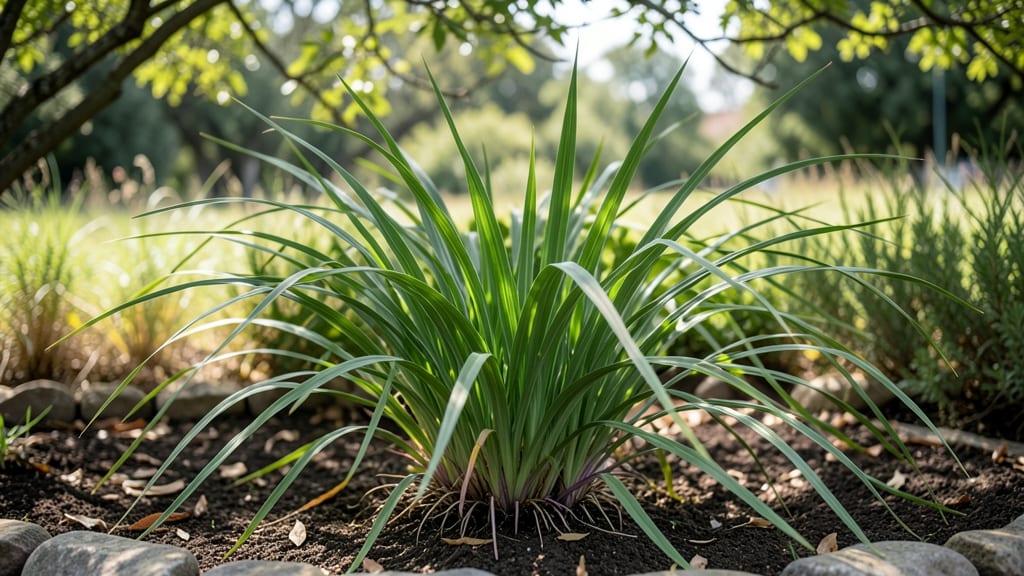
The hardiness zone for lemongrass spans 9-11, where frost never touches its delicate fronds—I’ve grown it in my Florida backyard, and the citrusy aroma wafting through the kitchen is worth every effort. climates demand a different approach.
This tropical grass isn’t just picky; it’s a diva that needs warmth to perform at its best. The key to success lies in matching its needs: 60-90°F temperatures, full sun, and soil that drains like a dream.
In zones 8 and below, lemongrass becomes a seasonal guest rather than a year-round resident. That means digging up pots before winter or risking frost damage—something I nearly learned the hard way when my first attempt survived a chilly night by sheer luck.
You’ll harvest fresh stalks for curries and teas within 8-12 weeks of planting, but only if you meet its climate demands. The payoff? A plant that’s easier to grow than most herbs once you nail the zone rules. Even in marginal areas, with the right care, lemongrass can outlast expectations.
For cooler climates, think of it as a tender perennial—it’ll come back if you bring it indoors or mulch heavily. The secret isn’t forcing it to stay outside; it’s working with its tropical nature. Let’s make it work for you, no matter where you live.
📚 In This Guide
- What you need
- Instructions
- Tips and common mistakes
- Wrapping up and next steps
What you need
- ● Lemongrass plants or seeds: 3–5 healthy lemongrass stalks (preferably organic, with roots intact) or
- ● 5–10 seeds (if starting from scratch)
- ● Well-draining potting mix: 1 bag (5–10 gallons) of cactus/succulent mix or sandy loam soil (lemongrass hates soggy roots!)
- ● Containers (if not planting in-ground): 2–3 large pots (12–18 inches deep) with drainage holes or
- ● A raised bed (minimum 12 inches deep)
- ● Basic gardening tools: 1 trowel (for transplanting)
- ● 1 pair of pruning shears (for trimming)
- ● 1 watering can or hose with a gentle spray nozzle
- ○ Mulch (optional but helpful): Straw, pine needles, or shredded leaves (2–3 inches thick)
- ● ✅ Know your zone: Lemongrass thrives in USDA Hardiness Zones 9–11. If you’re in Zones 8 or below, grow it in containers and bring it indoors in winter!
- ● ✅ Sunlight: At least 6–8 hours of full sun daily (partial shade in extreme heat).
- ● ✅ Warmth: Soil temps should stay above 65°F (18°C)—lemongrass is not frost-tolerant!
Understanding lemongrass planting zones for thriving growth
Lemongrass thrives in warm climates but can be grown in cooler zones with care—here's how to match its needs to your location.
Identify Your USDA Hardiness Zone
First, find your USDA hardiness zone using the Zone Finder Tool from the USDA website or a gardening app. Lemongrass grows best in zones 9-11, where winter temperatures rarely drop below 30°F. If you're in zones 8 or cooler, you'll need to treat it as an annual or grow it in containers for winter protection.
Look for the zone number assigned to your area—it's based on average annual minimum temperatures. For example, if you're in Southern California, you're likely in zone 10, while someone in North Carolina might be in zone 7. This number determines whether lemongrass can survive winters in your garden or needs special care.
Adjust Growing Methods Based on Your Zone
In zones 9-11, lemongrass grows as a perennial and can thrive year-round with minimal care. Plant it in well-draining soil with full sun exposure, and it will grow vigorously. However, if you're in zones 8 or cooler, you'll need to plant it in containers or use row covers to protect it from frost.
For cooler zones, start lemongrass indoors in early spring and transplant it outdoors after the last frost date. If you're in zone 7 or colder, grow it in pots and bring them indoors before temperatures drop below 50°F at night. This prevents the plant from suffering cold damage and ensures it survives for another growing season.
Prepare the Soil for Optimal Growth
Lemongrass prefers well-draining soil with a slightly acidic to neutral pH, ideally between 5.5 and 7.0. Before planting, mix the soil with compost or aged manure to improve fertility. If your soil is heavy clay, amend it with sand or perlite to enhance drainage—lemongrass roots rot easily in waterlogged conditions.
In containers, use a high-quality potting mix combined with perlite or vermiculite for better aeration. Fill the pot to within 1 inch of the rim and water thoroughly before planting. This ensures the roots have enough space to establish without sitting in stagnant water.
Provide the Right Light and Temperature Conditions
Lemongrass requires full sun exposure (6-8 hours daily) to grow strong and flavorful. In zones with intense summer heat, provide afternoon shade to prevent the plant from wilting. If growing indoors, place it near a south-facing window or under grow lights for 12-14 hours of light per day.
Keep the soil consistently moist but not soggy—water when the top 1-2 inches feel dry to the touch. In cooler zones, reduce watering slightly in winter to prevent root rot. Lemongrass grows best in temperatures between 70-90°F, so if you're in a colder zone, monitor temperatures closely and protect the plant during unexpected cold snaps.
Protect Lemongrass in Cooler Zones
If you're in zones 8 or colder, use frost cloth or row covers to shield lemongrass from temperatures below 50°F. In pots, move the plant to a sheltered spot like a garage or indoor space before the first frost. Lemongrass can tolerate light frosts if the ground isn’t frozen, but prolonged cold will kill it.
For a longer growing season, start new plants indoors every 6-8 weeks in early spring. This staggered approach ensures you always have fresh lemongrass available, even in cooler climates. With the right adjustments, you can enjoy this versatile herb year-round, regardless of your hardiness zone.
Tips & tricks for perfect lemongrass planting zones
Took me a while to figure out these tricks for growing lemongrass in different climates—here's what I've learned works best.
Zone 9-11 Perennial Strategy: In zones 9-11, where winter temps stay above 30°F, lemongrass becomes a true perennial. The key is to establish it in well-draining soil with full sun exposure (6-8 hours daily) during its first growing season. Once established, it'll return year after year with minimal care—just keep an eye out for any unexpected cold snaps that might dip below that critical 30°F threshold, especially in zone 9.
Cooler Zone Container Hack: For zones 8 and cooler, I've found that using containers with drainage holes is a game-changer. The 1-inch fill line recommendation isn't just about aesthetics—it gives roots room to establish while preventing waterlogging. In zone 7 or colder, I always add a layer of mulch around the base of container-grown plants to insulate roots during temperature fluctuations, which helps maintain that crucial 50°F minimum nighttime temperature.
Lighting Solutions for Indoor Growing: When growing indoors in cooler zones, I've had the most success with a combination of south-facing windows and supplemental grow lights. The 12-14 hours of light recommendation is non-negotiable—lemongrass needs that consistent light to develop its signature citrusy flavor. I use a simple LED grow light on a timer for 12 hours daily, positioned about 12 inches above the plant, and rotate the pot weekly to prevent leaning toward the light source.
Soil pH Troubleshooting: That recommended pH range of 5.5-7.0 is critical, but testing your soil first saves headaches. I've seen lemongrass struggle in slightly alkaline soils (above 7.0), even with all other conditions perfect. If your soil tests outside this range, you can amend it with elemental sulfur to lower pH or lime to raise it, but do this at least 2-3 months before planting to let the soil adjust properly. For container growing, I always use a pre-mixed potting soil that's already in the ideal range.
Pro Tips for Lemongrass Hardiness Zone
- Took me a while to figure out these tricks for growing lemongrass in different climates—here's what I've learned works best.
- Zone 9-11 Perennial Strategy: In zones 9-11, where winter temps stay above 30°F, lemongrass becomes a true perennial.
- Cooler Zone Container Hack: For zones 8 and cooler, I've found that using containers with drainage holes is a game-changer.
Frequently asked questions
Got questions about growing lemongrass in your zone?
Here are some of the most common concerns—and their answers—to help you cultivate this fragrant herb with confidence.
What are the exact hardiness zones for lemongrass?
Lemongrass thrives in USDA Zones 9-11 as a perennial. In colder zones (7-8), it’s often grown as an annual or overwintered indoors. For zones 5-6, treat it as a tropical houseplant or harvest before the first frost. Pro tip: If you’re in Zone 8 or below, start seeds indoors 8-10 weeks before the last frost for a head start!
Can lemongrass survive winter in Zone 8 or colder?
No—lemongrass is not frost-tolerant and will die in temperatures below 25°F (-4°C). In Zone 8, protect mature plants with mulch or row covers during light freezes (28-32°F). For Zones 7 and below, dig up potted plants before winter or grow them in containers you can move indoors. A sunny windowsill or grow light keeps it alive for next year!
How do I grow lemongrass in containers if I’m not in its native zone?
Containers are perfect for cooler climates! Use a well-draining mix (like cactus soil + perlite) and a pot with drainage holes. Place outdoors in full sun (6+ hours/day) during warm months, then move indoors before temps drop below 50°F (10°C). A 12-inch pot works for 1-2 plants, and fertilize lightly every 4-6 weeks with a balanced liquid fertilizer.
What can I do if my lemongrass turns yellow or dies in cold weather?
Yellowing or wilting in cold weather usually means root damage or shock. If caught early, trim dead leaves and repot in fresh soil. For severe damage, propagate from healthy stems (place cuttings in water until roots form). In future, avoid planting too early in spring—wait until soil temps are consistently above 60°F (15°C).
Are there cold-hardy alternatives to lemongrass?
If you love lemongrass’s citrusy flavor but live in a chilly zone, try these hardier herbs with similar notes:
- Citronella grass (Zone 9-11, but some varieties tolerate Zone 8 with protection)
- Lemon verbena (Zone 8-11; fragrant leaves for teas)
- Lemon balm (Zone 3-11; mild lemony aroma)
- Rosemary (lemon-scented varieties) (Zone 7-10; drought-tolerant)
Wrapping up and next steps
Lemongrass thrives beautifully in USDA Hardiness Zones 9-11, but with the right care—like containers, mulching, or cold frames—you can grow it even in cooler zones! 🌱 Whether you're a seasoned gardener or a curious beginner, this fragrant plant is worth the effort.
Now that you know its ideal range, why not take the next step? Start by checking your local zone, gathering supplies, and planting your first stalk—your kitchen (and senses!) will thank you.
Pro tip: 💡 Keep a journal of your lemongrass’s progress—note what works best in your climate for future harvests!