
Planting
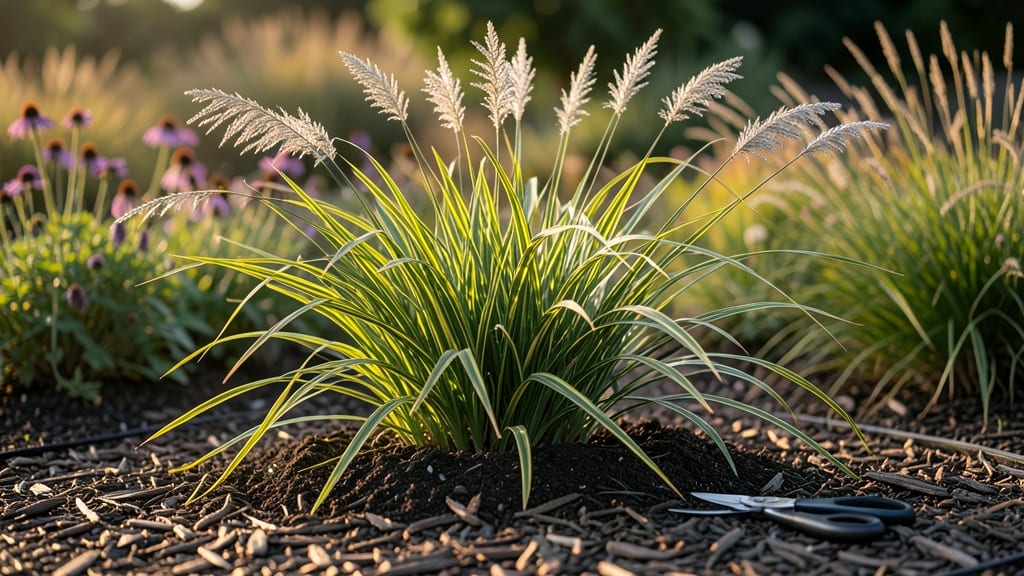
Ornamental grasses in Zone 4 bring year-round texture without the fuss of perennials that flop in winter. 🌿 After losing my first batch to harsh winds, I discovered the cold-hardy varieties that not only survive but thrive—like Miscanthus sinensis and Panicum virgatum—adding movement and structure to my garden even under snow.
These grasses handle 20-30°F winters with ease, their upright forms creating natural windbreaks while their seed heads add winter interest. Most need full sun to partial shade and well-draining soil, though they’re forgiving once established—perfect for busy gardeners who want low-maintenance beauty.
By late spring, you’ll see fresh growth emerge, and by summer, they’ll sway in the breeze like a living sculpture. The best part? They divide every 3-5 years, giving you free plants to share or expand your garden.
Whether you’re filling empty corners, softening hardscapes, or creating privacy screens, these grasses deliver four-season interest with minimal effort. Let’s pick the right ones for your space!
📚 In This Guide
- What you need
- Instructions
- Tips and common mistakes
- Wrapping up and next steps
What you need
- ● Ready to bring year-round texture and beauty to your Zone 4 garden with cold-hardy ornamental grasses? Here’s everything you’ll need to get started—from essentials to nice-to-haves! 🌿❄️
- ● Pro tip: 💡 Shop local! Native nurseries often carry Zone 4-tested grasses and can offer tailored advice for your microclimate.
How to select and establish ornamental grasses in Zone 4
Here's the straightforward approach I use to bring year-round texture to cold climates—no guesswork, just proven results.
🌱 Step 1: Choose the Right Grasses for Your Site
Zone 4 demands grasses that handle -20°F to -30°F winters without flopping or burning. I recommend Miscanthus sinensis 'Zebrinus' for bold vertical lines, Carex oshimensis 'Evergold' for shady edges, and Panicum virgatum 'Northwind' for tough prairie-style plants. Check each variety's mature height—3-5 feet works best for focal points, while 1-2 feet suits borders.
Pay attention to sun requirements too. Some grasses like 6+ hours of full sun, while others thrive in partial shade. I always sketch my garden layout first, marking where grasses will get morning sun versus afternoon shade. This prevents future disappointment when a sun-loving grass yellows in a shady spot.
🌿 Step 2: Prepare the Planting Site
Ornamental grasses need well-draining soil but hate soggy roots. Test your soil first—if it's heavy clay, amend with 2-3 inches of compost mixed into the top 12 inches of soil. I use a garden fork to loosen compacted areas, breaking up any hardpan that could restrict root growth. For containers, use a fast-draining mix with 30% perlite or sand.
The planting hole should be twice as wide as the root ball but only as deep. Grasses spread aggressively, so space clumps 2-3 feet apart for medium varieties and 4-5 feet apart for large ones. If planting in fall, do it 6-8 weeks before first frost—roots need time to establish before winter.
✂️ Step 3: Plant and Initial Care
Remove the grass from its container and tease the roots gently if they're circling. Place the plant so the top of the root ball sits 1 inch below soil level—this prevents stem rot later. Backfill with native soil mixed with 1 cup of compost per plant, then water deeply to settle everything.
Don't fertilize at planting—wait until spring when new growth appears. Water once a week for the first month, keeping soil evenly moist but not soggy. You'll know you're doing it right when the grass shows first true leaves within 3-4 weeks of planting. If leaves appear yellow or wilted, you're either overwatering or underwatering.
☀️ Step 4: Seasonal Maintenance for Year-Round Appeal
In spring, remove any dead foliage but leave seed heads until they turn brown—birds love them, and they add winter interest. I cut back only the old growth in late winter, about 2 inches above ground level, just as new shoots emerge. This preserves the plant's energy while keeping the garden tidy.
Fertilize lightly in early spring with a balanced 10-10-10 formula, applying only ½ pound per 100 square feet. Most ornamental grasses don't need much—overfeeding leads to weak stems that flop in summer. In fall, reduce watering as temperatures drop, but keep soil moist until the ground freezes.
⏰ Step 5: Winter Protection and Long-Term Care
Zone 4 winters test grasses, but the right varieties handle it beautifully. After the first hard frost, I apply 2-3 inches of mulch around the base to insulate roots. For young plants (1 year old), wrap the crown with burlap if temperatures dip below -20°F for extended periods.
Come spring, remove any protective materials immediately—trapped warmth can cause rot. Watch for new shoots emerging from the base around late April or early May, depending on your last frost date. If you see no new growth by mid-May, the plant may have died back too much—wait until mid-June before declaring it lost.
Tips & tricks for perfect ornamental grass plantings in Zone 4
Cold-hardy grasses need the right approach to thrive year-round—here's what I've learned after years of testing in Zone 4.
Variety Selection Matters: When choosing between Miscanthus sinensis 'Zebrinus' for height and Carex oshimensis 'Evergold' for shade, consider your garden's microclimates. I've found that 'Zebrinus' handles -20°F winters beautifully but needs full sun, while 'Evergold' tolerates partial shade but may yellow if planted in full sun. Always check the mature height labels—planting a 5-foot variety too close to a patio will create shade where you didn't intend.
Soil Preparation is Non-Negotiable: The 2-3 inches of compost mixed into the top 12 inches of soil isn't just about nutrients—it's about creating the perfect air-to-water ratio. I use a soil probe to check drainage before planting; if water pools after 30 minutes, you need more sand or perlite. For containers, that 30% perlite or sand mix makes all the difference between thriving and soggy roots.
Planting Depth and Spacing: Placing the top of the root ball 1 inch below soil level prevents stem rot by ensuring proper water drainage at the base. And that 2-3 feet spacing for medium varieties? It's not just about aesthetics—it gives roots room to spread without competing. I mark planting spots with landscape paint first to visualize the mature size before digging.
Winter Protection Strategy: The 2-3 inches of mulch after first frost isn't just decoration—it's insulation. For young plants (1 year old), that burlap wrap at -20°F can mean the difference between survival and loss. I always remove protective materials immediately in spring to prevent trapped warmth from causing rot, then watch for new shoots around late April as my signal to stop worrying.
Pro Tips for Ornamental Grasses Zone 4
- Cold-hardy grasses need the right approach to thrive year-round—here's what I've learned after years of testing in Zone 4.
- Variety Selection Matters: When choosing between Miscanthus sinensis 'Zebrinus' for height and Carex oshimensis 'Evergold' for shade, consider your garden's microclimates.
- Soil Preparation is Non-Negotiable: The 2-3 inches of compost mixed into the top 12 inches of soil isn't just about nutrients—it's about creating the perfect air-to-water ratio.
Frequently asked questions
Got questions about growing ornamental grasses in Zone 4?
You’re not alone! Here are answers to the most common concerns—from planting to overwintering—so you can keep your garden thriving even in chilly climates.
What are the best low-maintenance ornamental grasses for Zone 4 beginners?
Start with Miscanthus sinensis (like 'Malepartus' or 'Zebrinus'), Panicum virgatum (switchgrass), or Carex oshimensis (sedges). These grasses are cold-hardy, drought-tolerant, and require minimal pruning. Look for clumping types—they’re easier to manage than runners!
When is the ideal time to plant ornamental grasses in Zone 4?
Plant in early spring (as soon as the ground thaws) or early fall (4–6 weeks before the first frost). This gives roots time to establish before extreme cold. Avoid planting in summer heat or deep freeze—stress weakens young plants.
How do I protect ornamental grasses from harsh Zone 4 winters?
Most grasses survive winter with no extra care, but young plants or tender varieties (like Pennisetum) benefit from a 3-inch layer of mulch around the base. Cut back dead foliage in late winter/early spring (never in fall)—this prevents mold and encourages fresh growth.
Can I divide ornamental grasses in Zone 4, and when should I do it?
Yes! Divide every 3–5 years in early spring (before new growth starts) or fall. Use a sharp spade to lift the clump, separate into 3–5 inch sections with roots, and replant immediately. Water well afterward—this helps reduce transplant shock in cold climates.
What pests or diseases should I watch for in Zone 4 ornamental grasses?
Zone 4 grasses are generally pest-resistant, but watch for grasshoppers (spray with neem oil if severe) or leaf spot fungus (caused by overwatering). Improve airflow by spacing plants 18–36 inches apart, and avoid overhead watering. Most issues resolve with proper spacing and drainage.
How can I add color to my Zone 4 grass garden without flowers?
Pair grasses with evergreen shrubs (like Juniperus or Picea), colorful mulch (red cedar or black gravel), or winter interest plants like Helleborus (Lenten rose). For pops of color, try Carex testacea (bronze sedge) or Miscanthus 'Gracillimus' (golden plumes).
Wrapping up and next steps
Ornamental grasses are the unsung heroes of Zone 4 gardens—adding movement, texture, and resilience even in harsh winters! 🌿 From Miscanthus sinensis to Carex, these cold-hardy beauties thrive where others falter, offering year-round interest with minimal fuss.
Whether you’re a seasoned gardener or just starting, they’re the perfect way to elevate your landscape with low-maintenance elegance.
Ready to transform your space? Pick 1-2 grasses that match your style, prep your soil, and plant them this fall for a stunning spring surprise. Happy gardening—your future garden will thank you! 🌱✨