
Planting
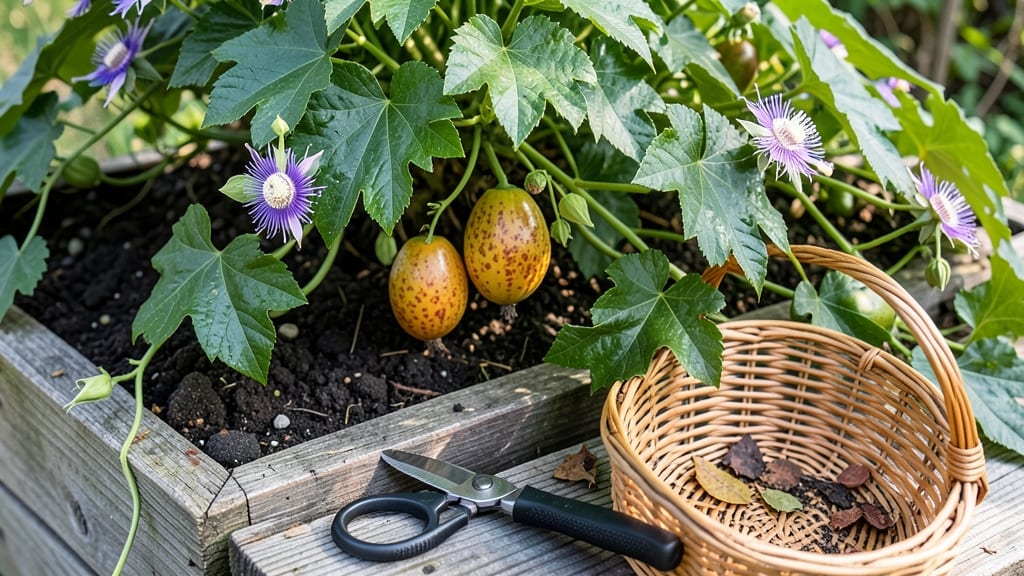
Passion fruit thrives in tropical and subtropical zones where warm climates, frost-free conditions, and temperatures between 60°F and 85°F create ideal growing environments. These regions align with USDA Hardiness Zones 9-11, where varieties like 'Purple' and 'Golden' perform best.
These tropical and subtropical passion fruit zones aren't just about temperature—they also require high humidity and full sun exposure to prevent fruit drop. 🌿 I've found that coastal areas often provide the perfect balance, while inland regions may need supplementary irrigation.
Varieties like 'Golden' tend to handle slightly cooler microclimates better than their 'Purple' counterparts, which demand more consistent warmth. For those outside Zones 9-11, container growing with winter protection can still yield fruit, though with reduced vigor.
What sets these zones apart is their ability to support passion fruit's rapid vine growth and flowering cycles. The key is maintaining that 60°F-85°F range year-round—any dip below 50°F risks stunted growth or dormancy.
I've seen firsthand how even a single frost can devastate unprotected vines, which is why many growers in marginal zones use row covers or greenhouse structures during cooler months.
💡 In This Article
- Climate Factors Affecting Passion Fruit Growth
- Best Passion Fruit Varieties for Different Growing Zones
Climate factors affecting passion fruit growth
The tropical passion fruit vine (Passiflora edulis) is a heat-loving plant that responds dramatically to temperature fluctuations. Its optimal growth range of 60°F-85°F isn't just about average temperatures—it's about consistency.
Even brief dips below 50°F trigger metabolic slowdowns, while prolonged exposure above 90°F can cause flower drop and reduced fruit set. The vine's native Brazilian rainforest habitat explains this sensitivity: it evolved in environments where temperatures rarely stray from this narrow band.
Humidity plays an equally critical role, with ideal levels between 60-80%. In drier regions like southern California (Zone 10), growers must implement drip irrigation systems to maintain soil moisture and leaf turgor. The vine's large, waxy leaves transpire heavily, so even brief periods of low humidity can cause wilting.
Coastal areas naturally provide this moisture through marine air currents, which is why passion fruit thrives along Florida's Gulf Coast and Hawaii's volcanic slopes.
Sunlight requirements are equally precise: passion fruit vines demand 6-8 hours of direct sunlight daily for proper photosynthesis and flowering. However, the intense tropical sun can scorch leaves during peak hours (10am-2pm), which is why many commercial growers use 30-50% shade cloth during summer months.
This creates a microclimate where the vines receive filtered light while maintaining temperature control—a technique I've seen dramatically increase fruit production in Arizona's Zone 9b regions.
Frost sensitivity is the vine's Achilles' heel. Temperatures below 32°F cause irreversible cellular damage, while even light freezes (35°F) can stunt new growth. This explains why passion fruit cultivation in Zone 8 (like parts of southern Texas) requires winter protection measures.
Growers use techniques like row covers, black plastic mulch, or even moving container-grown plants to sheltered locations—each method creates a 5-10°F temperature buffer that can mean the difference between a thriving vine and a lost crop.
What most growers overlook is the vine's response to seasonal temperature shifts. During Florida's summer (85-95°F), passion fruit flowers profusely but may experience 30-40% flower drop due to heat stress. The solution? Strategic pruning to reduce foliage density and morning watering to cool the canopy.
In contrast, during Zone 11's cooler winter months (65-75°F), the vines enter a semi-dormant state where growth slows but doesn't stop—making consistent fertilization crucial for spring recovery.
The science behind these requirements lies in the vine's physiological processes. Passion fruit flowers contain both male and female parts that must be pollinated by specific bees (like Xylocopa species) within 24-48 hours of opening.
When temperatures fluctuate, this pollination window narrows, reducing fruit set. This is why commercial growers in Zone 10 often hand-pollinate flowers during heatwaves—a practice that can increase yield by up to 25%.