
Container Gardens
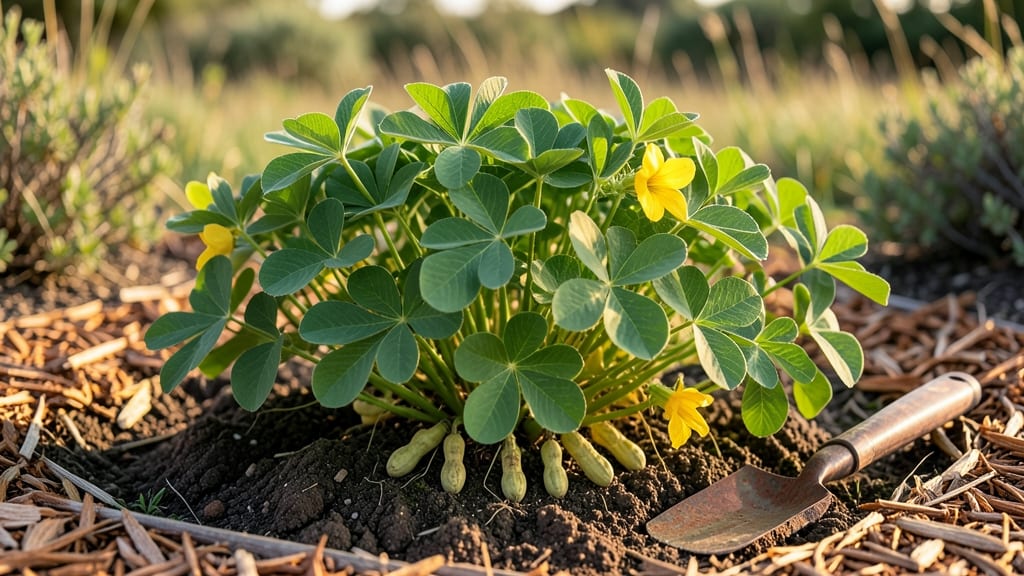
Peanuts grow best in USDA Zones 7 through 10, needing soil temperatures above 65°F (18°C) for successful germination. Plant them between April and June, adjusting harvest timing based on your last frost date.
Peanuts are tropical legumes that demand warmth—think of them as heat-lovers! 🔥 The 65°F (18°C) soil threshold isn't just about germination; it ensures proper root development and pod formation. In cooler zones like 7, you'll need to plant early varieties and extend the growing season with row covers.
Southern growers (Zones 8-10) have more flexibility but must watch for summer heat stress during flowering. The key is matching your variety to your region's frost-free window—early maturing types work in Zone 7, while longer-season varieties thrive in Zone 10.
For container growing, choose compact varieties like 'Early Spanish' and use black plastic mulch to raise soil temperatures faster. This works especially well in urban areas where microclimates can create unexpected growing zones.
Always test your soil's warmth before planting—peanuts won't tolerate cold soil, and starting too early can stunt their growth.
💡 In This Article
- USDA Zones and Soil Temperature Requirements for Peanuts
- Peanut Planting Calendar by US Region
USDA Zones and soil temperature requirements for peanuts
Peanuts are tropical legumes that absolutely refuse to grow in cold soil—this is why they demand USDA Zones 7 through 10. The magic number is 65°F (18°C), which isn't just about germination but also triggers critical root development.
Below this temperature, enzymes that break down seed reserves stall, leaving seedlings weak and stunted. In Zone 7, where winters dip below freezing, peanuts only survive as annuals, while Zones 8-10 allow for year-round growth in frost-free areas.
The soil temperature requirement explains why peanuts develop their distinctive underground pods. Once seeds germinate, they send out pegs that grow 4-6 inches into the soil before flowering and pod formation. This process requires consistent warmth—if temperatures drop below 60°F (15°C) during pegging, the plant may abort flower development entirely.
Southern growers (Zones 9-10) often face a different challenge: summer heat stress during flowering when temperatures exceed 95°F (35°C), which can reduce pod set by up to 30%. 🌡️
Frost plays a silent but devastating role in peanut growth. Even a light frost (32°F/0°C) can kill emerging seedlings, while later frosts damage flowering plants.
This is why Zone 7 growers must plant early varieties (like 'Early Spanish') that mature in 90-100 days—just enough time to harvest before fall frosts arrive. In contrast, Zone 10 growers can plant later varieties that take 120-150 days because their longer growing season minimizes frost risks.
The key is matching your variety to your region's last frost date.
Container growing adds another layer of temperature control. Since pots heat up faster than garden soil, you can push Zone 7 growing into Zone 8 conditions by using black plastic mulch, which raises soil temperatures by 5-10°F (3-6°C).
This technique works particularly well in urban areas where microclimates create unexpected growing zones. Always monitor soil temperature with a probe—peanuts won't tolerate cold soil, and starting too early can leave plants vulnerable to spring frosts.
What most gardeners don't realize is that peanuts have a hidden heat requirement even after germination. The pegging process (when roots grow downward) needs soil temperatures above 70°F (21°C) for optimal development.
This is why southern growers often see better yields—their warmer soils allow for deeper peg penetration and more robust pod formation. In cooler climates, extending the season with row covers can add 2-4 weeks of growing time, but only if soil temperatures remain above 65°F (18°C).
For those pushing the limits in Zone 6, consider using high tunnels or cold frames to create localized heat pockets. The goal is to maintain soil temperatures above 65°F (18°C) for at least 120 days—this matches the growing season of early varieties.
Without this warmth, peanuts simply won't develop properly, leaving you with poor yields or no harvest at all. 🌱