
Flowers
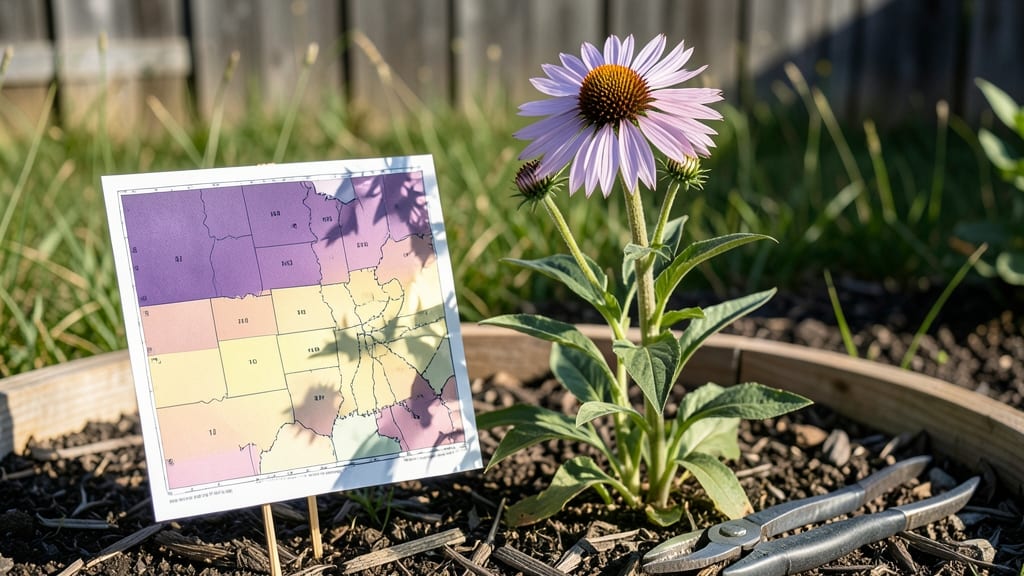
Your perennial garden's success starts with knowing perennial flower zones—because planting the wrong flowers in the wrong zone is like sending them to a bad vacation. ✨ I've learned the hard way that zone 5 perennials wilting in zone 7 heat isn't a fluke; it's a mismatch.
The USDA hardiness zone map isn't just a suggestion—it's your plant's survival guide.
First, find your zone using the USDA map or your local extension office (they know microclimates better than Google). Then, match perennials to your zone—like coneflowers thriving in zones 3-8 or black-eyed Susans in zones 3-9.
The key is selecting plants that naturally handle your winters and summers. Most nurseries label plants with their zones, but always double-check.
Once you've got the right perennials, your garden will reward you with year-round blooms and fewer "why did I plant this?" moments. Think vibrant coneflowers in summer, hardy hellebores in winter, and everything in between—all returning bigger and better each year.
The payoff? A garden that feels like it's always in season.
Pro tip: Use a planting calendar tailored to your zone to time everything right—spring bulbs, summer perennials, and fall plantings all sync up for maximum impact. And if you're between zones?
Look for "zone 4-8" labels or ask your local nursery for transitional picks. Your garden's personality starts with the right zone match!
📚 In This Guide
- What you need
- Instructions
- Tips and common mistakes
- Wrapping up and next steps
What you need
- ● Perennial flowers (native or zone-hardy varieties): 10–20 plants per zone (adjust based on garden size)
- ● Mix of heights (e.g., Coneflowers, Black-Eyed Susans, Daylilies, Salvias)
- ● Soil amendments: 5–10 lbs of compost (per 10 sq ft)
- ● 2–3 lbs of organic mulch (e.g., shredded bark or straw)
- ○ Optional: Slow-release fertilizer (10-10-10 or organic options like fish emulsion)
- ● Garden tools: 1 trowel (for planting)
- ● 1 pruners (sharp, sterilized)
- ● 1 garden fork (for aerating soil)
- ● 1 wheelbarrow (for transporting soil/amendments)
- ● 1 measuring tape (to map zones)
- ● 1 watering can or hose with soaker hose (for deep watering)
- ● Protective gear: 1 pair gardening gloves (nitrile-coated for grip)
- ● 1 wide-brimmed hat and sunscreen (for sunny days)
- ● ✅ Zone map: Use the blank">USDA Plant Hardiness Zone Map to identify your zone (e.g., Zone 5–9). Pro tip: Microclimates (like sunny spots or shaded corners) may require adjustments!
- ● ✅ Sunlight assessment: Note how many hours of sun each area gets daily (full sun = 6+ hrs, partial = 3–6 hrs, shade = <3 hrs).
- ○ ✅ Soil test kit (optional but helpful): Check pH and nutrient levels. Most perennials thrive in 6.0–7.0 pH.
- ● ✅ Planting calendar: Align planting with your zone’s last frost date (find yours blank">here).
- ● 1 garden journal to track blooms, pests, and soil changes.
- ● 1 plant support system (e.g., stakes or cages for tall perennials like Delphiniums).
- ● 1 drip irrigation kit for efficient watering.
- ● 1 beneficial insect habitat (e.g., a small pond or bee house) to attract pollinators.
How to plan perennial flowers by microclimate for season-long color
Microclimates turn your yard into a year-round blooming masterpiece—here's how to map them and choose plants that thrive in each.
🌱 Step 1: Identify Your Yard's Microclimates
Start by walking your property with a notebook and thermometer. Note where sunlight hits earliest (south-facing slopes) and where it lingers longest (north-facing walls). I mark four key zones: full sun (6+ hours), partial shade (3-6 hours), deep shade (under 3 hours), and moisture pockets (low spots that stay damp).
Check soil temperature with a probe at midday—65-75°F zones support heat-lovers like black-eyed Susans, while 50-60°F spots suit early bloomers like bleeding hearts. Real talk: Your front yard might be zone 5, but that south-facing corner? Zone 7.
☀️ Step 2: Map Planting Zones by Seasonal Sun Patterns
Use a garden flag system to track sun movement. Place flags at 9am, noon, and 3pm positions and observe shadows for a week. I draw my yard on graph paper, shading areas where sun hits at different times. This reveals hidden microclimates—like that shady corner under the oak that gets 2 hours of morning sun in summer but 6 hours in winter when leaves drop.
Label each zone with its sun exposure and soil moisture. For example, "Zone A: 6+ sun, dry soil" becomes home to lavender and Russian sage, while "Zone C: 3-4 sun, moist" gets asters and bee balm. Don't skip this—planting in the wrong zone wastes money and effort.
⏰ Step 3: Create a Microclimate-Specific Planting Calendar
Research perennials that match each zone's conditions. I use a spreadsheet with columns for zone, sun exposure, soil moisture, bloom time, and plant height. For example, zone 5-6 peonies thrive in full sun but need winter mulch, while zone 7-8 salvias handle partial shade and bloom all summer.
Plan for seasonal layering—plant early bloomers (heuchera, hellebore) in deep shade, mid-season stars (daylilies, coneflowers) in partial sun, and late-season performers (sedum, asters) in full sun. This ensures continuous color from spring through fall. Here's the thing—your calendar should account for 2-3 weeks earlier planting in warm microclimates.
💧 Step 4: Adjust Watering and Mulching by Zone
Group plants with similar water needs together. I install drip irrigation lines that deliver 1 inch per week to moisture-loving zones (like hostas and lungwort) while keeping dry-land plants (like sedum and catmint) on a drought-tolerant schedule. Use mulch depth as a guide: 3 inches for moisture retention in dry zones, 2 inches in average zones.
Monitor soil moisture weekly with your finger—if the top 1-2 inches feel dry, water deeply. In heat zones, I water in the early morning to prevent evaporation. The key is consistency: Plants in the same microclimate will thrive with identical care.
✂️ Step 5: Maintain Seasonal Adjustments
Prune perennials according to their microclimate. For example, I cut back early spring bloomers (like columbine) right after flowering in cool zones, but wait until late summer for late bloomers (like coneflowers) in warm zones. This keeps the bloom cycle going year-round.
Watch for microclimate-specific pests—aphids love the tender new growth in sheltered, moist zones, while spider mites thrive in hot, dry spots. Adjust fertilizing too: Cool zones need a balanced 10-10-10 in early spring, while warm zones benefit from a low-nitrogen 5-10-10 in late summer. Your plants will reward you with stronger growth and longer bloom times.
Tips & tricks for mastering perennial flower microclimates
Transforming your garden into a year-round floral display starts with understanding these subtle but powerful environmental factors.
The Zone Mapping Secret: When you're identifying your yard's microclimates in Step 1, don't rely solely on sunlight hours—also note wind exposure. That sheltered corner behind your shed might get 6 hours of sun but could be zone 8 due to wind protection. I've seen gardeners miss this and plant heat-lovers there only to have them struggle in cooler winds. Use a wind meter app to measure wind speed at different locations for 72 hours to get accurate data.
Seasonal Sun Tracking: The 9am/noon/3pm flag system in Step 2 works wonders, but here's what nobody tells you—track shadows at the winter solstice (around December 21) too. Summer sun patterns can differ dramatically from winter ones, especially under deciduous trees. That shady spot in summer might get 6 hours of sun in winter when leaves are gone. Mark both summer and winter sun patterns on your map with different colored flags.
Planting Calendar Precision: When creating your planting calendar in Step 3, account for your local last frost date AND first frost date—these aren't always 6 months apart. For example, in my zone 6 garden, spring arrives 2 weeks earlier than fall departs. This means early spring bloomers like hellebore can start 3 weeks before late summer bloomers like sedum finish. Use your local cooperative extension service's frost data for precise timing rather than guesswork.
Microclimate-Specific Soil Prep: The 65-75°F soil temperature range in Step 1 is your guide, but here's the pro move: amend soil differently based on zone. For cool zones (50-60°F), add compost in fall to warm the soil. For hot zones (65-75°F), incorporate sand to improve drainage. I've seen gardeners overlook this and end up with soggy roots in moisture pockets or baked soil in sun zones. Test soil pH too—some microclimates naturally acidify faster than others.
Pro Tips for Perennial Flower Zones
- Transforming your garden into a year-round floral display starts with understanding these subtle but powerful environmental factors.
- The Zone Mapping Secret: When you're identifying your yard's microclimates in Step 1, don't rely solely on sunlight hours—also note wind exposure.
- Seasonal Sun Tracking: The 9am/noon/3pm flag system in Step 2 works wonders, but here's what nobody tells you—track shadows at the winter solstice (around December 21) too.
Frequently asked questions
Got questions about perennial flower zones? You’re not alone!
Whether you're a beginner or a seasoned gardener, these answers will help you navigate planting, care, and troubleshooting for year-round blooms.
What if my garden falls between two USDA hardiness zones?
Many gardens blend zone characteristics—especially in microclimates (like sunny slopes or shaded valleys). Choose perennials suited to the coldest winter temps your area experiences. For example, if you’re in Zone 6A (min. -10°F), opt for Zone 6 or 7 perennials like coneflowers or black-eyed Susans, which tolerate brief dips to -10°F. Check local nurseries for hybrid recommendations!
When’s the best time to plant perennials in my zone?
Timing depends on your zone! Cool zones (3–5): Plant in early spring (as soon as soil thaws) or early fall (6 weeks before first frost). Warm zones (6–9): Aim for fall (4–6 weeks before frost) or early spring to avoid summer heat stress. Pro tip: Mulch after planting to retain moisture and protect roots.
Can I grow perennials in containers if my zone is too harsh?
Containers let you move plants indoors or to sheltered spots during extreme cold (e.g., Zone 4 gardeners overwintering tender perennials like lavender in pots). Use well-draining soil, elevate pots to avoid frost heave, and wrap containers in bubble wrap for insulation. Dwarf varieties (e.g., miniature daylilies) thrive in pots too!
Why are my perennials dying back despite being in the right zone?
Several factors might be at play:
- Poor drainage: Root rot from soggy soil? Amend with compost or raise beds.
- Over/under-watering: Most perennials prefer 1 inch of water weekly (adjust for rain).
- Pests/disease: Yellow leaves? Check for aphids or powdery mildew—neem oil or fungicides help.
- Wrong light: Some perennials (like hostas) need shade; others (gaillardia) crave sun.
Pro tip: Inspect plants weekly and adjust care based on their specific needs.
Are there perennials that thrive in all zones?
While no perennial blooms everywhere, a few are highly adaptable:
Perennial
Zone Range
Notes
Daylilies (Hemerocallis)
3–10
Drought-tolerant; aggressive spreaders—great for borders!
Russian Sage (Perovskia)
4–9
Drought-resistant; loves full sun.
Catmint (Nepeta)
3–8
Deer-resistant; re-blooms all season.
For extreme zones (e.g., 10+ or subarctic), research native species or heat-tolerant hybrids.
Wrapping up and next steps
Choosing the right perennial flower zones and microclimates for your garden ensures vibrant, year-round blooms with minimal effort! 🌸 By understanding your local hardiness zone, seasonal shifts, and even tiny microclimates, you’ll create a thriving landscape that feels like a natural masterpiece.
Start small—pick one zone or microclimate to experiment with this season, then expand as you gain confidence.
Ready to transform your garden? Grab your planting calendar, pick a few perennials suited to your zone, and get growing! 🌱 Next step: Sketch a simple layout of your garden’s sun/shade spots and note which perennials thrive there—your future blooms will thank you!