
Flowers
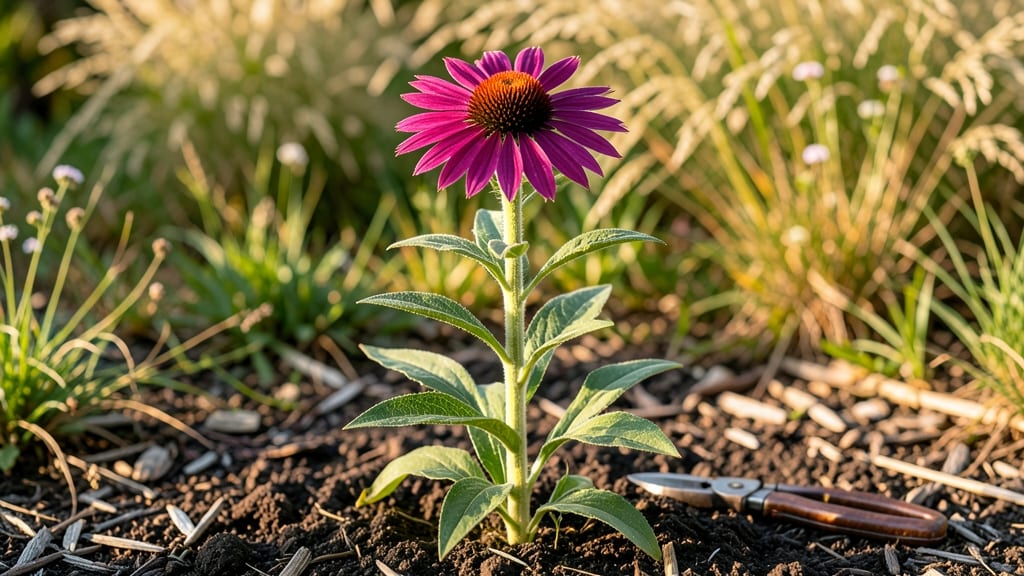
Perennial flowers in Zone 5 don't just survive winter—they come back stronger every spring. 🌱 I've learned that the right varieties transform my garden from a muddy patch in early spring to a burst of color by June, without the annual replanting hassle.
The secret lies in choosing plants that handle Zone 5's brutal winters and short growing seasons. Coneflowers, black-eyed Susans, and Russian sage become my go-to workhorses—they bloom reliably, spread over time, and need minimal care once established.
Even my first-year attempts with hardy peonies and daylilies proved me wrong about Zone 5 limitations. You'll end up with a garden that stays vibrant from early summer through fall, with many perennials pushing through snow to show their first green leaves by March. The best part?
Once planted, these flowers require less maintenance than annuals, saving you time and money year after year. For Zone 5 gardeners, this means fewer spring trips to the nursery and more time enjoying your garden's natural beauty.
Let's get those roots established properly so they can thrive through our cold winters.
📚 In This Guide
- What you need
- Instructions
- Tips and common mistakes
- Wrapping up and next steps
What you need
- ● Perennial flowers (Zone 5-hardy): 5–10 plants of Coneflower (Echinacea purpurea)
- ● 3–5 Black-eyed Susan (Rudbeckia hirta)
- ● 4–6 Daylilies (Hemerocallis spp.)
- ● 3–5 Russian Sage (Perovskia atriplicifolia)
- ● 2–4 Bee Balm (Monarda didyma)
- ○ Optional: Lavender (Lavandula angustifolia) or Sedum (Stonecrop)
- ● Soil amendments: 5 lbs compost (for enriching soil)
- ● 2 lbs organic mulch (e.g., shredded bark or straw)
- ○ Optional: Slow-release fertilizer (10-10-10) (1 lb per 10 sq ft)
- ● Tools: 1 garden trowel (for digging)
- ● 1 pruners (for trimming)
- ● 1 garden fork (for aerating soil)
- ● 1 watering can or hose (with adjustable nozzle)
- ○ Optional: Soil pH test kit (to check acidity/alkalinity)
- ● Sunlight: Choose a spot with full sun (6+ hours/day) or partial shade (3–6 hours), depending on the perennials.
- ● Well-draining soil: Avoid soggy areas—amend clay soil with sand or compost if needed.
- ● Timing: Plant bare-root perennials in early spring (March–April) or container-grown plants in fall (September–October).
- ● Water deeply 1–2 times per week after planting (adjust for rain).
- ● Patience: Most perennials take 1–2 years to reach full bloom—enjoy the journey! 🌸
How to select and plant perennial flowers for Zone 5 gardens
Here’s how to choose and establish cold-hardy perennials that return year after year with minimal fuss.
🌱 Step 1: Choose the Right Varieties for Zone 5
Focus on perennials known for thriving in Zone 5’s -20°F to -10°F winters, like coneflowers, black-eyed Susans, daylilies, and Russian sage. These plants naturally survive winter dormancy and bounce back strong each spring. Avoid tropical perennials or those labeled for warmer zones—they’ll die back to the ground or fail entirely.
Check plant tags for USDA Zone 5 hardiness or research varieties online. I always prioritize native plants (like purple coneflower or wild bergamot) because they’ve evolved to handle local winters without extra care. For extra insurance, select plants with thick stems or deep root systems—they store more energy for spring regrowth.
☀️ Step 2: Pick the Best Planting Locations
Most Zone 5 perennials need full sun (6+ hours daily) for best blooms, but a few (like astilbe or hostas) tolerate partial shade. Observe your yard’s sunlight patterns—morning sun is gentler than harsh afternoon rays, which can stress plants in summer. I always plant sun-lovers on the south or west side of structures and shade-tolerant plants under trees or near north-facing walls.
Soil matters just as much as sun. Amend heavy clay or sandy soil with 2-3 inches of compost before planting. Zone 5 soils often drain poorly in spring, so raised beds or mounded soil help prevent root rot. Test your soil’s pH—most perennials prefer 6.0 to 7.0, but blueberries (if you’re adding them) need 4.5 to 5.5.
🪴 Step 3: Plant at the Right Time and Depth
Spring or early fall (September) are the best times to plant perennials in Zone 5. Fall planting gives roots time to establish before winter, while spring planting avoids frost damage. Dig holes twice as wide as the root ball but only as deep as the container’s level—planting too deep suffocates roots. Loosen the root ball gently if it’s tightly packed, then place the plant in the hole.
Backfill with native soil (no amendments in the hole—this creates a nutrient pocket that encourages weak roots). Water deeply to settle the soil, then add 1-2 inches of mulch (like shredded bark) to retain moisture and regulate soil temperature. Avoid piling mulch against stems—keep it 2-3 inches away to prevent rot.
💧 Step 4: Water and Fertilize for First-Year Success
Newly planted perennials need consistent moisture for the first 2-3 weeks to encourage root growth. Water deeply 2-3 times per week (until soil is 6 inches deep and damp), then taper to 1 inch per week once established. Overwatering in Zone 5’s humid summers leads to fungal diseases, so water in the early morning to let foliage dry quickly.
Skip heavy fertilizers the first year—too much nitrogen promotes leafy growth at the expense of root development. Instead, apply a balanced, slow-release fertilizer (10-10-10) in early spring at ½ the recommended rate. In fall, top-dress with compost or a low-nitrogen fertilizer to build soil fertility for next year’s blooms.
✂️ Step 5: Prune and Maintain for Long-Term Health
Deadhead spent blooms in late summer to encourage second flushes of flowers and prevent self-seeding (unless you want more plants). In early spring, cut back last year’s stems to 2-3 inches above the ground for most perennials—this removes dead foliage and redirects energy to new growth. Exceptions include grasses and ornamental stalks, which add winter interest and should be left until late winter.
Divide clumps every 3-5 years when blooms become sparse or the center dies out. Early spring or fall are ideal times—dig up the plant, separate the roots with a knife, and replant the strongest sections. This rejuvenates perennials and prevents overcrowding. Mulch annually in late fall with 3-4 inches of organic mulch to insulate roots during winter.
Tips & tricks for planting cold-hardy perennials in Zone 5
These simple strategies will help your perennials thrive through Zone 5 winters and beyond.
Winter Survival Tip: When selecting perennials, look for those with thick stems and deep root systems—these features store more energy for spring regrowth. For example, Russian sage and coneflowers naturally handle Zone 5’s -20°F to -10°F winters because they’ve evolved with these conditions. I always double-check plant tags for USDA Zone 5 hardiness to avoid surprises.
Sunlight Strategy: Most perennials need 6+ hours of full sun daily for vibrant blooms, but morning sun is gentler than harsh afternoon rays. If your yard has limited sun, prioritize shade-tolerant varieties like astilbe or hostas for those areas. I’ve found that planting sun-lovers on the south or west side of structures maximizes their exposure without overheating in summer.
Soil Prep Secret: Zone 5 soils often drain poorly in spring, so I recommend amending heavy clay or sandy soil with 2-3 inches of compost before planting. For extra insurance, consider raised beds or mounded soil to prevent root rot. If you’re adding blueberries, test your soil’s pH—these need 4.5 to 5.5, while most perennials prefer 6.0 to 7.0.
Planting Depth Reminder: Dig holes twice as wide as the root ball but only as deep as the container’s level—planting too deep suffocates roots. I always loosen tightly packed root balls before placing them in the hole to encourage better soil contact. After backfilling with native soil (no amendments in the hole!), water deeply and add 1-2 inches of mulch to retain moisture without smothering stems.
Pro Tips for Perennial Flowers Zone 5
- These simple strategies will help your perennials thrive through Zone 5 winters and beyond.
- Winter Survival Tip: When selecting perennials, look for those with thick stems and deep root systems—these features store more energy for spring regrowth.
- Sunlight Strategy: Most perennials need 6+ hours of full sun daily for vibrant blooms, but morning sun is gentler than harsh afternoon rays.
Frequently asked questions
Got questions about growing perennials in Zone 5?
Here are answers to the most common ones to help you plan with confidence!
What’s the best time to plant perennials in Zone 5?
Plant perennials in early spring (April–May) or early fall (September–October). This gives roots time to establish before extreme cold or heat. Avoid planting in late summer—hot weather stresses young plants.
Which perennials are easiest for beginners in Zone 5?
Start with coneflowers, black-eyed Susans, daylilies, and hostas—they’re tough, low-maintenance, and bloom reliably. Russian sage and catmint also handle cold well and deter pests!
How do I protect perennials from harsh Zone 5 winters?
Mulch with 3–4 inches of straw or shredded leaves after the first frost to insulate roots. For tender perennials (like lavender), add a light burlap wrap or use cloche covers. Avoid heavy mulching in spring—it can smother emerging shoots.
Can I divide perennials in Zone 5? When’s the best time?
Divide perennials like hostas, peonies, or daylilies in early spring (April) or fall (September). Wait until the soil is workable but not frozen. Overcrowded plants benefit most—aim to split clumps when they’re 3–4 years old.
What if my perennials die back completely in winter?
Don’t panic! Many perennials (like bee balm or asters) go dormant but return in spring. If they don’t regrow by late May, check for heaving (frost damage) or rot (from soggy soil). Replace if needed—some varieties just aren’t cold-hardy enough.
Pro Tip:
Label your perennials with plant markers—Zone 5 winters can make identification tricky! Include the plant name and year planted to track growth and blooming patterns.
Wrapping up and next steps
Choosing the right perennial flowers for Zone 5 means embracing low-maintenance beauty that returns year after year—even through harsh winters! 🌸 From hardy coneflowers to resilient peonies, these plants prove that cold climates can still bloom with vibrant color and effortless charm.
Whether you're a seasoned gardener or just starting, your garden is ready to thrive with the perfect cold-hardy picks.
Now that you’re armed with the best varieties, take the next step—sketch a simple layout or grab your gardening tools! Start small with a few favorites, and watch your garden flourish with minimal effort. Happy planting! 🌱