
Planting
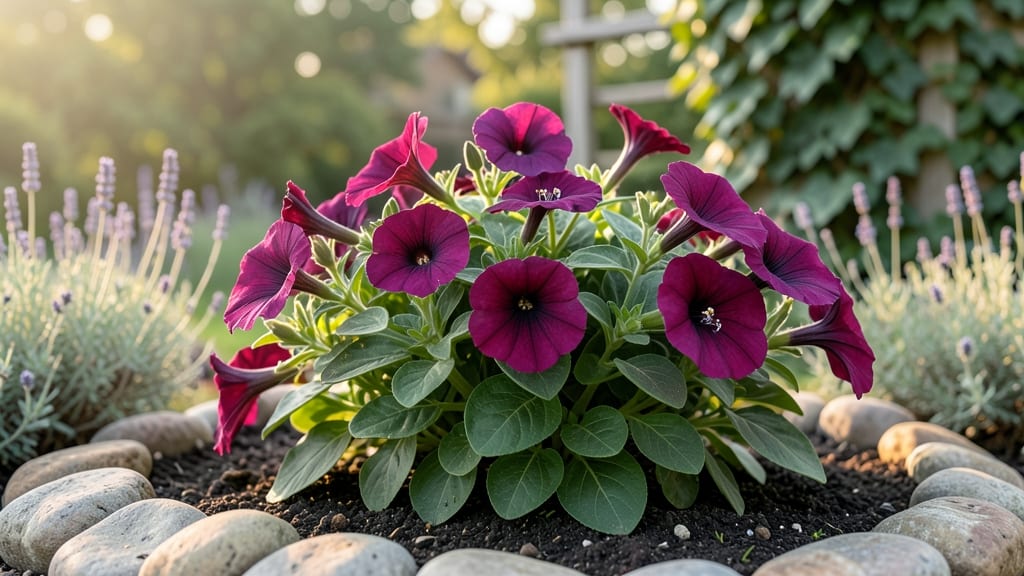
Understanding your petunia hardiness zone is key—while they flourish in zones 5 through 11, their cold tolerance varies wildly by type. 🌸 I’ve grown them in zone 6 for years, and the secret to extending their... their season isn’t just about hardiness—it’s about timing, protection, and choosing the right types for your climate.
Annual petunias (the most common) need warm soil to germinate and can’t survive frost, but supertunias and wave petunias stretch their season with heat tolerance and mildew resistance.
In cooler zones, start seeds indoors 6-8 weeks before last frost and use containers—you can move them indoors or under row covers when nights dip below 50°F.
With the right care, you’ll enjoy blooms from early summer until first frost, even in zone 5. Mulch heavily to protect roots, water consistently (they hate soggy soil), and deadhead spent blooms to encourage nonstop flowers.
The payoff? Petunias that look like they’ve been growing all year, not just a fleeting summer splash.
For zones 10-11, the challenge shifts—heat stress becomes the enemy. Provide afternoon shade, water deeply in the morning, and choose heat-tolerant varieties like ‘Mitchell’ or ‘Cascadia.’ No matter your zone, petunias reward minimal effort with bold colors and zero fuss—once you master their quirks.
📚 In This Guide
- What you need
- Instructions
- Tips and common mistakes
- Wrapping up and next steps
What you need
- ● Petunia Seeds or Seedlings: Choose varieties suited to your hardiness zone (e.g., Petunia × hybrida for zones 5-11).
- ● Quantity: 10-20 seeds (or 6-12 seedlings per container) for a vibrant display.
- ● Well-Draining Potting Mix: 1 bag (1-2 cubic feet) of lightweight, organic mix (e.g., 60% peat moss, 30% perlite, 10% compost).
- ● Pro tip: Avoid heavy garden soil—petunias hate soggy roots! 🌡️
- ● Containers or Garden Beds: For containers: 5-7" diameter pots (1 plant per pot) or hanging baskets (3-4 plants per basket).
- ● For garden beds: Full sun exposure (6+ hours daily) and loose, fertile soil.
- ● Fertilizer: Balanced water-soluble fertilizer (10-10-10 or 20-20-20 NPK ratio).
- ● Apply every 2-4 weeks during the growing season.
- ● Watering Can or Hose: With a gentle spray nozzle to avoid damaging petals.
- ● Gloves & Pruners: For deadheading (removing spent blooms) and light pruning.
- ● Mulch: 1-2" layer of organic mulch (e.g., straw or shredded bark) to retain moisture.
- ● Slow-Release Fertilizer Pellets: Mix into soil at planting for 3-4 months of nutrients.
- ● Support Stakes: For trailing varieties (e.g., Petunia 'Wave' series), use lightweight trellises.
- ● Plant Ties: Soft fabric ties to secure tall varieties in windy zones.
- ● Cold Frame or Row Covers: For zones 5-7, protect seedlings from late frosts.
How to select and care for petunias across all hardiness zones
Petunias thrive in zones 5 through 11—but their care shifts dramatically depending on where you live. Here's how to pick the right varieties and protect them year-round.
🌱 Step 1: Choose Varieties Based on Your Zone
Petunias fall into two main hardiness categories: annuals (zones 5-10) and perennials (zones 11 only). For cooler zones, opt for Supertunia or Wave series—they tolerate light frosts better than standard types. In zone 11, Petunia axillaris (native to South America) thrives year-round with minimal winter protection.
Look for compact varieties in zones 5-7 where cold snaps are common—they recover faster from temperature swings. In zones 8-10, trailing types like 'Tumbling Waters' excel in hanging baskets where they get afternoon shade. Always check seed packets for zone-specific notes; some "heat-tolerant" strains (like 'Mitchell') specify zones 9-11.
☀️ Step 2: Adjust Planting Time by Zone
In zones 5-7, wait until after your last frost date (usually mid-May to early June) and use black plastic mulch to warm the soil. Plant 6-8 weeks before your first fall frost to extend blooms into October. In zones 8-10, you can plant year-round but avoid summer heatwaves—start seeds in late spring for fall color.
For zone 11 perennials, plant in early fall (September-October) so roots establish before summer rains. Here's the key: water deeply at planting (until soil is 2 inches damp) and add 2 inches of mulch to retain moisture. In cooler zones, use straw mulch—it insulates better than wood chips during freeze-thaw cycles.
💧 Step 3: Modify Watering for Extreme Climates
Zones 5-7 need consistent moisture—petunias wilt quickly in dry soil. Water early morning (before 8 AM) to prevent fungal diseases from evening dampness. In zones 9-11, drip irrigation is a must: overhead watering causes powdery mildew in humid heat. Always check soil 1 inch deep—if it's dry, water until it's evenly moist (not soggy).
In zone 11, reduce watering in summer monsoons—petunias rot faster in waterlogged soil. Here's a trick: water at the base only, avoiding leaves. For zones 5-7, add a handful of slow-release fertilizer at planting and again in mid-July to boost cold tolerance. In hotter zones, use liquid fertilizer every 2 weeks—petunias burn easily in intense sun.
✂️ Step 4: Protect Petunias in Marginal Zones
Zones 5-7 require winter prep: cut back plants to 2 inches tall after first frost, then cover with 4-6 inches of straw mulch. Add burlap wraps around pots in zone 6 if temperatures dip below 20°F. In zone 8, move container petunias to a sheltered porch during cold snaps—even 30°F can damage tender varieties.
For zone 11 perennials, prune lightly in early spring to encourage bushiness. Avoid heavy cuts—these plants bloom on new growth. In all zones, deadhead spent blooms weekly to prevent seed formation and extend flowering. The exception? Let one flower per stem go to seed in zone 11—this ensures next year's perennials self-sow naturally.
⏰ Step 5: Extend the Season with Smart Techniques
In zones 5-7, plant heat-loving varieties like 'Easy Wave Red' in south-facing beds—they handle afternoon sun better. For zones 8-10, use shade cloth (30-50%) in peak summer to prevent leaf scorch. In zone 11, succession plant every 6 weeks for continuous blooms—petunias here grow year-round if given even moisture.
Here's the secret to longevity: rotate planting locations every year. Petunias deplete soil nutrients quickly, and compacted roots reduce cold hardiness. In containers, replace half the soil annually with fresh potting mix. For in-ground plants, amend with compost before replanting—this boosts their resilience to temperature shifts.
Tips & tricks for thriving petunias across hardiness zones
These practical insights will help you navigate the unique challenges of growing petunias from zone 5 through 11 with confidence.
Variety Selection Strategy: Pay attention to the specific hardiness labels on seed packets—terms like "heat-tolerant" or "cold-resistant" aren't just marketing. For zones 5-7, I always choose Supertunia or Wave series because their compact growth habit recovers better from cold snaps. In zone 11, the native Petunia axillaris is your best bet for year-round blooms with minimal winter care. The key difference? Annual varieties need seasonal replacements, while perennials in zone 11 establish permanent root systems.
Planting Timing Secrets: The 6-8 week window before your first fall frost is critical for extending your blooming season in cooler zones. I recommend checking your local frost dates and marking them on a calendar—this gives you a precise countdown. For zone 11 perennials, early fall planting (September-October) prevents summer heat stress while allowing roots to establish before the rainy season. The 2-inch deep watering at planting is non-negotiable—it establishes the root zone immediately, which is especially important in sandy soils common to many zone 11 areas.
Zone-Specific Watering Techniques: The early morning watering rule in zones 5-7 prevents fungal diseases that thrive in evening dampness, but this doesn't translate to hotter zones. In zones 9-11, I've seen powdery mildew completely wipe out petunia beds when overhead watering is used during humid afternoons. The base-only watering trick in zone 11 during monsoons saves countless plants from root rot—water only until the soil is evenly moist, not soggy. And that mid-July fertilizer boost for cooler zones? It's what helps them push through the summer heat to bloom into October.
Winter Protection Hacks: The 20°F threshold for burlap wraps around zone 6 pots is absolute—below this temperature, even the hardiest petunias will suffer. I've learned this the hard way after losing entire containers during unexpected cold snaps. For zone 8 container growers, moving plants to sheltered porches during 30°F nights can mean the difference between survival and loss. And that 4-6 inch straw mulch layer? It's not just about insulation—it also prevents soil heaving during freeze-thaw cycles that can uproot tender plants.
Pro Tips for Petunia Hardiness Zone
- These practical insights will help you navigate the unique challenges of growing petunias from zone 5 through 11 with...
- Variety Selection Strategy: Pay attention to the specific hardiness labels on seed packets—terms like "heat-tolerant"...
- Planting Timing Secrets: The 6-8 week window before your first fall frost is critical for extending your blooming sea...
Frequently asked questions
Got questions about growing petunias in different hardiness zones? You’re not alone! Here are answers to the most common concerns—so you can keep your blooms happy, no matter where you garden.
Can petunias survive winter in cold climates (zones 5-7)?
Petunias are annuals and won’t survive freezing temps (below 25°F/-4°C). In zones 5-7, plant them in spring after the last frost, or grow them as potted plants to bring indoors before winter. For year-round color, try Petunia × hybrida varieties like ‘Wave’ or ‘Supertunia,’ which bloom prolifically in containers.
What’s the best time to plant petunias in zone 8-11?
In warmer zones (8-11), plant petunias after the soil warms to 60°F (15°C)—typically late March to May. In zone 11, you can even start them in fall (Sept-Oct) for winter blooms. Avoid planting too early; cool soil can stunt growth. Pro tip: Use mulch to retain moisture and protect roots from heat stress!
Are there petunia varieties that tolerate heat better than others?
Yes! Heat-tolerant varieties like ‘Mitchell’ or ‘Cascadia Series’ thrive in zones 9-11. Look for heat-resistant hybrids with dark green foliage (they photosynthesize better). Avoid pale-leaved varieties—they wilt faster in intense sun. Bonus: Deadhead spent blooms to encourage more flowers in hot climates!
Why do my petunias die in zone 5 after the first frost?
Petunias are frost-sensitive, but poor drainage or overwatering can also kill them. In zone 5, dig up tubers (if growing from seed) or cut back plants before the first frost. Store tubers in dry peat moss at 40°F (4°C) until spring. If leaves yellow or stems rot, check for fungal diseases—improve airflow and avoid overhead watering.
What’s a cold-hardy alternative to petunias for zones 4-5?
Try violas (pansies) or calibrachoas—they tolerate cooler temps (down to 20°F/-7°C) and bloom well in containers. For perennials, coleus or heuchera add color without annual replanting. Pro tip: Mix petunias with snapdragons for a longer-season display in zone 5!
Wrapping up and next steps
Petunias may be tender perennials, but with the right variety and a little care, they can thrive in hardiness zones 5 through 11—whether as annuals or short-lived perennials.
From frost-tolerant Petunia axillaris to heat-loving hybrids, there’s a petunia for nearly every climate. 🌱 Now that you’re armed with the best picks for your zone, why not plant a few this weekend?
Start small—try a wave petunia in a hanging basket or a grandiflora in your garden bed—and let their vibrant blooms brighten your space. Happy gardening! ✨