
Container Gardens
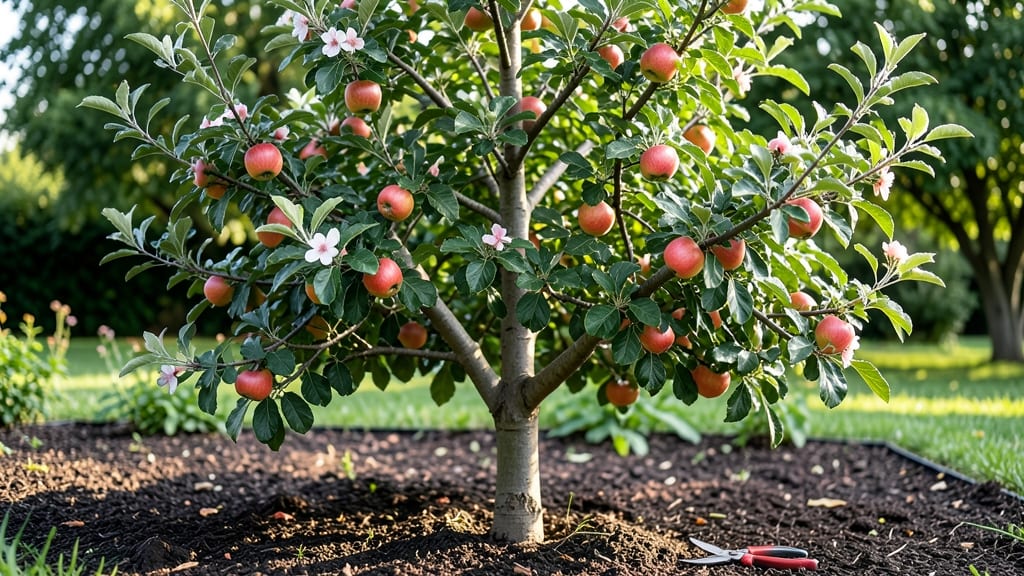
Growing Pink Lady apple trees thrives best in USDA zones 5-8, where winter chill and summer warmth align perfectly for those signature crisp, tangy fruits. 🌿 I learned this the hard way—planting one in zone 4 meant frost-damaged blossoms every spring, while my zone 7 tree now produces bushels of perfect apples.
The key isn’t just the zone number but understanding how your local microclimate affects temperature swings and frost pockets.
These trees demand full sun (6-8 hours daily) and well-draining soil with a pH between 6.0 and 7.0—think sandy loam amended with compost.
In colder zones (5-6), choose dwarf varieties like ‘Urban Apple’ to protect blossoms from late frosts, while standard trees in zones 7-8 can handle heavier pruning to manage size. My zone 6 tree needed winter mulch to survive the first two winters, but now it’s thriving with minimal extra care.
You’ll know you’ve nailed it when blossoms appear in early spring and apples develop their signature rosy blush by late summer. The first harvest is always a game-changer—juicy, sweet-tart slices straight from the tree, with enough left to make homemade cider.
Just watch for apple scab in humid zones (7-8) and fire blight in cooler areas (5-6), both of which I’ve battled but now prevent with copper sprays and proper spacing.
Whether you’re in the Pacific Northwest’s mild winters or the Midwest’s sharp freezes, the right variety and a little extra winter protection make all the difference.
Start with certified disease-free trees, and you’ll be enjoying Pink Lady apples for decades—just like my neighbor who’s had the same tree since the 1980s. The secret? Patience and paying attention to your local growing conditions.
📚 In This Guide
- What you need
- Instructions
- Tips and common mistakes
- Wrapping up and next steps
What you need
- ● Pink Lady apple tree sapling: Choose a Malus domestica 'Pink Lady' (Cripps Pink) from a reputable nursery. Opt for a 1-3 year old tree for best results.
- ● Growing location: For in-ground planting: A sunny spot (6+ hours of direct sunlight daily) with well-draining soil (pH 6.0–7.0).
- ● For container growing: A 15–25 gallon pot (minimum) with drainage holes. Use a self-watering container for convenience.
- ● Soil: In-ground: Amend native soil with compost (2–3 inches) and organic matter (e.g., aged manure or peat moss).
- ● Container: Use a high-quality potting mix blended with perlite or sand (20% ratio) for aeration.
- ● Fertilizer: Balanced fertilizer (10-10-10 or 20-20-20): Apply ½ cup per tree at planting, then monthly during spring/summer.
- ● Organic options: Fish emulsion or compost tea for a natural boost.
- ● Mulch: 2–3 inches of wood chips or straw to retain moisture and regulate soil temperature.
- ● Watering supplies: Drip irrigation system (recommended for containers) or a watering can with a long spout.
- ● Hose with adjustable nozzle for deep watering.
- ● Support: Staking: 3–4 bamboo stakes (1-inch diameter) + tree ties for young trees (first 2 years).
- ○ Cage or trellis (optional): For container trees to manage growth.
- ● Pruning tools: Bypass pruners (for branches loppers (for thicker branches).
- ● Pest control: Neem oil or horticultural oil for aphids/mites. Row covers to protect blossoms from pests.
- ● Soil tester kit: To monitor pH and nutrient levels.
- ● Pollination aid: A small paintbrush (if hand-pollinating in containers).
- ● Winter protection (for containers): Burlap wrap or tree blanket for cold climates (Zone 5 or below).
How to choose the best growing Zone for a Pink Lady apple tree
Here's how I select the perfect spot to grow these stunning, flavor-packed trees—no matter where you live.
🌱 Step 1: Check Your USDA Hardiness Zone
Pink Lady apple trees thrive best in USDA Zones 5-8, where winters stay below 32°F but above -15°F. Start by locating your zone using the USDA Plant Hardiness Zone Map—just enter your ZIP code. Most growers in Zones 5-6 need winter protection, while Zones 7-8 can grow them without fuss.
Here's the thing—if you're on the cooler edge (Zone 5), plant against a south-facing wall or fence. The extra warmth helps the tree establish roots before winter sets in. I always double-check my local microclimate, too—valleys can be colder than hilltops by 5-10°F, and that makes a huge difference for fruit production.
☀️ Step 2: Select a Sunny Location With Good Airflow
Pink Lady trees demand full sun—at least 6-8 hours daily—for optimal fruit development. I look for spots where the tree gets morning sun and afternoon shade if temperatures exceed 90°F, especially in Zones 7-8. The fruit needs sunlight to develop its signature sweet-tart flavor, so don't skimp on exposure.
Airflow matters just as much as sun. Plant your tree 20-30 feet away from buildings or fences to prevent fungal diseases like apple scab. I've seen trees in tight spaces develop poor fruit quality because of trapped moisture. If space is limited, prune neighboring plants to improve circulation—this keeps your tree healthy and productive.
🪴 Step 3: Test Soil Drainage and pH
Pink Lady trees hate soggy roots, so test your soil's drainage before planting. Dig a 12-inch hole, fill it with water, and time how long it takes to drain. If water lingers beyond 2 hours, amend the soil with 3-4 inches of compost or plant on a slight mound. Well-draining soil prevents root rot and ensures strong growth.
The ideal pH for Pink Lady trees is 6.0-7.0. Grab a soil test kit from your local garden center—it's cheap and saves headaches later. If your soil is too acidic (below 6.0), mix in lime according to the kit's instructions. Too alkaline (above 7.0)? Add sulfur or peat moss to lower the pH. Balanced soil means better nutrient uptake and sweeter fruit.
⏰ Step 4: Time Planting for Seasonal Success
Plant your Pink Lady tree in early spring, just as buds begin to swell but before leaves emerge. This gives roots 4-6 weeks to establish before summer heat arrives. In warmer climates (Zones 7-8), you can also plant in late fall, but avoid planting in summer—heat stress slows root growth and weakens the tree.
If you're in Zone 5 or colder, wait until after the last frost date—usually mid-to-late April in most regions. I always check the 10-year frost average for my area to avoid surprises. Planting at the right time ensures your tree starts strong and resists winter damage, setting you up for perfect blooms next spring.
✂️ Step 5: Plan for Winter Protection in Cold Zones
Trees in Zones 5 and cooler need winter protection to survive freezing temperatures. Wrap the trunk with tree guard or burlap in late fall, then add a 4-6 inch layer of mulch around the base (but keep it 6 inches away from the trunk). This insulates roots and prevents temperature swings that can crack bark.
For extra security, I install a tree wrap around the trunk to protect it from sunscald in winter. In severe winters (below 0°F), add a breathable frost blanket over the canopy if snow cover is light. The goal is to mimic natural winter conditions—just enough protection to keep the tree alive without smothering it. With the right care, your Pink Lady will reward you with perfect blooms and delicious fruit year after year.
Tips & tricks for perfect Pink Lady apple tree placement
These little details make all the difference between a thriving Pink Lady tree and one that struggles—trust me, I've seen both!
Microclimate Matters: While the USDA zones guide you, your specific yard conditions can shift things by 5-10°F. Check for south-facing slopes, protected valleys, or urban heat islands that might bump you up a zone. I once had a Zone 5 tree survive unprotected because it sat in a microclimate that felt more like Zone 6. A simple walk around your property with a thermometer can reveal these hidden pockets of warmth.
Sunlight Strategy: The 6-8 hours of full sun isn't just about duration—it's about quality. If your tree gets morning sun but afternoon shade, that's perfect for Zones 7-8 where temperatures often exceed 90°F. The afternoon shade prevents sunburn while still giving the fruit enough light to develop its signature flavor. I've noticed trees in full afternoon sun often develop a duller color and less sweetness.
Soil Test Timing: Don't wait until planting day to test your soil! The 2-hour drainage test should be done in the fall before your first frost. This gives you time to amend the soil properly with 3-4 inches of compost or adjust pH levels. I learned this the hard way—planting in unamended soil led to root rot in my first attempt. The 6.0-7.0 pH range is non-negotiable for nutrient uptake, so test early and adjust with lime or sulfur as needed.
Winter Protection Hack: For Zone 5 growers, the 4-6 inch mulch layer around the base works wonders, but here's the secret: add a 6-inch layer of straw on top of the mulch in late fall. This extra insulation prevents temperature swings that can crack bark. I've seen trees with proper winter protection produce fruit even in years with -10°F temperatures—something that would kill unprotected trees.
Pro Tips for Pink Lady Apple Tree Growing Zone
- These little details make all the difference between a thriving Pink Lady tree and one that struggles—trust me, I've seen both!
- Microclimate Matters: While the USDA zones guide you, your specific yard conditions can shift things by 5-10°F.
- Sunlight Strategy: The 6-8 hours of full sun isn't just about duration—it's about quality.
Frequently asked questions
about growing Pink Lady apple trees in the right zones—plus troubleshooting tips to keep your orchard thriving!What are the best USDA hardiness zones for a Pink Lady apple tree?
A Pink Lady (Cripps Pink) thrives in USDA Zones 5-8. While it can survive brief dips to 10°F (-12°C), younger trees need winter protection in colder microclimates (Zone 5). For container growing, extend its range to Zone 6+ with winter wraps and heat mats.
When should I plant a Pink Lady apple tree for best results?
Plant bare-root trees in late winter or early spring (before buds swell) or fall (6-8 weeks before frost). Container-grown trees can be planted year-round, but avoid extreme heat (90°F+ / 32°C+). Pro tip: Soak roots for 1-2 hours before planting to reduce transplant shock!
Can I grow a Pink Lady apple tree in a container? How big should the pot be?
Yes! Use a 15-20 gallon pot (minimum 24" diameter) with drainage holes and well-draining soil. Dwarf varieties (like M.9 rootstock) work best. Move containers indoors or to a garage during winter if temps drop below 20°F (-7°C). Prune roots annually to prevent circling.
Why are my Pink Lady apples small or misshapen? How can I fix it?
Small/misshapen fruit often signals poor pollination, nutrient deficiency, or overcrowding. Ensure you plant a second compatible variety (e.g., Gala or Granny Smith) nearby. Thin fruit clusters to 6-8 inches apart early in the season. Check soil pH (6.0-6.5) and fertilize with balanced 10-10-10 in spring.
How do I protect my Pink Lady tree from late spring frost?
Cover blossoms with frost cloth or row covers when temps dip below 28°F (-2°C). Avoid plastic sheets (they trap heat). For container trees, move them to a sheltered spot (e.g., against a south-facing wall). Warning: Frost after bloom = lost fruit. Monitor forecasts and act fast!
Are there disease-resistant Pink Lady apple tree alternatives?
While Pink Lady is prone to scab and fire blight, consider disease-resistant varieties like Liberty or Enterprise (both Zone 5-8). For containers, Columnar Pink Lady (narrower growth) reduces fungal risk. Always choose certified disease-free nursery stock and practice 3-year crop rotation if growing in the same spot.
Wrapping up and next steps
Growing a Pink Lady apple tree is a rewarding journey—especially when you’ve matched your location to the perfect growing zone! 🌱 With the right care, soil, and climate awareness, you’ll be enjoying sweet, crisp apples in no time.
Whether you’re planting in containers or the ground, remember: patience and attention to detail are key.
Now that you’re armed with zone knowledge, take the next step—order your tree, prep your space, and get ready for a bountiful harvest! Happy gardening! 🍎✨