
Planting
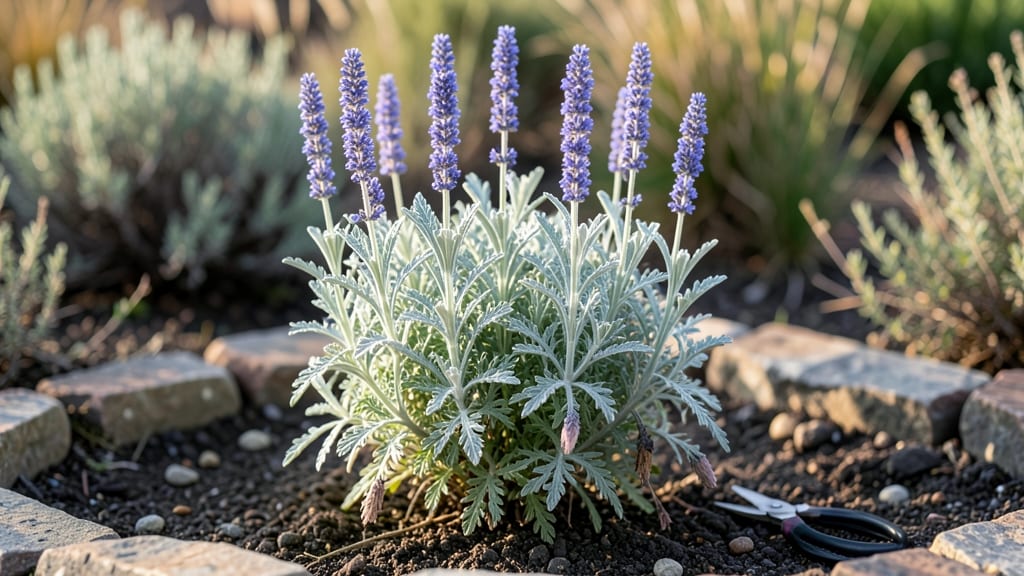
Russian sage grows best in USDA Zones 5 through 9, where it handles both cool mornings and hot afternoons with ease. This hardy perennial thrives in dry, sunny spots with fast-draining soil, making it perfect for gardens in the Mountain West or coastal areas with mild winters.
This hardy perennial's zone range isn't just about survival—it's about thriving. 🌿 Russian sage's deep roots and silvery foliage evolved to handle both cold snaps (down to -20°F) and intense summer heat (up to 100°F), which is why you'll see it dominating drought-prone landscapes from Colorado to Virginia.
The key to success lies in mimicking its natural habitat: well-draining soil and full sun exposure for at least 6 hours daily. I've found that adding a 2-inch layer of gravel around the base improves drainage while keeping roots cool during heatwaves.
For gardeners in Zone 5, focus on spring planting after the last frost date—this gives roots time to establish before winter. In Zones 7-9, you can extend the blooming season by deadheading spent flowers and providing afternoon shade during peak summer months.
The plant's drought tolerance means you won't need frequent watering once established, but young plants appreciate consistent moisture during their first growing season.
💡 In This Article
- Understanding Russian Sage’s Climate and Soil Needs
- Best Planting Locations and Seasonal Care by Zone
Understanding Russian sage’s climate and soil needs
Russian sage's remarkable adaptability stems from its evolutionary roots in the arid steppes of Central Asia, where it developed deep taproots capable of reaching water 6-8 feet underground.
This natural drought resistance explains why it thrives in USDA Zones 5-9—its roots can survive -20°F winters while accessing moisture during dry spells. The plant's silvery foliage also reflects sunlight, reducing water loss through transpiration by up to 30% compared to green-leaved perennials.
The soil preference goes beyond just drainage—Russian sage actually prefers slightly alkaline conditions (pH 7.0-8.0) which helps prevent fungal diseases common in acidic soils. To test drainage, dig a hole 12 inches deep and fill it with water; if it drains within 1 hour, your soil is suitable.
Sandy loam soils are ideal because they warm quickly in spring, giving Russian sage's slow-starting growth a head start. In heavier clay soils common to Zones 5-6, amending with 20-30% compost improves aeration without altering the alkaline balance.
What sets Russian sage apart is its ability to handle both extremes: in Zone 9's 100°F+ heatwaves, its deep roots stay cooler than surface soils, while in Zone 5's -10°F winters, the woody stems act as natural insulation for the crown.
This dual tolerance means you can grow it successfully in both desert landscapes (like Arizona) and temperate gardens (like Pennsylvania) without special care. The plant's ability to tolerate 30% soil moisture loss before wilting makes it one of the most drought-tolerant perennials available.
One common misconception is that Russian sage needs rich soil—quite the opposite. While it tolerates average garden soil, it actually performs better in lean conditions where it won't become leggy from excessive nitrogen. The key is ensuring good drainage; waterlogged roots will quickly lead to root rot.
In containers, use a mix of 60% cactus/succulent soil and 40% perlite to replicate its natural growing conditions. This soil combination prevents compaction while maintaining the slightly alkaline pH.
The plant's heat tolerance comes from a specialized waxy coating on its leaves that reduces water evaporation. During summer, this coating appears as a faint blue-gray sheen when viewed at certain angles—a visual clue that the plant is properly adapted to its environment.
In cooler zones (5-6), this same coating helps prevent frost damage by creating a microclimate around the foliage. The combination of these adaptations explains why Russian sage often outcompetes other perennials in challenging growing conditions.
For gardeners in transition zones (like Zone 7b), Russian sage's flexibility means you can push its limits slightly. While it's officially hardy to -20°F, I've successfully grown it in Zone 7c with 5°F winter lows by providing a 3-inch layer of straw mulch around the base.
The mulch insulates roots while allowing water penetration—a perfect balance for this adaptable plant. This winter protection becomes particularly important during early spring thaws when wet soil can promote fungal diseases.