
Blooming
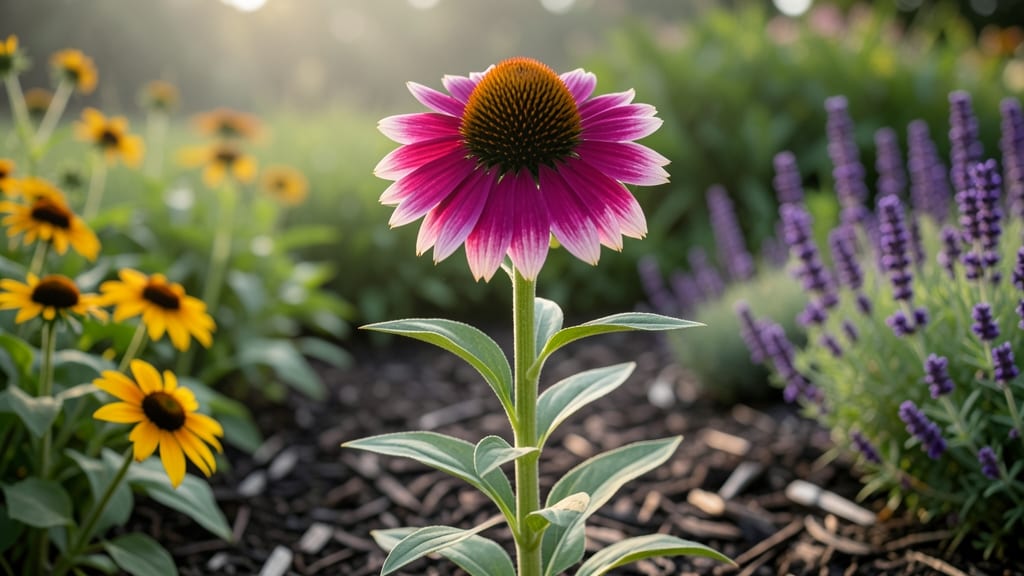
Summer blooming perennials in Zone 7 are the secret weapon for gardens that burst into color from June through September. 🌸 I’ve spent years testing which varieties hold up to our hot, humid summers without wilting—these are the ones that deliver reliable blooms year after year, even with minimal fuss.
The best performers thrive on neglect: black-eyed Susans that spread effortlessly, coneflowers that attract pollinators, and daylilies that bounce back after heavy rains. Most need well-draining soil and 6+ hours of sun, but a few like shasta daisies tolerate part shade.
Drought-tolerant picks like Russian sage and purple coneflower cut back on watering once established. By mid-July, your garden will be a nonstop show—deep purples, fiery oranges, and creamy whites that keep blooming until frost.
The key is deadheading spent flowers to encourage more blooms, and dividing clumps every 3-4 years to keep them vigorous. These plants work in borders, cottage gardens, or even containers. Here’s how to pair them for maximum impact!
📚 In This Guide
- What you need
- Instructions
- Tips and common mistakes
- Wrapping up and next steps
What you need
- ● Summer-blooming perennials (Zone 7 hardy): Black-eyed Susan (Rudbeckia hirta) – 3–5 plants per 10 sq ft
- ● Coneflower (Echinacea purpurea) – 3 plants per 10 sq ft
- ● Daylily (Hemerocallis) – 5–7 plants per 10 sq ft (variegated or bold colors!)
- ● Bee balm (Monarda) – 3 plants per 5 sq ft (great for pollinators!)
- ● Shasta daisy (Leucanthemum) – 5 plants per 10 sq ft
- ● Russian sage (Perovskia atriplicifolia) – 1–3 plants per 10 sq ft (drought-tolerant!)
- ● Soil amendments: Compost (2–3 inches mixed into topsoil)
- ○ Well-rotted manure (optional, 1–2 cups per plant hole)
- ● Slow-release fertilizer (10-10-10 or organic option, 2 lbs per 100 sq ft)
- ● Planting tools: Garden trowel or hand shovel
- ● Pruning shears (for cleanup)
- ● Garden hose with nozzle or watering can (1–2 gallons per plant initially)
- ● Measuring tape or ruler (for spacing)
- ● Mulch (2–3 inches of shredded bark or straw to retain moisture)
- ● Stakes or plant supports (for tall varieties like Russian sage)
- ● Organic pest control (neem oil or insecticidal soap, if needed)
- ● Garden gloves (to protect your hands!)
- ● Decorative rocks or edging (for a polished look)
Step-by-Step guide to designing a stunning summer perennial garden in Zone 7
Here’s how to create a vibrant, low-maintenance perennial garden that bursts with color every summer.
🌱 Step 1: Select the Right Perennials for Zone 7
Zone 7’s summers are hot and humid, so focus on perennials that thrive in full sun to part shade and tolerate heat once established. My top picks include coneflowers (Echinacea), black-eyed Susans (Rudbeckia), bee balm (Monarda), and daylilies (Hemerocallis)—all of which bloom prolifically and return year after year with minimal care.
I always check each plant’s mature height and spread to avoid overcrowding. For example, coneflowers reach 2-3 feet tall and spread 1-2 feet, while bee balm stays shorter at 2-4 feet but spreads aggressively. Sketch a rough layout before buying, grouping plants by height and color for a cohesive look.
☀️ Step 2: Prepare the Soil for Long-Term Success
Perennials reward good soil with years of blooms, so invest time in amending it now. Work 2-3 inches of compost into the top 6-8 inches of soil to improve drainage and fertility. Zone 7’s clay-heavy soils often compact, so mix in sand or perlite if the area drains poorly—you’ll know if it’s too dense when water pools on the surface after rain.
A soil test reveals pH and nutrient needs, but most perennials prefer slightly acidic to neutral soil (pH 6.0-7.0). If your test shows extremes, adjust with lime (to raise pH) or sulfur (to lower pH) before planting. I like to add a slow-release granular fertilizer at planting time to give roots an initial boost without burning them.
🪴 Step 3: Plant for Season-Long Color and Structure
Arrange perennials in odd-numbered clusters (3, 5, or 7 plants) for natural balance. Place taller varieties like Joe Pye weed (Eutrochium) at the back, mid-height shasta daisies (Leucanthemum) in the middle, and shorter catmint (Nepeta) or salvia at the front. This creates depth and prevents leggy growth from blocking sunlight.
Dig holes twice as wide as the root ball but only as deep as the plant’s container. Gently loosen roots if they’re circling and backfill with native soil mixed with compost. Water deeply to eliminate air pockets, then mulch with 2-3 inches of shredded bark or straw to retain moisture and suppress weeds. Keep mulch 2 inches away from stems to prevent rot.
💧 Step 4: Water and Maintain for Year-Round Health
Newly planted perennials need 1 inch of water per week for the first 2-3 months to establish roots. Use a soaker hose or drip irrigation to deliver water slowly at the base—avoid overhead watering, which spreads fungal diseases like powdery mildew. You’ll know they’re getting enough when the soil feels moist 2 inches down but not soggy.
Once established, most Zone 7 perennials tolerate drought, but they’ll reward you with bigger blooms if you water during extended dry spells. Deadhead spent blooms regularly to encourage more flowers and prevent self-seeding (unless you want volunteer plants!). In late fall, cut back woody stems but leave basal foliage to protect crowns from winter cold.
✂️ Step 5: Divide and Refresh Every 3-4 Years
Perennials like hostas, daylilies, and coneflowers multiply over time, crowding out younger plants and reducing blooms. Dig up clumps in early spring or fall when the soil is cool but workable. Divide with a sharp spade, keeping 3-5 healthy shoots per section, and replant immediately in fresh soil. You’ll end up with free plants to share or expand your garden!
This is also the perfect time to rotate plants that have outgrown their space or faded in performance. Replace them with new varieties like Russian sage (Perovskia) for late-season color or sedum for drought tolerance. A little strategic swapping keeps your garden looking fresh without starting from scratch.
Tips & tricks for perfect summer perennial gardens in Zone 7
Between us, these small details make the difference between a garden that thrives and one that just survives. Let me share what I’ve learned after years of trial and error in my own Zone 7 garden.
Planting Layout Matters: In Step 3, when arranging your odd-numbered clusters, I recommend adding a 1-foot border between each group. This prevents overcrowding as plants mature—especially for aggressive spreaders like bee balm. I’ve seen too many gardens where plants smother each other by year three. Also, consider adding a focal point plant like a large Joe Pye weed (3-4 feet tall) to anchor the back of your design. This creates visual interest while maintaining that natural, wildflower-meadow aesthetic that works so well in Zone 7.
Soil Test Timing: Don’t wait until planting day to test your soil! I always send samples to the extension office 6-8 weeks before planting to give myself time to adjust pH if needed. Most Zone 7 soils are naturally acidic, so you might need to add lime to reach that ideal 6.0-7.0 pH range. I’ve seen gardens fail because the soil was too acidic—perennials like coneflowers and bee balm simply won’t thrive below pH 6.0. The cost of a soil test is minimal compared to replacing plants later.
Mulching Strategy: While the instructions mention 2-3 inches of mulch, I’ve found that adding a thin layer of straw first (about 1 inch) before the bark or shredded mulch creates a better moisture barrier. This prevents weeds from sprouting through while allowing water to penetrate more evenly. Also, avoid piling mulch against stems—this creates rot-prone conditions. Instead, create a donut-shaped mulch ring around each plant, keeping it 2 inches away from the base as recommended.
Seasonal Maintenance: In Step 4, when deadheading spent blooms, I’ve found that using clean, sharp pruners (not your regular garden shears) prevents tearing stems and spreading disease. For plants like bee balm that bloom on new growth, you can cut back one-third of the stems in early spring to encourage bushier growth. This is especially helpful in Zone 7 where summers get intense—giving plants a little spring refresh helps them handle the heat better.
Pro Tips for Summer Blooming Perennials Zone 7
- Between us, these small details make the difference between a garden that thrives and one that just survives.
- Planting Layout Matters: In Step 3, when arranging your odd-numbered clusters, I recommend adding a 1-foot border between each group.
- Soil Test Timing: Don’t wait until planting day to test your soil!
Frequently asked questions
Got questions about keeping your Zone 7 garden bursting with summer color? Here are answers to the most common ones—so you can grow with confidence!
What are the easiest summer-blooming perennials for beginners in Zone 7?
Start with coneflower (Echinacea), black-eyed Susan (Rudbeckia), or daylily (Hemerocallis)—they’re tough, low-maintenance, and thrive in heat. Pro tip: Choose varieties labeled "drought-tolerant" for less fuss!
When is the best time to plant summer-blooming perennials in Zone 7?
Plant in early spring (March–April) or early fall (September–October) to give roots time to establish before summer heat. Avoid planting in peak summer—roots can stress!
How do I keep summer perennials blooming all season?
Deadhead spent blooms regularly, water deeply 1–2 times per week (early morning is best), and feed with a balanced fertilizer (10-10-10) in early summer. Mulch to retain moisture!
What pests should I watch for, and how do I handle them?
Common culprits: Japanese beetles, aphids, and slugs. Handpick beetles, spray aphids with soapy water, and set out beer traps or copper tape for slugs. Prevention tip: Encourage ladybugs—they’re natural pest controllers!
Can summer perennials survive drought in Zone 7?
Some drought-tolerant picks like lavender, sedum, or Russian sage handle dry spells well. For others, deep watering 1–2x/week (vs. frequent shallow watering) builds resilience. Check soil moisture—if it’s dry 2" down, water!
What if my perennials stop blooming mid-summer?
Over-fertilizing (too much nitrogen) or lack of sunlight (6+ hours daily) can stunt blooms. Try pruning back leggy stems to encourage new growth, or move plants to sunnier spots next year.
Wrapping up and next steps
Transforming your Zone 7 garden into a vibrant summer paradise is easier than you think!
With the right summer-blooming perennials, you’ll enjoy low-maintenance, high-impact beauty that returns year after year. 🌸 From sun-loving coneflowers to shade-friendly hostas, these plants are your ticket to effortless curb appeal—and they’ll reward you with bold colors and pollinator-friendly blooms.
Ready to get started? Sketch a simple garden layout today, then grab your gloves and dive in! Whether you’re filling in gaps or creating a full seasonal display, every plant you add is a step toward a garden that feels like home. Happy planting! 🌿