
Planting
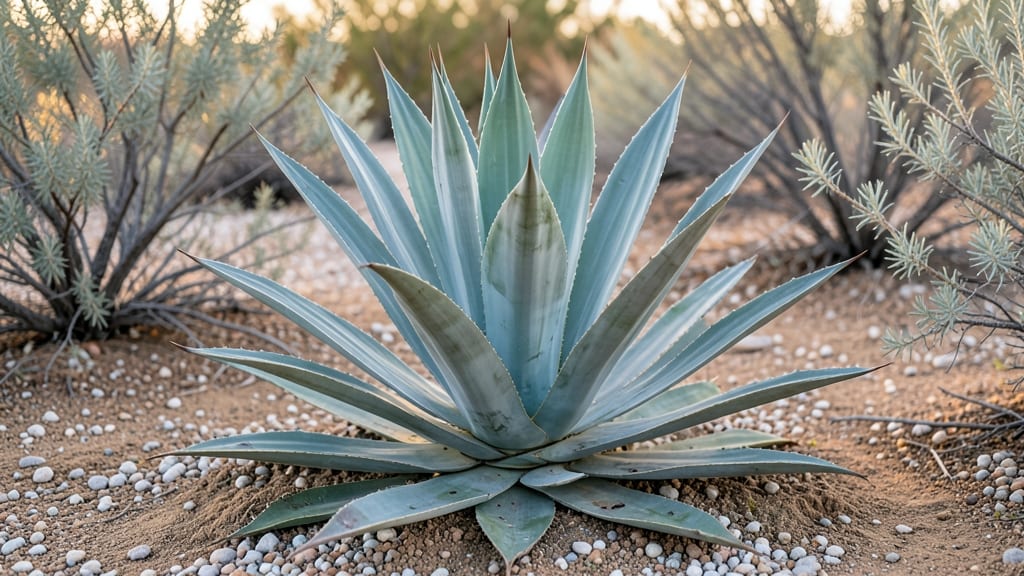
San Diego's hardiness zones range from 9b to 11, with coastal areas typically falling into 10a-11 due to ocean moderation, while inland valleys and foothills often experience cooler conditions in zones 9b-10a. These variations create distinct growing conditions across the region.
San Diego's diverse geography creates these zone differences through natural climate modifiers. Coastal areas benefit from ocean breezes that stabilize temperatures, preventing extreme heat or cold. 🌊 Meanwhile, inland regions face more temperature swings—hotter days and cooler nights—due to lack of maritime influence.
Even within neighborhoods, elevation changes can shift microclimates by 2-3 zones, so checking your specific location's data is essential for successful planting.
What this means for gardeners is that coastal plants like bougainvillea thrive year-round, while inland gardeners may need frost protection for tender varieties. The USDA zone map provides a starting point, but local weather patterns often dictate the real growing limits.
For precise guidance, I recommend using tools like the San Diego County Master Gardener Program's zone finder or consulting your local nursery for hyper-local advice.
💡 In This Article
- How San Diego’s Coastal vs Inland Microclimates Affect Plant Hardiness
- Adjusting Plant Selection for San Diego’s Unique Hardiness Challenges
How San Diego’s coastal vs inland microclimates affect plant hardiness
The Pacific Ocean acts like a giant thermostat for coastal San Diego, creating zones 10a-11 where winter lows rarely dip below 30°F and summer highs stay below 85°F thanks to sea breezes.
These coastal winds carry moisture that increases humidity by 10-15% compared to inland areas, creating a more stable environment for tropical plants like hibiscus or bird of paradise that struggle in hotter inland zones.
The ocean's thermal mass also means coastal temperatures fluctuate only about 10°F between day and night, protecting plants from temperature shock.
Inland areas experience what meteorologists call "continental climate" effects—hotter days (95-100°F in summer) and cooler nights (45-50°F in winter) due to lack of ocean moderation. This creates zones 9b-10a where plants face 20°F daily temperature swings that can stress heat-sensitive varieties.
The inland's lower humidity (50-60% vs coastal 70-80%) also means plants lose moisture faster, requiring 15-20% more irrigation for the same species. Even within 10 miles, you might see 5°F temperature differences that shift which plants thrive.
Elevation plays a surprising role—every 1,000 feet up in elevation drops temperatures by about 3.5°F, which is why foothill areas near 1,500 feet often fall into zone 9b. This creates microclimates where citrus trees survive in coastal zones 10a but need winter protection just 10 miles inland.
The urban heat island effect in cities like Chula Vista adds another layer, making urban gardens 2-4°F warmer than surrounding rural areas during summer months.
These microclimates explain why coastal gardens can grow year-round tropicals while inland gardeners face frost risks even in zone 10a. For example, a mexican bush sage might thrive in coastal zone 11 but require frost cloth protection in inland zone 9b during December freezes.
The key is understanding these patterns—coastal areas get 30% more rainfall annually, while inland zones rely on summer monsoons that can bring sudden downpours or prolonged dry spells.
What most gardeners overlook is how these microclimates affect soil temperature too. Coastal soils stay 5-10°F cooler in summer due to ocean breezes, while inland soils can reach 120°F at surface level during heatwaves. This means seed germination timing differs by 2-3 weeks between coastal and inland gardens.
For instance, tomatoes planted in coastal zone 10a can go in the ground by February 15th, while inland zone 9b gardeners should wait until March 15th to avoid heat stress on young plants.
To visualize these differences, imagine standing at the coast where palm trees grow alongside bougainvillea, then driving just 5 miles inland where you'd need to protect your citrus trees from occasional 28°F nights.
This dramatic shift happens because the ocean's cooling effect drops off sharply just a few miles from shore. The result? A gardener in La Jolla might grow year-round tropicals while one in Ramona needs to choose drought-tolerant varieties that can handle both summer heatwaves and winter chills. 🌿