
Container Gardens
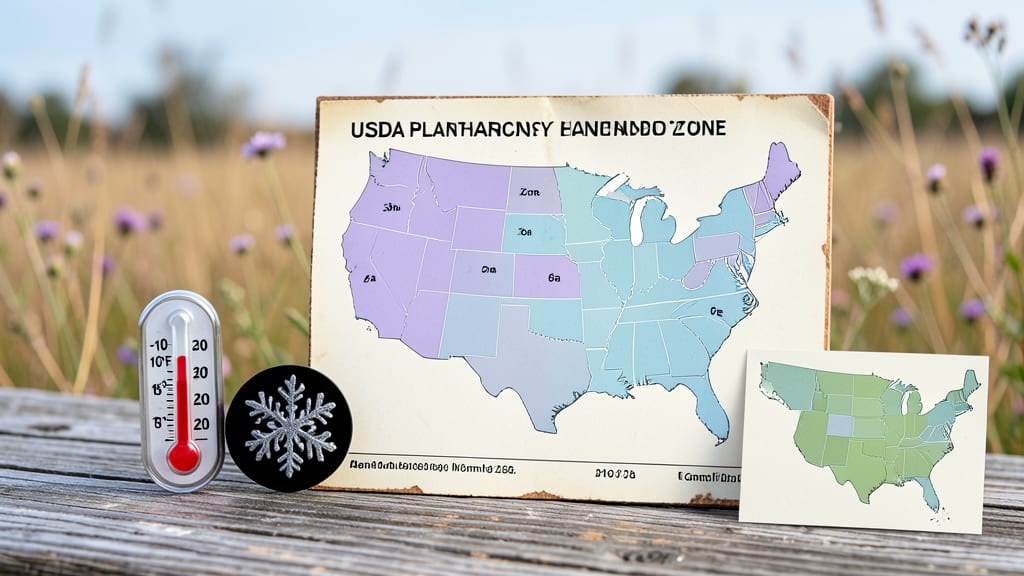
Understanding Maryland's growing zones helps explain why you can successfully cultivate everything from hardy perennials like peonies in colder western regions to heat-loving citrus trees along the coastal plain. 🌱 The state's diverse geography—mountainous western areas in Zone 5b-6a and warmer eastern regions reaching Zone 8a—creates microclimates that affect everything from frost dates to flowering seasons.
For example, gardeners in Baltimore County (Zone 7a) can plant tomatoes as early as mid-April, while those in Garrett County (Zone 5b) should wait until after the last frost in late May.
This zone variation also explains why Maryland's famous azaleas and camellias thrive in the southern half while northern counties excel with early spring bulbs like daffodils.
The key takeaway? Pay attention to your specific county's zone when selecting plants—it makes all the difference between a thriving garden and a struggling one.
💡 In This Article
- How Maryland’s USDA Zones Affect Plant Selection
- Maryland Planting Calendar by USDA Zone
How Maryland’s USDA zones affect plant selection
Maryland’s diverse geography creates a fascinating climate gradient that directly impacts what you can grow.
The state’s western mountain regions (like Garrett County) sit in Zone 5b, where average minimum winter temperatures dip to -15°F to -10°F, making them ideal for hardy perennials like peonies and early spring bulbs that tolerate cold snaps.
Meanwhile, the coastal plain around Annapolis reaches Zone 8a, where winters rarely drop below 10°F to 15°F, allowing subtropical plants like camellias and citrus to thrive.
This 25°F temperature difference between zones explains why a plant like azaleas flourishes in southern Maryland but may struggle in the western mountains.
The elevation plays a crucial role too. For every 1,000 feet increase in altitude, temperatures drop by about 3.5°F, which is why Frederick County (Zone 6b) has different frost patterns than Baltimore County (Zone 7a).
This elevation effect creates microclimates where gardeners in the same county might experience 1-2 week differences in frost dates.
For example, a gardener in Zone 6a might plant tomatoes 2 weeks later than one in Zone 7b to avoid late spring frosts that can devastate tender seedlings. 🌿 The coastal areas also benefit from the moderating influence of the Chesapeake Bay, which delays first frosts by 1-3 weeks compared to inland regions.
Understanding these zones helps explain why Maryland’s famous azaleas and camellias dominate the southern half of the state, while northern counties excel with cold-hardy plants like serviceberry shrubs and bleeding heart perennials.
The 10°F temperature difference between Zone 5b and Zone 8a means that plants like okra and citrus can only survive outdoors in the warmest microclimates, while apple trees and blueberries thrive in the cooler western regions.
This zone variation also affects flowering seasons—spring blooms like tulips appear 2-3 weeks earlier in Zone 7a than in Zone 5b.
For gardeners, this means careful plant selection based on your specific location. A Zone 5b gardener should focus on cold-hardy vegetables like kale and broccoli, while a Zone 8a gardener can experiment with tropical-inspired plants like hibiscus and bougainvillea.
Even within the same zone, microclimates matter—urban heat islands in cities like Baltimore can push effective growing zones 1-2 zones higher than rural areas just miles away.
This is why a plant that thrives in a backyard garden might struggle in a nearby park with different soil and sun exposure.
The USDA zone map also explains why Maryland’s last frost dates vary dramatically—typically April 15 in Zone 7a but as late as May 10 in Zone 5b. This timing affects everything from spring planting schedules to fall harvest windows.
For example, gardeners in Zone 6a might get one extra month of growing season compared to those in Zone 5b, allowing for second plantings of warm-season crops like beans and peppers. The key takeaway?
Always check your specific county’s zone before selecting plants—it’s the difference between a garden that flourishes and one that fights for survival.