
Propagation
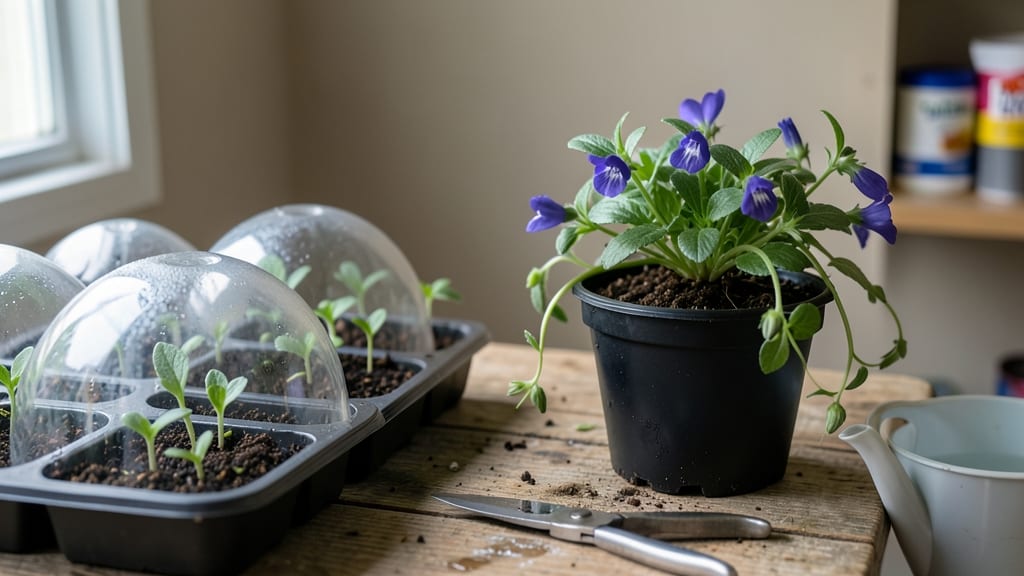
Your seed starting calendar for Zone 4 is the game-changer for a productive spring garden—because in the short growing season of Zone 4, timing isn’t just important, it’s everything.
Picture this: you’ve waited all winter for the first green shoots, but a late frost wipes out your seedlings before they even get a chance. Or worse, you plant too late and miss the sweet spot for harvests.
That’s why this calendar gives you the exact dates to start seeds indoors, transplant outdoors, and direct-sow for 30+ cold-hardy crops—all tailored to Zone 4’s unique challenges.
From peas and spinach in early spring to tomatoes and peppers in late May, we’ll break down the best indoor start times (yes, February is your window!) and outdoor planting dates so you can avoid common mistakes like overcrowding or bolting.
No more guesswork—just a clear, actionable plan to maximize your garden’s potential.
Ready to turn your seed-starting frustration into a successful harvest? Let’s dive into the month-by-month schedule that keeps Zone 4 gardeners thriving year after year.
Zone 4 seed starting timeline: indoor vs outdoor planting dates by month
Zone 4 gardeners face unique challenges with its short growing season and unpredictable frosts. Timing your seed starting and transplanting correctly means the difference between a bountiful harvest and wasted effort.
This calendar accounts for Zone 4a's earlier last frost (May 10) and Zone 4b's slightly later window (May 25), ensuring you're never too early or too late.
For most cool-season crops, I recommend starting seeds indoors 6-8 weeks before your average last frost date. Warm-season crops, however, need to wait until after the last frost for direct sowing or be started indoors 4-6 weeks before transplanting.
Adjust these timelines if you use row covers or cold frames to extend your season.
Here's your month-by-month breakdown for 20+ essential crops, including when to start indoors, transplant, and direct sow:
| Crop | Indoor Start (Zone 4a) | Indoor Start (Zone 4b) | Outdoor Transplant | Direct Sow | Notes |
|---|---|---|---|---|---|
| Peas | Late Feb - Early Mar | Early Mar | Early May | Mid-Apr - Early Jun | Cold-hardy; sow early |
| Spinach | Early Mar - Mid-Mar | Mid-Mar | Early May | Mid-Mar - Early Apr | Bolt-resistant varieties |
| Kale | Early Mar - Late Mar | Mid-Mar - Early Apr | Early May | Early Apr - Mid-Jun | Sweetest after frost |
| Potatoes | Early Mar | Early Mar | Early May | Early Apr | Chit sprouts first |
| Lettuce | Early Mar - Late Mar | Mid-Mar - Early Apr | Early May | Mid-Mar - Early Jun | Succession plant |
| Tomatoes | Mid-Mar | Late Mar | Early Jun | After last frost |
Top 10 fastest-growing Zone 4 crops for early harvests (and how to extend their season)Zone 4 gardeners face a tough challenge: short growing seasons and unpredictable frosts. But with the right fast-growing crops, you can enjoy fresh harvests in just 30-50 days. These speedy plants let you beat the clock and extend your season with simple tricks like succession planting and row covers. Let’s dive into the top 10 crops that deliver quick rewards while maximizing your Zone 4 garden’s potential. My secret weapon? A mix of cool-season crops for early spring and warm-season staples that thrive in late summer’s brief warmth. Radishes, for example, can go from seed to table in just 25 days, while bush beans mature in under 60 days. Pair these with season-extending tools like cold frames or floating row covers, and you’ll turn Zone 4’s challenges into opportunities for year-round harvests. 🌱 Top 10 Fastest-Growing Zone 4 Crops
💡 Pro Tip: Pair these with row covers to add 2-4 weeks to your growing season!
To squeeze every last bit of growing time from Zone 4’s short season, I rely on succession planting. For example, sow radishes every 2 weeks from early May until mid-July. This ensures a steady supply of fresh radishes while the soil is still warm enough for germination. Pair this with row covers or a mini greenhouse to protect tender seedlings from late frosts, and you’ll extend your harvest window by 3-4 weeks. Another game-changer? Cold frames. These low-cost structures trap heat during the day and release it slowly at night, keeping soil temperatures ideal for germination and growth. I’ve used them to grow spinach and lettuce as early as late March, giving me a head start on the season. For crops like bush beans, which need warmer soil, I combine cold frames with black plastic mulch to raise soil temperatures by 10-15°F. Don’t overlook container gardening for fast crops like green onions and arugula. These thrive in pots and can be moved indoors or under a porch cover when nighttime temperatures dip. Plus, containers warm up faster in spring, letting you start planting 2-3 weeks earlier than in-ground beds. For example, I’ve harvested green onions from containers as early as mid-April in Zone 4. Finally, prioritize disease-resistant varieties to avoid setbacks. Cool, wet springs in Zone 4 can lead to fungal issues like downy mildew in lettuce or powdery mildew in spinach. Opt for heirloom or hybrid varieties labeled as resistant, and always rotate crops yearly to prevent soil-borne diseases. With these strategies, you’ll turn Zone 4’s short season into a high-yield, year-round harvest. |