
Planting
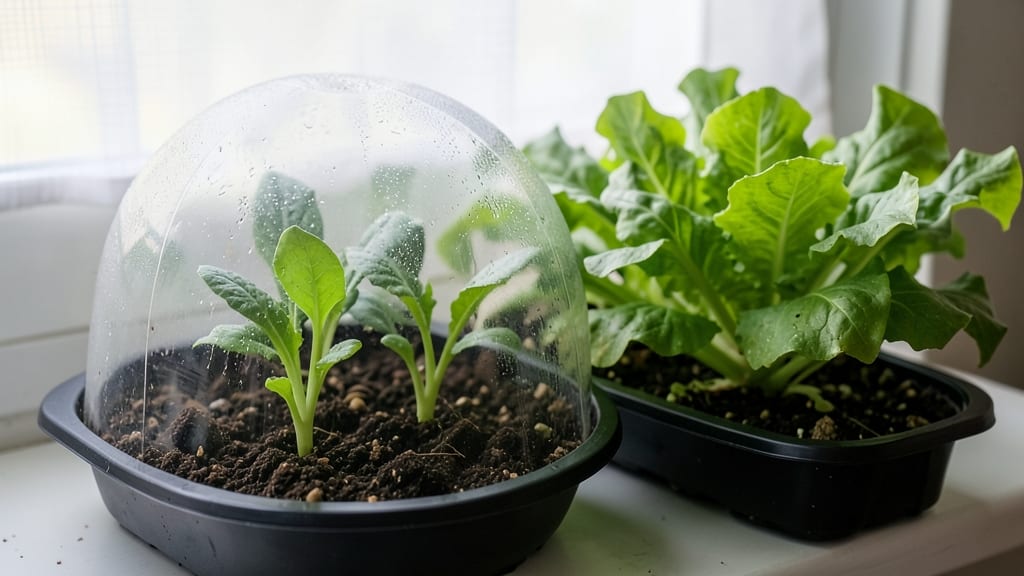
Starting seeds in January in Zone 7 is the secret weapon behind a head-start on your garden—no matter how cold it gets outside.
January might seem too early for planting, but savvy Zone 7 gardeners know this is the perfect time to jumpstart your growing season with cold-hardy seeds—saving weeks on your harvest timeline.
While most plants wait for spring, these early starters thrive in winter’s chill, giving you a leg up on the season.
Whether you’re sowing peas under a cloche or beginning onions indoors, the key is choosing the right seeds for your microclimate. Too many gardeners rush into planting without checking soil temps or light conditions, only to watch their seedlings struggle.
I’ll walk you through the best cold-hardy picks, how to prep your soil, and the simple tricks that keep your January starts from turning leggy or moldy.
By the end, you’ll have a clear plan for what to plant, when to plant it, and how to give your garden the early advantage it needs to outpace the neighbors. Let’s get those seeds sprouting!
Top 10 cold-hardy seeds you can start in January in Zone 7
January might seem like the off-season, but for Zone 7 gardeners, it’s the perfect time to plant cold-hardy seeds that thrive in winter’s chill. These fast-growing varieties can handle frost and even snow, giving you a head start on spring harvests.
Whether you’re sowing directly outdoors or starting indoors, these 10 resilient seeds will reward you with early greens, roots, and blooms.
Why start now? January sowing means your plants establish roots before spring competition, and many varieties are frost-tolerant enough to handle Zone 7’s winter fluctuations. Plus, you’ll avoid the rush of spring planting when seedlings are harder to find.
Let’s dive into the top 10 cold-hardy seeds that will thrive when you plant them in January.
| Seed | Planting Depth | Spacing | Days to Germinate | Notes |
|---|---|---|---|---|
| Peas (Sugar Snap, Snow) | 1 inch deep | 2-3 inches apart | 7-14 days | Direct sow outdoors; thrives in cold |
| Spinach (Baby’s Leaf) | ½ inch deep | 4-6 inches apart | 5-10 days | Tolerates light frost; harvest young |
| Lettuce (Romaine, Butterhead) | ¼ inch deep | 6-12 inches apart | 7-14 days | Start indoors; transplant after last frost |
| Radishes (Cherry Belle) | ½ inch deep | 1-2 inches apart | 3-5 days | Fastest germinator; harvest in 3-4 weeks |
| Onions (Green, Red) | ½ inch deep | 2-3 inches apart | 7-21 days | Cold-hardy; great for green onions |
| Kale (Winterbor) | ¼ inch deep | 12-18 inches apart | 5-10 days | Sweetens after frost; cut-and-come-again |
| Cabbage (January King) | ½ inch deep | 18-24 inches apart | 7-14 days | Start indoors; transplant in spring |
| Swiss Chard (Bright Lights) | ½ inch deep | 10-12 inches apart | 7-14 days | Cold-tolerant; harvest leaves as needed |
| Arugula (Astro) | ¼ inch deep | 6-8 inches apart |
How to maximize January seed success: soil, light, and heat tipsJanuary might feel like the off-season, but for Zone 7 gardeners, it's the ideal time to start seeds indoors or in protected outdoor spaces. The key to success lies in understanding how to control soil temperature, provide adequate light exposure, and manage humidity levels—all while avoiding common pitfalls that can derail your early-season efforts. With the right approach, you can give your seedlings a head start and enjoy an extended harvest season. Indoor seed starting requires careful attention to grow light setups since natural daylight is limited. A simple LED grow light placed 4-6 inches above seedlings provides the 12-16 hours of light they need daily. For outdoor sowing, focus on microclimates like south-facing beds or areas with afternoon shade to protect tender young plants from harsh winter winds. These small adjustments can make all the difference between thriving seedlings and failed starts. ⚠️ callout warning
⚠️ January Cold Snap Warning
Zone 7 gardeners: Even in mild winters, unexpected sub-30°F dips can kill young seedlings. If starting outdoors, use row covers or cold frames for protection. For indoor starts, keep heat mats set to 65-75°F to ensure consistent germination. Never let soil temps drop below 50°F—this halts growth and invites rot. Soil temperature is often overlooked but critical for January success. Most cool-season crops like spinach and radishes germinate best in 50-70°F soil. Use a soil thermometer to monitor conditions, and consider heating mats for indoor trays. For outdoor beds, incorporate compost or aged manure to warm the soil naturally. Remember, cold soil slows germination, so act early to avoid delays. Humidity management is another game-changer for January seedlings. Indoor environments often become too dry, causing damping off or stunted growth. Place trays on a humidity dome or mist seedlings lightly with water twice daily. For outdoor starts, group plants closely to create a natural microclimate that retains moisture. Avoid overhead watering—always water at the base to prevent fungal diseases like powdery mildew. Leggy seedlings are a common January problem, but they’re easily prevented with proper light exposure. If your seedlings stretch toward the window, it’s a sign they need more light. Adjust grow lights to 12-16 hours daily and keep them 4-6 inches above seedlings. Rotate trays weekly to ensure even growth. For outdoor plants, choose a sheltered location with reflected light from nearby structures to boost growth without direct sun exposure. Finally, don’t forget to harden off seedlings before transplanting. Start by moving them outdoors for 2-3 hours daily in the week leading up to planting. Gradually increase exposure to wind and sunlight to strengthen stems. This simple step reduces transplant shock and ensures your seedlings thrive in their permanent spots. With these tips, your January starts will be robust and ready for spring planting. |