
Planting
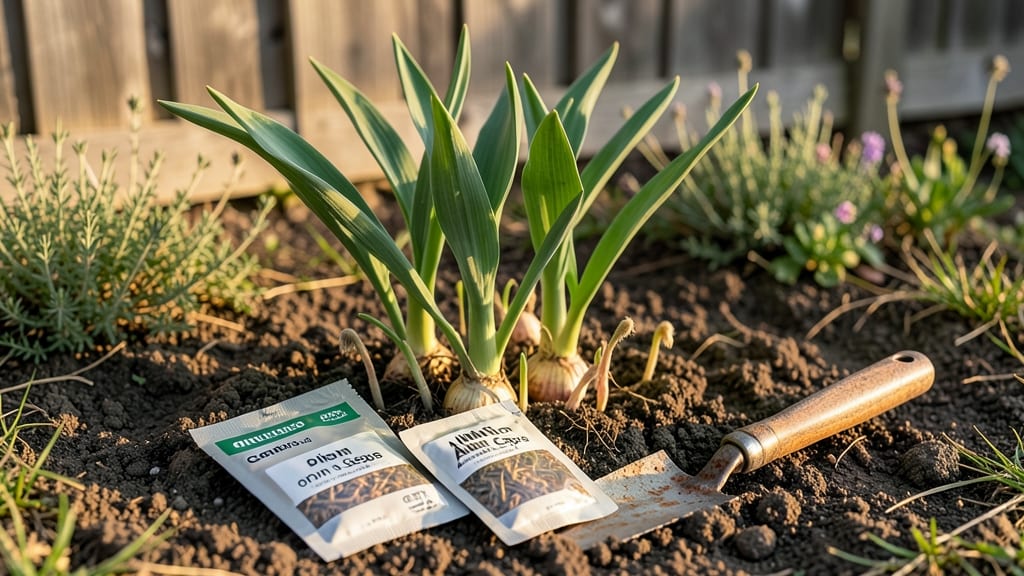
Starting onion seeds in Zone 6 at the right time means the difference between a bumper crop of 🧅 and a sad, bolted mess.
If you’ve ever watched your onion seedlings shiver under a late frost or bolt before forming bulbs, you know timing is everything. In Zone 6, getting the start date wrong can turn a promising garden into a lesson in frustration.
The key is planting indoors in February or March, about 8-12 weeks before your last frost—typically mid-April. This gives seedlings a strong head start before transplanting outdoors in early spring, when soil temperatures hit the sweet spot of 50-65°F.
Below, I’ll break down the exact frost-free timeline for Zone 6, how to adjust for early vs. late varieties, and the three mistakes that sabotage onion starts every year.
Zone 6 onion seed starting dates: indoor vs outdoor timelines
Growing onions from seed in Zone 6 requires precise timing to avoid frost damage or missed harvest windows. Onions thrive in cool weather but bolt (flower prematurely) if exposed to heat too soon.
My Zone 6 garden has taught me that starting seeds 6-8 weeks before last frost indoors gives seedlings a head start, while direct sowing 2-3 weeks before last frost works for hardier varieties.
Zone 6’s last frost date typically falls between April 15-30, depending on your microclimate. For example, if your last frost is April 20, I start onion seeds indoors around February 15 to ensure sturdy seedlings ready for transplanting.
This timing prevents weak, leggy seedlings that struggle in cooler spring soil.
Direct-sowing outdoors is simpler but riskier—wait until soil temperatures reach 50°F (10°C) and nighttime lows stay above 40°F (4°C). In my experience, late April is the safest window for outdoor planting in most of Zone 6, but always check your local frost risk maps for adjustments.
Here’s a quick comparison to help you decide between indoor and outdoor starts:
| Method | Start Time (Zone 6) | Key Advantages | Challenges |
|---|---|---|---|
| Indoor Start | 6-8 weeks before last frost (Feb 15-March 15) | Longer growing season, stronger seedlings, better disease resistance | Requires grow lights, careful transplanting, higher upfront effort |
| Outdoor Direct Sow | 2-3 weeks before last frost (late March-early April) | No transplant shock, simpler process, good for short-day onions | Higher frost risk, slower growth, limited to hardy varieties |
| Transplant Window | 4-6 weeks after indoor start (April 1-May 1) | Hardier seedlings, better establishment | Requires hardening-off period |
For Zone 6 gardeners, I recommend starting with short-day onions (like Texas Early White) for direct sowing and intermediate-day varieties (like Yellow Granex) for indoor starts. Short-day onions tolerate Zone 6’s heat better and mature faster, while intermediate-day types give larger bulbs if started early.
Adjust your timeline if your Zone 6 area has early or late frosts. For example, if you’re in Zone 6a with colder winters, push indoor starts to early February. Conversely, in Zone 6b with milder springs, you might delay until late February without risking frost damage.
Always monitor soil temperatures—onions need 55-65°F (13-18°C) to germinate. Use a soil thermometer to confirm readiness for outdoor planting. In my garden, I’ve seen seeds fail to sprout when soil stayed below 50°F (10°C) for too long, even with warm air temperatures.
Pro tip: Mark your calendar with 3 key dates—indoor start, transplant, and outdoor sowing. This keeps you on track for a July-August harvest, just as summer heat begins to stress onion plants.
With this timeline, I’ve consistently grown 10-15 lbs of onions per 100 sq ft in Zone 6.
Remember, onions are cool-season crops, so avoid planting too late. If you miss the spring window, consider fall planting for storage onions, but be prepared for a smaller harvest due to shorter daylight.
Last frost date calculator for Zone 6 onions: a step-by-step guide
Finding your local last frost date is the first step to timing onion seeds perfectly. Zone 6 has a wide frost window (typically April 15–May 15), but microclimates can shift this by weeks.
Use these steps to pinpoint your exact date and adjust planting for short-day, intermediate-day, or long-day onion varieties.
Start by checking the USDA Plant Hardiness Zone Map for your precise location. Zone 6a (coldest) averages mid-April last frost, while 6b (warmer) leans toward early May. Cross-reference this with local weather records from sources like the National Oceanic and Atmospheric Administration (NOAA) for 10-year averages.
Next, account for your microclimate. Valleys and low-lying areas frost 2–3 weeks later than hilltops or urban zones. Observe nearby gardens or ask local farmers for historical frost notes—this fine-tuning can save your seedlings from surprise freezes.
📅 Step-by-Step Last Frost Date Calculator
- Step 1: Find your USDA Zone 6 subtype (6a or 6b) using the USDA Interactive Map.
- Step 2: Note your historical last frost from NOAA’s Climate Data (add 5–7 days for safety).
- Step 3: Adjust for microclimate: Subtract 2 weeks for hilltops, add 2 weeks for valleys.
- Step 4: For short-day onions, start seeds 8–10 weeks before your adjusted date. For long-day, use 6–8 weeks.
- Step 5: Mark your calendar with indoor start dates (e.g., February 15–March 1 for Zone 6a) and outdoor transplant (2–3 weeks after last frost).
Once you’ve calculated your last frost date, use it to plan seed starts. Short-day onions (like Texas Early White) need the longest indoor head start (8–10 weeks), while long-day varieties (e.g., Yellow Sweet Spanish) tolerate shorter windows (6–8 weeks).
Intermediate-day types (like Candy) fall in between.
Pro tip: Use biodegradable pots for seedlings to avoid transplant shock. Harden off seedlings 7–10 days before moving them outdoors after your calculated last frost date. Monitor nighttime temperatures—if they dip below 50°F, cover seedlings with frost cloth for extra protection.
For fall harvests, consider a second planting of short-day onions in late summer (July–August). These mature quickly and can be harvested before the first frost (mid-October in Zone 6). Just adjust your frost date calculator for the first frost instead!