
Planting
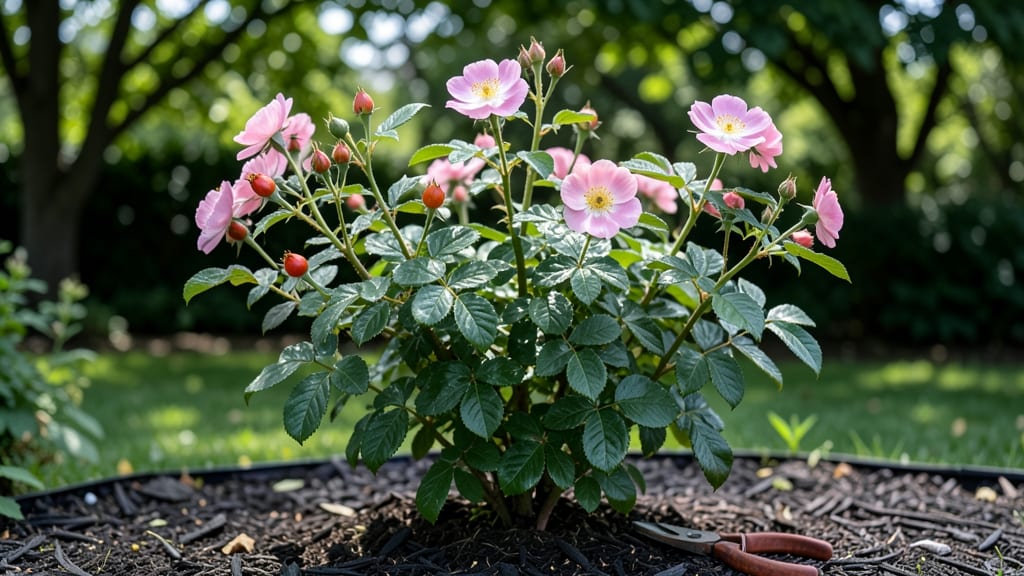
Zone 4 winters nearly killed my first rose bushes—until I discovered these hardy shrub roses that shrug off -30°F and still bloom like crazy. 🌹 The secret isn't just the right varieties (like 'Knock Out' or 'Dr. Huey'), but how you plant, prune, and protect them when temperatures plunge.
Most gardeners overlook soil prep and mulching, which are just as critical as choosing cold-resistant cultivars. I learned the hard way that amending clay soil with compost and using 4-6 inches of mulch makes all the difference in survival rates.
These roses aren't just tough—they're reliable, producing flowers even after brutal winters. By late June, you'll see clusters of blooms that last until frost, with minimal care.
The key is understanding their growth patterns: prune in early spring, fertilize lightly, and watch them bounce back from winter damage like nothing happened. Works for small gardens, hedges, or even container growing. Here's how to make them thrive where others freeze."
📚 In This Guide
- What you need
- Instructions
- Tips and common mistakes
- Wrapping up and next steps
What you need
- ● Shrub rose plants: 3–5 bare-root or potted varieties (e.g., Knock Out®, Dr. Huey, or John Cabot—check Zone 4 hardiness labels!)
- ● Garden soil: 1–2 cubic yards of well-draining, amended soil (mix in compost or aged manure for nutrients).
- ● Organic mulch: 2–3 inches of wood chips, straw, or pine bark (protects roots in winter!).
- ● Fertilizer: Balanced rose fertilizer (10-10-10 or 5-10-5) or compost tea for organic growth.
- ● Tools: 1 shovel (for digging holes)
- ● 1 garden trowel (for precision planting)
- ● 1 pruners (sterilized, sharp)
- ● 1 measuring tape (to space plants 2–4 ft apart)
- ● 1 watering can or hose with a gentle nozzle
- ● Rose food: Slow-release rose-specific granules (apply in early spring).
- ● Support: Stakes or cages (3–4 ft tall) for climbing varieties.
- ● Winter protection: Burlap wraps or rose cones (for young canes)
- ● Extra mulch (4+ inches in late fall)
- ● Soil amendments: Perlite or sand (if your soil is heavy clay).
- ● Disease prevention: Copper fungicide or neem oil (for powdery mildew risks).
Instructions for planting and caring for shrub roses in Zone 4
Here's how I've learned to grow hardy shrub roses that thrive through Zone 4 winters—no fuss, just reliable beauty.
🌱 Step 1: Choose the Right Varieties for Zone 4
Not all shrub roses handle harsh winters equally. I always reach for Explosion series, Knock Out varieties, or Dr. Huey—these are bred to survive -30°F with minimal fuss. Check your specific rose's hardiness rating; anything labeled Zone 3-4 is a safe bet. Avoid tender climbers or hybrid teas unless you're willing to provide extra winter protection.
Look for bare-root plants in early spring or fall. Container-grown roses can be planted anytime, but spring gives them a full season to establish roots before winter. I like to plant 4 shrub roses per yard—spaced 4-6 feet apart—to create a natural hedge or border that blooms from early summer through fall.
☀️ Step 2: Plant in Full Sun with Well-Draining Soil
Shrub roses need at least 6 hours of direct sun daily, preferably more. I always pick the sunniest spot in my yard because roses reward generous light with bigger, healthier blooms. If your soil drains poorly, amend it with 2-3 inches of compost mixed into the top 12 inches before planting.
Dig a hole twice as wide as the root ball but no deeper. This prevents soil from settling and burying the graft union (the swollen area where the rose was grafted onto its rootstock). Place the rose in the hole, spread the roots outward, and backfill with native soil—not amended soil—so the roots can establish naturally.
💧 Step 3: Water Deeply and Mulch for Winter Protection
After planting, water deeply once a week for the first month, then taper to every 10-14 days once established. Shrub roses hate soggy roots but need consistent moisture. I check soil moisture by sticking my finger 2 inches deep—if it's dry, it's time to water. Never let the soil dry out completely, especially during the first growing season.
In late fall, after the first hard frost, apply 3-4 inches of mulch around the base of the plant. I use straw or shredded leaves because they insulate roots while allowing moisture to penetrate. Avoid thick layers of bark mulch, which can suffocate roots over winter. In Zone 4, this simple step prevents heaving and keeps roots from freezing.
✂️ Step 4: Prune in Early Spring for Strong Growth
Wait until late April or early May—after the last frost—before pruning. I cut back one-third of the oldest canes to the ground to encourage new growth, while leaving 2-3 younger canes untouched. This keeps the shrub full and flowering. Remove any dead, diseased, or crossing branches first—they compete for energy and invite pests.
Shape the plant into an open vase form by cutting branches at a 45-degree angle just above an outward-facing bud. Avoid leaving stubs, which can rot. After pruning, apply a balanced rose fertilizer (like 10-10-10) to fuel the new growth. I fertilize again in early summer and late summer for continuous blooms.
🪴 Step 5: Protect from Winter Wind and Rodents
In late fall, wrap the base of the plant with burlap or rose cones to shield it from winter winds, which dry out stems. I also bend the largest canes toward the ground and secure them with u-shaped plant ties, then mound 6-8 inches of soil over the top. This buries the graft union and insulates the roots.
To deter rodents, sprinkle dried blood meal around the base before mulching. Deer and rabbits love tender new growth, so I add a chicken wire cage around young plants until they're established. In Zone 4, these small steps make all the difference between a rose that survives and one that thrives.
Tips & tricks for hardy shrub roses in Zone 4
Here's what I wish I knew when I first planted roses in our cold climate—these tricks make all the difference for winter survival.
Variety Selection Matters: The Explosion series and Knock Out roses are my go-tos because they're bred specifically for Zone 4's brutal winters. I learned this the hard way when my first delicate climber froze back to the ground—these hardy varieties handle -30°F without batting an eye. Always check the hardiness rating on the tag, and avoid anything labeled below Zone 3 unless you're prepared for extra winter protection.
Soil Prep Secret: In Step 2, when amending your soil, I've found that mixing in 2-3 inches of compost into the top 12 inches creates the perfect balance of drainage and nutrients. The key is to use native soil for backfilling—not amended soil—so the roots can establish naturally. This prevents that dreaded "soggy roots" issue that leads to winter dieback.
Winter Protection Hack: For Step 5, I take extra care with the soil mounding. After bending the largest canes toward the ground, I mound 6-8 inches of soil over the top—this buries the graft union completely and adds another layer of insulation. I've seen roses survive -25°F with this method when other nearby plants struggled. The extra effort pays off in spring with vigorous new growth.
Pruning Precision: When pruning in Step 4, I always look for outward-facing buds when making my 45-degree angle cuts. This ensures the new growth will spread outward, creating that beautiful open vase shape. I also make sure to remove any crossing branches first—they compete for energy and can weaken the plant over winter. After pruning, I give the roses a light feeding of 10-10-10 fertilizer to kickstart their spring growth.
Pro Tips for Shrub Roses Zone 4
- Here's what I wish I knew when I first planted roses in our cold climate—these tricks make all the difference for winter survival.
- Variety Selection Matters: The Explosion series and Knock Out roses are my go-tos because they're bred specifically for Zone 4's brutal winters.
- Soil Prep Secret: In Step 2, when amending your soil, I've found that mixing in 2-3 inches of compost into the top 12 inches creates the perfect balance of drainage and nutrients.
Frequently asked questions
Got questions about growing shrub roses in Zone 4? You’re not alone—cold winters and short growing seasons can make rose care tricky! Here are answers to the most common concerns, so you can confidently plant and maintain your hardy beauties.
Can shrub roses survive Zone 4 winters without extra protection?
Many Zone 4-hardy shrub roses (like ‘Knock Out’ or ‘Dr. Huey’) thrive with minimal protection—just a thick layer of mulch (4–6 inches) around the base and a light covering of straw or burlap over the canes in late fall. Avoid heavy blankets, which can trap moisture and rot stems. Pro tip: Prune back dead canes in early spring to encourage new growth!
When is the best time to plant shrub roses in Zone 4?
Plant in early spring (as soon as the ground thaws) or early fall (6–8 weeks before frost). Spring planting gives roots time to establish before winter, while fall planting lets them settle before dormancy. Avoid planting in late fall—young roots may not harden off in time for freezing temps.
What if my shrub rose dies back to the ground in winter?
Don’t panic! Many Zone 4 shrubs (like ‘John Cabot’) are cold-deciduous—they lose leaves and stems but regrow from the root crown. Cut back dead canes in late winter/early spring (when new buds swell). If no regrowth appears by mid-spring, check for rot or pests—sometimes roots survive even if tops don’t.
Are there disease-resistant shrub roses for Zone 4?
Look for varieties labeled “disease-resistant” or “black spot-resistant”, like ‘The Fairy’ or ‘Rambling Rosette’. These are bred to handle humidity and fungal issues common in Zone 4. Pair with proper spacing (3–4 ft apart) and good airflow to prevent problems. Bonus: Avoid overhead watering to keep foliage dry!
What’s a good alternative if shrub roses struggle in my yard?
If your soil is poorly draining or your site gets late frosts, try these Zone 4-friendly alternatives:
- Spirea (e.g., ‘Goldflame’) – Drought-tolerant, blooms all season.
- Butterfly Bush (Buddleia) – Hardy, attracts pollinators, and thrives in heat.
- Ninebark (Physocarpus) – Tough, multi-season interest, and low-maintenance.
- Russian Sage (Perovskia) – Drought-resistant and deer-resistant!
All handle Zone 4 winters with ease and add color without the fuss of roses.
Wrapping up and next steps
Growing shrub roses in Zone 4 is absolutely doable—you just need the right varieties and a little extra care! These hardy beauties thrive even in cold climates, rewarding you with stunning blooms year after year.
Whether you're a beginner or a seasoned gardener, start small with a few cold-resistant cultivars like 'Knock Out' or 'John Cabot', and soon you’ll have a vibrant, low-maintenance garden that stands up to winter’s chill. 🌹❄️
Ready to take the next step? Plan your planting schedule based on your last frost date, and don’t forget to mulch and protect your roses in early winter. Happy gardening—your future blooms will thank you!