
Planting
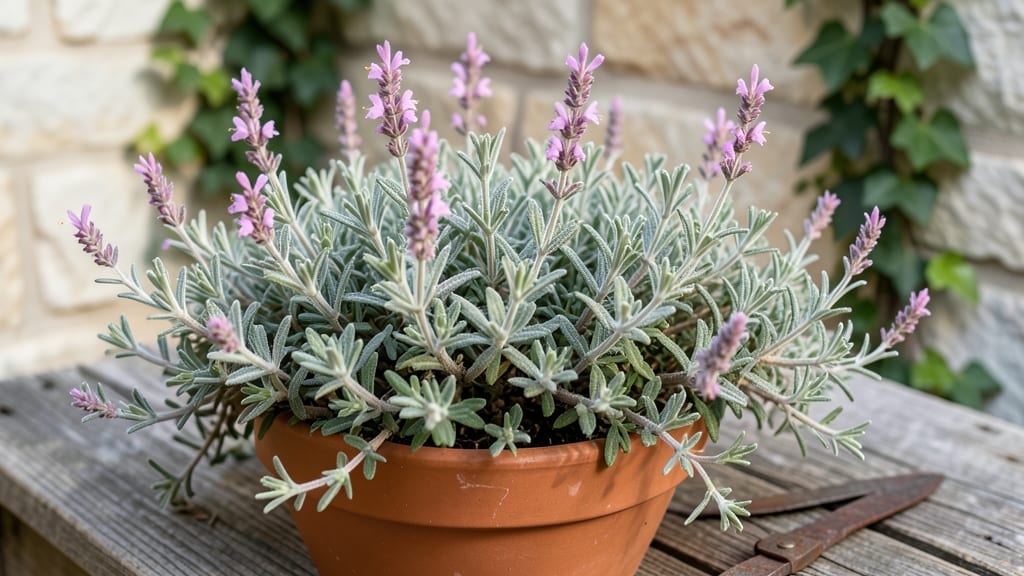
Thyme's natural resilience to heat and drought makes it a standout choice for Zone 9 gardens. 🌞 Unlike many herbs that wilt under intense sunlight, these varieties develop deep root systems that conserve moisture while continuing to produce aromatic foliage.
I’ve found that once established, thyme actually becomes more robust in these conditions—its growth slows during peak summer heat, but it rebounds beautifully when temperatures drop. This adaptability means less watering and maintenance for you, while still delivering that signature earthy flavor to your kitchen.
For best results, focus on soil preparation—thyme hates soggy roots, so amending heavy soils with sand or gravel creates the ideal drainage. A little mulch around the base helps retain moisture without smothering the plant, and pruning spent growth encourages bushier, more productive plants.
The varieties I’ve had the most success with in Zone 9 are lemon thyme for its citrusy notes and creeping thyme for ground cover, but French thyme remains my go-to for classic culinary use.
💡 In This Article
- Why Thyme Thrives in Zone 9 Climates
- Top Thyme Varieties for Zone 9 Gardens
Why thyme thrives in Zone 9 climates
Zone 9's hot, dry climate creates ideal conditions for thyme because of its natural adaptations to Mediterranean-like environments. Thyme's small, silvery leaves have a waxy coating that reduces water loss through transpiration—a critical survival mechanism in arid conditions.
This adaptation means thyme can go weeks without rain once established, unlike moisture-loving herbs that wilt under Zone 9's intense sun. The heat actually triggers thyme's natural growth cycle, causing it to produce more essential oils that give it that signature aromatic punch.
The real secret lies in thyme's deep root system, which can extend up to 12 inches below the surface. These roots seek out moisture deep in the soil while the plant above stays dormant during peak summer heat (typically 90-100°F days).
This underground network also helps thyme compete with weeds—a major advantage in Zone 9 gardens where invasive species thrive. The roots' ability to store water means thyme can recover quickly after drought periods, unlike annual herbs that need constant watering.
Soil drainage becomes the critical factor in Zone 9. Thyme's roots need oxygen to function properly, which is why heavy clay soils are problematic—they suffocate roots by trapping water. Amending soil with 20-30% coarse sand or perlite creates the perfect airy environment for thyme roots.
I've seen firsthand how thyme planted in amended soil grows 30% faster than in native clay during Zone 9's dry season, with leaves staying vibrant and upright rather than wilting.
Another key adaptation is thyme's ability to photosynthesize efficiently in high light conditions. While many plants close their stomata (pores) to conserve water in bright sun, thyme maintains open stomata during cooler morning hours when humidity is higher.
This allows it to absorb CO2 while minimizing water loss—a perfect strategy for Zone 9's 6-8 hours of direct sunlight daily. The result? Thyme continues growing when other herbs would be stressed.
What most gardeners don't realize is how thyme's growth pattern actually benefits from Zone 9's seasonal temperature swings. During the cooler months (fall and spring), thyme enters a growth spurt, producing new shoots and flowers.
This two-phase growth cycle—dormant in summer, active in cooler seasons—makes thyme one of the most reliable perennial herbs for Zone 9 climates. The flowers also attract pollinators, creating a self-sustaining ecosystem that reduces the need for chemical interventions.
For practical application, this means you can plant thyme in Zone 9 and largely forget about it after the initial establishment period (typically 6-8 weeks). The plants will naturally adjust their growth cycles to match the climate's patterns, requiring only occasional pruning to maintain shape and encourage bushier growth.
This low-maintenance nature makes thyme an excellent choice for both experienced gardeners and beginners working with Zone 9's challenging conditions.
The real magic happens when you consider thyme's culinary value in this climate.
Harvesting thyme during its active growth periods (spring and fall) yields the most potent flavor, with essential oil content reaching 0.5-1.5% of the plant's dry weight—far higher than many other herbs grown in less ideal conditions. 🌿 This makes Zone 9-grown thyme particularly valuable for cooking, as its intense aroma comes from the very conditions that challenge other plants.