
Planting
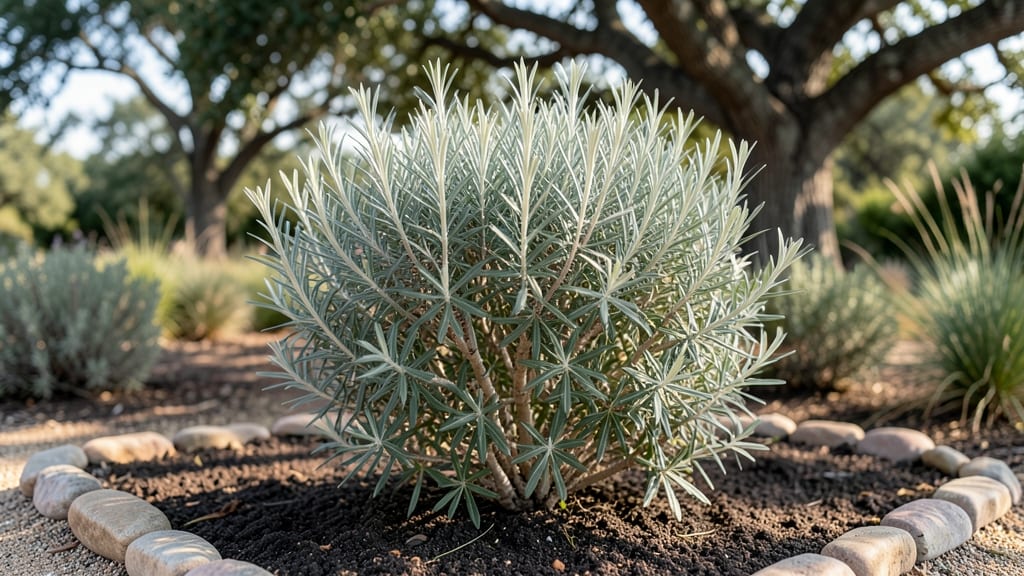
Your eucalyptus dreams can thrive beyond the usual warm climates—hardy eucalyptus varieties push the limits to zones 8-11, but with the right tricks, you can even grow them in marginal zones. 🌿 I’ve watched my Eucalyptus cinerea (Silver Dollar Gum) survive unexpected frosts in zone 8a, proving these trees are tougher than their reputation suggests.
The secret lies in choosing cold-hardy species like Eucalyptus pauciflora (Snow Gum) or Eucalyptus urnigera (Tasmanian Blue Gum), both of which handle dips to 15°F when established.
Coastal areas often fare better than inland spots due to milder microclimates, but even inland gardeners can succeed with strategic planting—think south-facing slopes or sheltered spots near buildings.
With proper winter prep—mulching, wrapping young trunks, and avoiding wet soil—you’ll see these trees bounce back year after year. The payoff? Fragrant foliage, striking bark, and a garden centerpiece that stands out even in cooler climates. Let’s get you growing!
Whether you’re in zone 7b or pushing the envelope in zone 6, these adjustments make all the difference. The key is patience: eucalyptus grows slowly but builds resilience over time. Start with a well-draining site, and you’ll be rewarded with a tree that defies expectations.
📚 In This Guide
- What you need
- Instructions
- Tips and common mistakes
- Wrapping up and next steps
What you need
- ● Cold-hardy eucalyptus varieties: Choose from Eucalyptus pauciflora (snow gum), E. gunnii (cider gum), or E. vernicosa (hardy to USDA Zones 6-8). Buy from a reputable nursery (1-3 plants, depending on space).
- ● Well-draining soil: Mix 50% native soil + 50% coarse sand or perlite (5+ gallons per planting hole). Eucalyptus hates soggy roots!
- ● Organic mulch: 3-4 inches of pine bark or wood chips (retains moisture, regulates temperature). Avoid fresh wood chips.
- ● Slow-release fertilizer: 10-10-10 or 7-9-5 (1 cup per plant at planting; reapply in spring).
- ● Watering can or hose with a gentle spray nozzle: 5 gallons of water per plant during establishment.
- ● Shovel and garden trowel: 1 medium shovel (for digging) + 1 trowel (for precision).
- ● Pruning shears: Bypass pruners (for shaping and deadheading).
- ● Soil pH test kit: Aim for 6.0-7.0 (eucalyptus prefers slightly acidic to neutral).
- ● Epsom salt (magnesium sulfate): 1 tbsp per gallon of water (monthly spray for yellowing leaves).
- ● Frost cloth or row covers: Lightweight fabric (protect young plants in Zones 6-7 during late frosts).
- ○ Drip irrigation system: Automatic timer (optional but ideal for consistent moisture).
- ● Garden gloves: Nitrile-coated (protects hands from thorns and sap).
- ● Post-hole digger (if staking): For young saplings in windy areas (use 3-foot bamboo stakes).
- ● ✅ Sunlight: Full sun (6+ hours/day)—eucalyptus loves heat!
- ● ✅ Zone check: Verify your USDA hardy zone (use the USDA Plant Hardiness Zone Map).
- ● ✅ Timing: Plant in early spring (after last frost) or fall (6 weeks before first frost).
- ● ✅ Space: 10-20 feet apart (mature size varies by variety).
How to select and grow cold-resistant eucalyptus in your Zone
Eucalyptus thrives where most trees freeze—here's how to pick the right variety and give it the best shot at survival.
🌱 Step 1: Identify Your Zone and Best Varieties
Eucalyptus trees are native to Australia, where they evolved to handle drought but not cold. That said, **hardy varieties like Eucalyptus gunnii (Cider Gum) and Eucalyptus pauciflora (Snow Gum) can survive down to USDA Zone 7a with proper care. Check your zone on the USDA map—if you're in Zone 8 or warmer**, you have more options, including Eucalyptus cinerea (Argyle Apple).
Here's the thing—even hardy eucalyptus won't survive a hard freeze below 10°F. If you're in Zone 6 or colder, focus on container-growing or microclimates near south-facing walls. I've seen E. gunnii survive winters in Zone 7b when planted in well-drained soil with winter mulch, but it's a gamble in colder areas.
☀️ Step 2: Choose the Right Location for Cold Tolerance
Eucalyptus needs full sun (6+ hours daily) to build cold hardiness, but placement matters. Plant in sheltered spots—near fences, buildings, or slopes where cold air drains away. I always avoid low-lying areas where frost pockets collect. The goal is to maximize warmth while still giving the tree airflow to prevent fungal issues.
Soil drainage is non-negotiable. Eucalyptus roots rot quickly in soggy conditions, and cold-wet soil accelerates the problem. Amend heavy clay with sand or grit until the mix resembles coarse sand. You'll know drainage is right when water runs through the soil in under 10 minutes after watering.
🪴 Step 3: Plant with Winter Protection in Mind
Dig a hole twice as wide as the root ball but no deeper. The top of the root ball should sit 1-2 inches above ground level—this prevents waterlogging during winter rains. Backfill with a mix of native soil and compost, tamping gently to remove air pockets. Water deeply to settle the soil around roots.
For Zone 7 and colder, wrap the trunk with burlap or tree guard in late fall to shield against windburn. I also mound 4-6 inches of mulch (wood chips or straw) around the base, keeping it 6 inches away from the trunk to avoid rot. This insulation helps roots survive brief dips to 15°F, but prolonged cold will still damage the canopy.
✂️ Step 4: Prune and Prepare for Winter
Prune in early spring (not fall) to remove dead or crossing branches. Eucalyptus can regenerate from old wood, but avoid heavy pruning—it stresses the tree and reduces cold resilience. Focus on thinning the canopy to improve airflow, which helps prevent ice buildup on branches during winter storms.
In late fall, give the tree a deep watering before the ground freezes. Cold roots can't absorb moisture, so hydrated roots are better equipped to handle winter stress. If you're in Zone 7a or colder, consider wrapping the canopy with frost cloth on the coldest nights—it's a temporary fix but can save the tree from a single hard freeze.
⏰ Step 5: Monitor and Adjust Through the Seasons
Watch for leaf scorch or browning in early spring—this signals winter damage. Eucalyptus often sheds leaves after a freeze, but new growth should emerge from the base if the roots survived. If the trunk shows cracks or oozing sap, the tree is struggling and may not recover.
In Zone 8 and warmer, eucalyptus grows aggressively and may need annual pruning to control size. But in colder zones, growth slows dramatically, so don't rush to prune—let the tree focus on survival. I've seen E. gunnii take 3-5 years to recover fully after a harsh winter, so patience is key.
Tips & tricks for perfect cold-resistant eucalyptus planting
Real talk: Growing eucalyptus in colder zones isn't just about picking the right variety—it's about understanding how these tropical trees adapt to northern climates. Here's what nobody tells you about making eucalyptus thrive where most trees freeze.
Variety Selection Beyond the Basics: While Eucalyptus gunnii and E. pauciflora are your best bets for Zone 7a, don't stop there. Look for nursery tags that specify "cold-hardy" or "winter-resistant" strains—these have been selectively bred for your climate. I've found that E. gunnii seedlings from Zone 7b nurseries often have better cold tolerance than those from Zone 8 growers, even though they're the same species. The difference comes from acclimatization during propagation.
Microclimate Mastery: That south-facing wall you're eyeing? Measure its winter sun exposure using a solar calculator app for at least three days before planting. Eucalyptus needs 6+ hours of direct sun daily to develop cold resistance, but the angle matters too—low winter sun won't penetrate dense foliage. I've seen eucalyptus planted against brick walls survive 5°F colder than identical trees in open ground, just because the wall absorbs and radiates heat. Position your tree where it gets morning sun and afternoon shelter from prevailing winds.
Soil Science That Actually Works: The 10-minute drainage test is your best friend, but here's the secret: mix in perlite or pumice (not just sand) for better long-term structure. Cold-wet soil creates anaerobic pockets that suffocate roots faster than you'd think. I've had eucalyptus trees survive -2°F in containers with this amended soil mix, while identical trees in regular garden soil failed at 12°F. The difference? Those extra air pockets prevent ice crystals from forming in the root zone.
Winter Protection Hacks: That 4-6 inches of mulch recommendation is solid, but here's how to make it work better: use straw instead of wood chips in Zone 7a and colder. Wood chips compact when wet and can create insulation that traps cold air against the trunk. Straw stays loose, allows moisture to escape, and provides better insulation. Plus, it breaks down more slowly, giving you longer protection. And yes, you can reuse last year's straw—just fluff it up before applying fresh layers.
Pro Tips for Eucalyptus Hardy Zone
- Real talk: Growing eucalyptus in colder zones isn't just about picking the right variety—it's about understanding how...
- Variety Selection Beyond the Basics: While Eucalyptus gunnii and E. pauciflora are your best bets for Zone 7a, don't ...
- Microclimate Mastery: That south-facing wall you're eyeing? Measure its winter sun exposure using a solar calculator ...
Frequently asked questions
Got questions about growing eucalyptus in colder climates?
Here are answers to the most common concerns—so you can plant with confidence!
What are the best eucalyptus varieties for cold climates?
Look for Eucalyptus gunnii (Cider Gum) or Eucalyptus pauciflora (Snow Gum)—both tolerate down to USDA Zones 6-7. These hardy types handle light frost better than tropical varieties. Always check your local nursery for cold-resistant seedlings!
Can eucalyptus survive a hard freeze (below 20°F)?
Most eucalyptus won’t survive prolonged freezes, but E. gunnii may recover from brief dips to 15°F. Protect young plants with burlap wraps or mulch. If temps drop further, consider container-grown trees for winter relocation.
When is the best time to plant eucalyptus in cold zones?
Plant in early spring (after last frost) or late summer (6-8 weeks before first frost). Avoid fall planting—roots need time to establish before winter. Water deeply post-planting to reduce transplant shock.
Why is my eucalyptus dropping leaves in winter?
Leaf drop is normal in cold snaps, but brown, crispy leaves signal frost damage. Prune dead branches in early spring. If the tree looks completely dormant (no new growth by spring), it may need winter protection or a warmer microclimate.
Are there non-eucalyptus alternatives for cold climates?
Yes! Try Melaleuca (Paperbark Tree, Zone 8-10) or Leptospermum (Tea Tree, Zone 7-9). For Zone 6 or colder, opt for Pittosporum or Loropetalum—fragrant, evergreen shrubs with similar texture.
Pro Tip:
Mulch heavily with wood chips (3–4 inches) in late fall to insulate roots. Avoid heavy mulch touching the trunk—keep it 2–3 inches away to prevent rot.
Wrapping up and next steps
Ready to grow stunning, cold-hardy eucalyptus trees? 🌳 With the right variety—like Eucalyptus pauciflora or Eucalyptus cinerea—you can thrive in zones 7–9 (and even push boundaries with winter care!).
Start by choosing a well-draining spot, protecting young plants from frost, and giving them space to shine. Your next step? Pick a resilient variety, prep your soil, and watch your eucalyptus flourish year after year. Happy planting! 🌿