
Plants
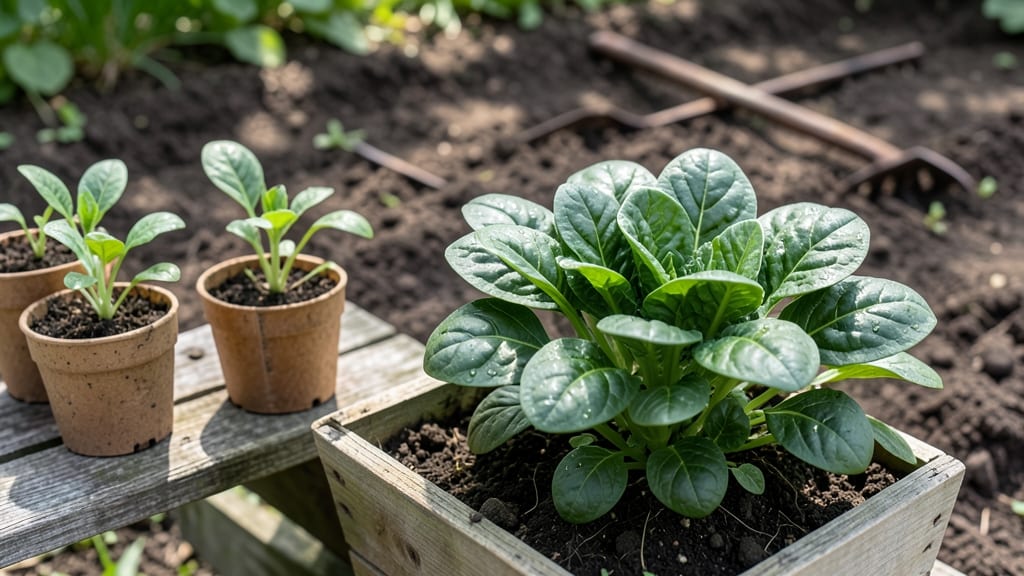
Planting spinach in Zone 7a at the right time means the difference between tender, sweet leaves and bitter, bolted frustration.
Spinach thrives in cool weather, but planting it at the wrong time in Zone 7a can lead to bitter leaves or bolting—here’s exactly when to sow seeds for the fastest, most flavorful harvest.
In Zone 7a, your best bets are early spring (February–March) or late summer (August–September) when temperatures stay between 32°F and 75°F. Miss these windows, and you risk bolting or stunted growth.
Below, I’ll walk you through the exact dates, soil prep, and spacing tricks to keep your 🥬 growing like a pro—no guesswork, just harvests.

Best planting windows for spinach in Zone 7a (with exact dates)
Spinach loves cool weather but wilts in heat, making timing critical in Zone 7a. The ideal temperature range is 32°F–75°F—any hotter, and you’ll get bitter leaves or bolting.
I’ve planted spinach for years here and learned the best windows are early fall, late winter, and spring, each with precise dates for maximum success.
For spring planting, aim for February through early March—this gives seedlings time to mature before summer heat arrives. Fall is equally productive: late August to mid-September lets you harvest before the first frost.
Even a late winter sowing in January can work if you use row covers to protect tender seedlings.
Here’s a quick reference for your planting schedule, including temperature thresholds and frost dates to avoid:
| Planting Window | Exact Dates (Zone 7a) | Ideal Soil Temp | Frost Risk | Harvest Window |
|---|---|---|---|---|
| Early Spring | Feb 15 – Mar 15 | 40°F–55°F | Low (after last frost) | Apr 1 – May 15 |
| Late Winter (Covered) | Jan 15 – Feb 10 | 35°F–45°F | High (use row covers) | Mar 1 – Apr 10 |
| Early Fall | Aug 15 – Sep 15 | 50°F–65°F | Low (before first frost) | Oct 1 – Nov 10 |
My spring spinach always does best when planted 4–6 weeks before the last frost date (around March 15 in Zone 7a). For example, sowing on February 20 ensures a April harvest before temperatures climb. I use a cold frame for January plantings to shield seedlings from late frosts.
Fall plantings are my favorite because the cooler nights prevent bolting. Start seeds in late August for a harvest by October, or wait until mid-September for a shorter but sweeter crop before frost.
The key is to time it so leaves mature 2–3 weeks before the first frost (usually November 15 in Zone 7a).
If you miss these windows, don’t despair—succession planting works well. Sow new seeds every 2 weeks in spring or 3 weeks in fall to stretch your harvest. Just avoid planting after April 15 or before October 1, or you’ll risk heat stress and bitter flavors.
Pro tip: Use shade cloth (30–50%) if planting in late spring to protect seedlings from intense sun. I’ve also had success with heat-tolerant varieties like ‘Tyee’ or ‘Space’ for slightly warmer conditions, though they still prefer cooler temps.
Remember, spinach is a cool-season crop, so prioritize even moisture and partial shade during hot afternoons. With these exact dates, you’ll avoid the common mistakes of bolting or stunted growth—and enjoy fresh, tender spinach all season long.
How to extend spinach harvests in Zone 7a’s hot summers
Zone 7a’s summer heat can turn your spinach into a bitter, bolted mess—but with the right strategies, you can enjoy fresh leaves even in July. The key is combining shade protection, succession planting, and heat-tolerant varieties to outsmart the heat.
I’ve grown spinach through Zone 7a summers for years, and these methods work like magic for extending harvests well beyond the usual spring window.
First, let’s tackle the biggest challenge: bolting. Spinach bolts when temperatures hit 75°F+, sending all its energy into seed production instead of leaf growth.
But by using 30-50% shade cloth and planting heat-resistant varieties, you can keep your spinach producing tender leaves even when your neighbors’ plants are flowering. I’ll walk you through the exact steps that have worked in my garden.
- 1. Choose heat-tolerant varieties like 'Bloomsdale Long Standing' or 'Tyee'—these handle 80°F+ better than standard types.
- 2. Install shade cloth (30-50%) to block 20-30% of sunlight—this keeps soil temps 10°F cooler than full sun.
- 3. Plant in partial shade under trees or on north-facing beds where temps stay 10°F lower than south-facing areas.
- 4. Use succession planting: Sow new seeds every 2-3 weeks from June through August for a rolling harvest.
- 5. Water deeply in mornings to keep soil consistently moist—drought stress is the #1 cause of bolting.
For succession planting, aim to sow seeds every 10-14 days starting in early June. This staggered approach ensures you always have young, tender leaves ready to harvest while older plants bolt.
In my garden, I mark planting dates on a monthly calendar with highlighters—June (light green), July (medium green), and August (dark green) are my prime months for summer spinach.
Don’t overlook the power of mulching. A thick layer of straw or wood chips keeps soil temps 5-10°F cooler and retains moisture, which is critical during Zone 7a’s dry spells.
I use 4-6 inches of mulch around my spinach beds, and it’s made the difference between bolting and bumper crops. Plus, it suppresses weeds that compete for nutrients your spinach needs.
If you’re growing spinach in containers, opt for 5-gallon pots with well-draining soil and place them in partial shade. Container-grown spinach bolts 2-3 weeks later than in-ground plants because the soil cools faster. I’ve had success with 'Space' spinach in containers—it’s compact and handles heat better than traditional varieties.
Remember, the goal isn’t to grow spinach in peak summer heat indefinitely—it’s about extending your harvest window by 4-6 weeks. With these techniques, you can enjoy fresh spinach from late spring through early fall in Zone 7a, giving you a longer season than most gardeners in your area.
The secret? Stay cool, stay consistent, and keep planting! 🌱