
Planting
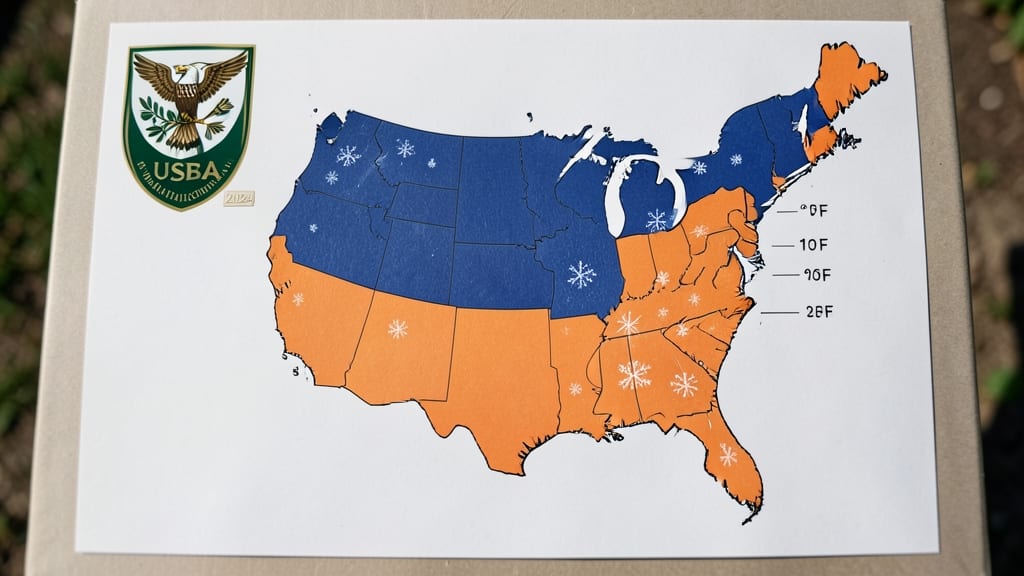
The USDA Plant Hardiness Zones 2024 reflect updated climate data, shifting zones slightly due to rising temperatures, with Zone 7 now covering more areas previously in Zone 6. Check the interactive map for your location’s new classification before planting perennial crops or cold-hardy species.
The 2024 update marks the first major revision since 2012, incorporating 30 years of temperature records from NOAA and PRISM climate models.
These shifts mean your garden's growing conditions may now align with a warmer zone than previously thought—especially in the Northeast and Midwest, where some areas have jumped from Zone 5 to Zone 6. 🌱 For example, perennial plants like lavender or peonies that thrived in Zone 6 might now succeed in Zone 7 without winter protection, while frost-sensitive varieties may need earlier planting dates to establish roots before the first freeze.
This isn't just about warmer winters—it's about longer frost-free seasons that extend growing periods. The USDA now recommends using the 10-year average minimum temperature (rather than the old 30-year standard) to determine zone boundaries, making the classifications more responsive to current climate reality.
If you're planning a new landscape or adjusting your garden layout, I'd suggest cross-referencing the 2024 map with your local cooperative extension service—they often have microclimate data that can help fine-tune your planting decisions.
💡 In This Article
- How Climate Change Is Reshaping USDA Plant Zones
- Practical Steps to Use 2024 Hardiness Zones for Gardening
How climate change is reshaping USDA plant zones
The 2024 USDA Plant Hardiness Zone Map reflects a 1.5°F average warming since the 2012 edition, primarily driven by NOAA's 30-year climate baseline (1991-2020).
This shift isn't uniform—some regions like the Northeast have warmed 2.5°F or more, causing zones to expand northward. 🌡️ The PRISM climate model (used for high-resolution data) reveals how urban heat islands and coastal moderation create microclimates where zones can differ by 1-2 degrees within just a few miles.
What's happening scientifically? Warmer winters delay first frost dates by 7-14 days in many areas, while earlier springs extend growing seasons. For example, Atlanta (previously Zone 7b) now falls in Zone 8a due to fewer -5°F nights.
The USDA's new 10-year average minimum temperature calculation makes zones more responsive to recent warming trends—something the old 30-year standard couldn't capture as quickly.
This has real consequences for gardeners. Plants like crape myrtle (Zone 7-9) or Russian olive (Zone 2-6) that were marginal in Zone 6a areas may now thrive without winter protection.
Conversely, frost-sensitive varieties like citrus trees (Zone 9-11) might need earlier planting or microclimate protection in newly classified Zone 8 areas. 🌿 The key is understanding that zone shifts don't just mean "warmer"—they mean changed frost patterns, soil temperatures, and even pest pressure.
Regional variations tell the full story. The Pacific Northwest shows minimal zone shifts (0.5°F) due to ocean moderation, while the Upper Midwest has seen 3°F+ warming in some areas.
Even within states, you'll find dramatic differences—like New York City (Zone 7b) vs Albany (Zone 6a), just 150 miles apart. This spatial variability is why the USDA now recommends checking both the interactive map and your local weather station data for precise planting guidance.
Here's what most gardeners miss: The zone shifts aren't just about winter hardiness. Warmer soils in spring mean earlier planting dates (2-3 weeks sooner in some cases), while extended autumn warmth allows for second crops of heat-loving vegetables.
For perennials, this means dividing plants earlier or choosing varieties with extended bloom times to take advantage of longer growing seasons.
The science behind these changes involves three key factors:
- Temperature trends: NOAA data shows 90% of U.S. zones have warmed since 2012, with the greatest changes in the Northern Plains and Northeast.
- Frost-free periods: Areas like Chicago now average 100+ frost-free days (up from 90 in 2012), extending the growing season by nearly a month.
- Microclimates: Urban areas can be 2-5°F warmer than rural zones just miles away, creating planting opportunities for heat-loving species.
For visual comparison, overlay the 2012 and 2024 maps—you'll see Zone 7 now covers 20% more area nationwide, while Zone 1 (the coldest) has shrunk by 30%. This isn't just academic; it directly impacts which plants will thrive in your garden this year. 🌍