
How To
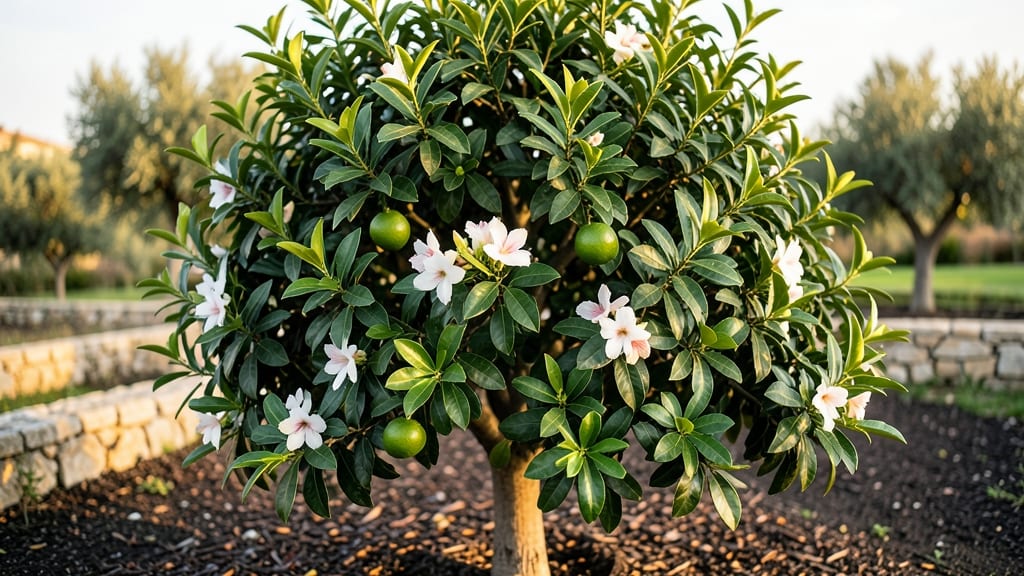
USDA Planting Zones 9 through 11 allow year-round gardening in frost-free climates, perfect for growing tropical plants like hibiscus, bougainvillea, and citrus. These zones require careful microclimate adjustments—such as shade placement and windbreaks—to handle their unique humidity and temperature variations.
Gardening in these frost-free zones means you can grow plants that would freeze in colder climates, but each zone has its own challenges. 🌿 Zone 9 often deals with dry heat, while Zone 11 faces high humidity and intense sun—both can stress plants if not managed properly.
The key is understanding how to create localized growing conditions, like using shade cloth for delicate blooms or windbreaks near coastlines to protect from salt spray. Many gardeners in these zones also adjust planting schedules to take advantage of seasonal rains and avoid peak heat stress.
For example, citrus trees thrive in Zone 11's high humidity but need protection from afternoon sun, while Zone 9's bougainvillea benefits from afternoon shade during summer months. These microclimate tweaks can mean the difference between a struggling plant and a thriving garden.
The secret isn't just choosing the right plants—it's creating the right environment for them to flourish year after year.
💡 In This Article
- How Temperature and Humidity Shape Plant Success in Zones 9-11
- Microclimate Hacks for Thriving Gardens in Zones 9-11
How temperature and humidity shape plant success in zones 9-11
The dramatic shift from Zone 9's dry heat to Zone 11's tropical humidity creates distinct growing challenges. Zone 9 experiences average winter lows of 20-30°F, while Zone 11 rarely drops below 30°F—meaning plants must endure either intense summer heat or year-round moisture challenges.
The key difference lies in evaporation rates: Zone 9's arid conditions cause plants to lose moisture rapidly through transpiration, while Zone 11's high humidity creates perfect conditions for fungal diseases like powdery mildew and root rot.
This is why bougainvillea thrives in Zone 9 with minimal irrigation but struggles in Zone 11's damp air without proper airflow.
Heat tolerance thresholds vary dramatically between zones. For instance, citrus trees can handle Zone 11's 90-100°F daytime highs but may suffer leaf scorch in Zone 9's 110°F+ peaks without afternoon shade.
The science behind this lies in stomatal regulation—citrus leaves close stomata (pores) during extreme heat to conserve water, which reduces photosynthesis efficiency. Meanwhile, tropical plants like hibiscus actually require high humidity (70%+) to prevent leaf desiccation, making Zone 11 their ideal habitat.
Coastal areas within these zones add another layer, with salt spray damaging foliage unless protected by windbreaks.
Seasonal patterns create additional complexities. Zone 9's "winter" (December-February) still averages 60°F days, allowing year-round growth but requiring drought-resistant varieties like rosemary or thyme. Zone 11's "cool season" (November-February) drops to 75-85°F nights, perfect for growing winter greens like kale or Swiss chard that would bolt in colder climates.
The humidity difference also affects flowering cycles—hibiscus blooms continuously in Zone 11's stable conditions but may go dormant during Zone 9's dry summers without supplemental watering.
Soil temperature plays an equally critical role. In Zone 9, soil can reach 120°F+ in summer, requiring mulch depths of 3-4 inches to protect roots. Zone 11's soil stays consistently warm (75-85°F year-round), allowing tropical plants to grow faster but demanding well-draining mixes to prevent waterlogging.
The root zone temperature difference explains why sweet potatoes thrive in Zone 11 (soil temps >70°F) but struggle in Zone 9's heat spikes unless planted in raised beds with shade cloth.
What most gardeners overlook is how these factors interact with plant physiology. For example, cactus species in Zone 9 close their stomata during 100°F+ days to prevent water loss, while the same species in Zone 11 may develop fungal infections from excess moisture trapped in their tissues.
This physiological response explains why Zone 9 gardens often use 50% less water than Zone 11 counterparts for the same plants. The solution lies in matching plant selection to these specific environmental pressures—like choosing drought-tolerant succulents for Zone 9's arid conditions versus moisture-loving ferns for Zone 11's rainforest-like humidity.
Understanding these interactions lets you create targeted microclimates. A simple shade cloth (30-50% coverage) can drop leaf temperatures by 15-20°F during peak sun, while a 2-foot-tall windbreak reduces salt spray damage by 70% in coastal gardens.
These adjustments transform environmental challenges into growth opportunities, allowing you to grow plants that would otherwise struggle in these zones' extremes. 🌿