
Planting
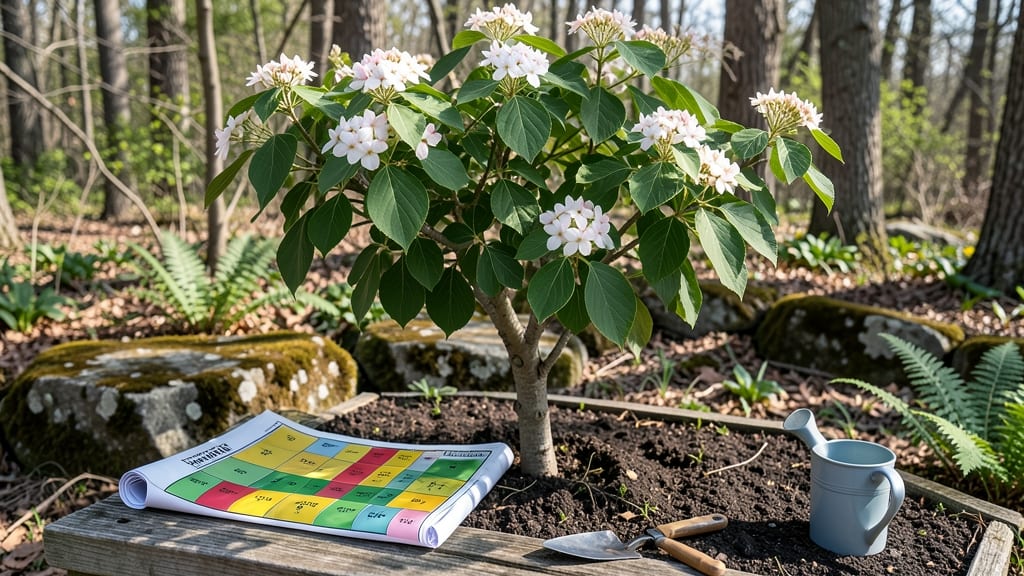
Pennsylvania's gardening zones range from USDA Zone 5b to 7a, with most areas falling in Zones 5b and 6b, while mountain regions dip to Zone 4a and southern areas reach Zone 7a.
Pennsylvania's diverse geography creates these varied zones—mountainous areas like the Poconos experience colder winters (Zone 4a), while cities like Philadelphia and Pittsburgh typically sit in Zone 6b. 🌿 The state's broad range means gardeners must consider both their specific location and microclimates, like urban heat pockets or sheltered valleys, when selecting plants.
For example, tender perennials like lavender thrive in Zone 7a areas but may struggle in Zone 5b without winter protection.
This zone variation explains why some plants flourish in one part of the state but fail just 50 miles away. Understanding your exact zone—available through the USDA's interactive map—helps match plants to your garden's frost risk.
I always recommend checking local weather patterns too, as they can push your microclimate one zone warmer or colder than the official map suggests.
💡 In This Article
- Pennsylvania’s USDA Zones Explained: How Geography Shapes Plant Survival
- Microclimate Gardening in Pennsylvania: Adjusting for Local Conditions
Pennsylvania’s USDA zones explained: how geography shapes plant survival
Pennsylvania’s gardening zones reflect its dramatic topography, where elevation changes of just 1,000 feet can shift temperatures by 5°F or more. The state’s mountainous regions—like the Poconos and Allegheny Plateau—plunge into Zone 4a, where average minimum winter temperatures hit -30°F.
Meanwhile, lowland valleys and southern cities like Harrisburg and Lancaster bask in Zone 7a, with milder winters around 0°F. This gradient occurs because cold air sinks into valleys, while mountain peaks experience windier, drier conditions that accelerate heat loss at night.
The USDA’s zone classification system measures the average annual minimum temperature over a 30-year period, accounting for both long-term climate trends and local geography.
For example, Philadelphia’s Zone 6b designation means its last spring frost typically occurs around April 15, while Scranton’s Zone 5b delays planting until May 1. The state’s northern tier—including Erie—also experiences lake-effect snow from Lake Erie, pushing some areas into Zone 5a despite their coastal location.
This phenomenon occurs when cold air passes over warmer lake waters, creating intense snowfall that extends the growing season’s chill.
Understanding these zones helps gardeners select cold-hardy plants. For instance, Zone 4a mountain gardens thrive with varieties like Siberian pea shrub (which tolerates -40°F), while Zone 7a areas support tender crops like fig trees or olives that would perish in colder zones.
The USDA’s interactive map provides precise zone data, but I always cross-reference it with local weather stations—some urban areas, like Pittsburgh’s downtown, can be 2-3°F warmer than surrounding rural zones due to the "heat island" effect from pavement and buildings.
Latitude also plays a role: Northern Pennsylvania’s shorter growing seasons (150-160 days) contrast with southern regions’ 180-200 days. This difference explains why corn matures reliably in Lancaster County but struggles in the Poconos without early planting.
For gardeners, this means adjusting planting dates by 2-4 weeks when moving just 100 miles north. The USDA’s zone map simplifies this complexity, but real-world adjustments often require fine-tuning based on your specific elevation and microclimate.
One often-overlooked factor is soil temperature, which can lag behind air temperature by 2-4 weeks in spring. In Zone 5b, for example, soil may not reach 50°F (the safe threshold for planting warm-season crops) until late May, even if air temperatures warm earlier.
This delay is critical for vegetables like tomatoes and peppers, which need consistent warmth to germinate. Gardeners in transitional zones often use row covers or black plastic mulch to accelerate soil warming by 5-10°F.
For those new to Pennsylvania gardening, start by identifying your exact zone using the USDA’s interactive map, then observe your garden’s microclimate for 3 years to refine predictions.
Noticing where frost lingers longest or where heat collects in summer will help you push zone limits—like planting Zone 6 perennials in sheltered microclimates one zone colder.