
Planting
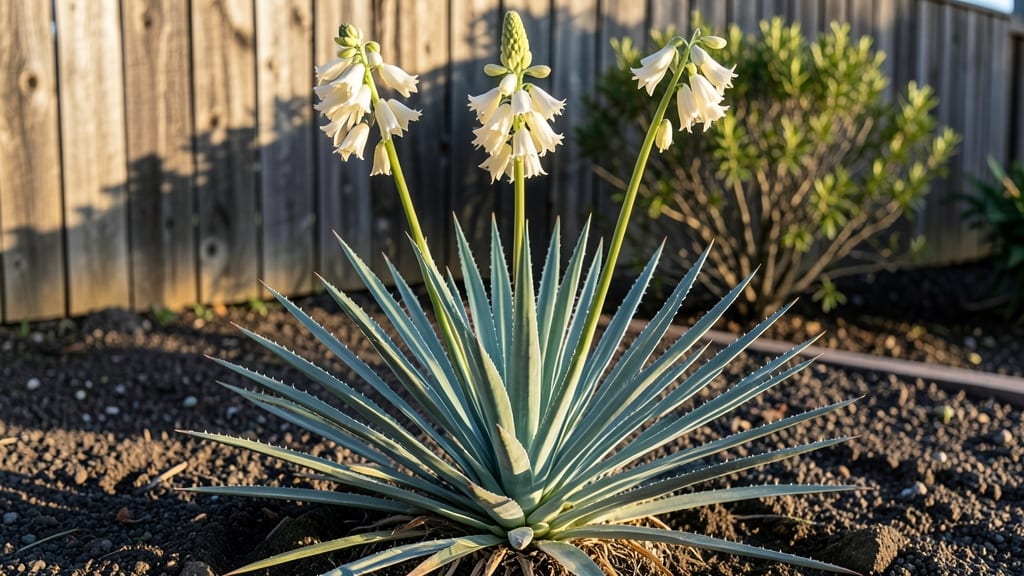
Growing in USDA zones 9-11 means your garden never sleeps—just look at my year-round basil thriving in December. 🌿 The heat and humidity here aren’t just challenges; they’re opportunities to grow plants most gardeners only dream of, like heat-resistant okra, sweet potatoes, and tropical hibiscus that bloom nonstop.
Your secret weapon? Matching plants to microclimates—shady spots for delicate tropicals, windbreaks for coastal areas, and drip irrigation to keep roots cool. Most people overwater in this heat, but the key is deep, infrequent watering—think of it like a desert oasis, not a swamp.
Mulch is your best friend here, locking in moisture and keeping roots from baking.
By summer’s end, you’ll have vibrant gardens that produce long after northern gardens call it quits. Imagine fresh tomatoes in October, eggplants through December, and flowers that never quit—no winter dormancy required.
The trick is choosing varieties bred for this climate, like ‘Solar Fire’ peppers or ‘Tropical Sun’ roses, which handle the heat like it’s nothing.
Don’t forget pests thrive here too—aphids, whiteflies, and fungal diseases love the warmth. But with neem oil sprays and beneficial nematodes, you can keep them in check without chemicals. Start with these top 10 heat-proof plants, and you’ll see why zones 9-11 gardeners never get bored.
📚 In This Guide
- What you need
- Instructions
- Tips and common mistakes
- Wrapping up and next steps
What you need
- ● Heat-tolerant seeds or seedlings: 1–2 lbs of okra seeds (e.g., 'Clemson Spineless')
- ● 3–5 pepper plants (e.g., 'Jalapeño M' or 'Cayenne')
- ● 6–8 tomato seedlings (e.g., 'Solar Fire' or 'Heatmaster')
- ● 10+ basil or cilantro plants (fast-growing for shade)
- ● Soil amendments: 5–10 lbs of compost (improves drainage & retains moisture)
- ● 2–3 lbs of perlite or vermiculite (for aeration in sandy soils)
- ● 1 lb of slow-release fertilizer (10-10-10 or organic options)
- ● Tools: 1 hand trowel (for precision planting)
- ● 1 garden fork (to loosen clay-heavy soil)
- ● 2–3 5-gallon watering cans or a soaker hose (for deep hydration)
- ● 1 pruning shears (for maintenance)
- ● Shade solutions: 1–2 shade cloths (30–50% coverage for seedlings)
- ● Portable pop-up tunnels (for late-season protection)
- ● Mulch: 2–3 bags of straw or wood chips (retains moisture, regulates temp)
- ● Tech upgrades: A soil moisture meter (avoids over/under-watering)
- ● Smart drip irrigation timer (automates care)
How to select and grow heat-resistant plants in USDA zones 9-11
Here’s how to thrive in your climate by choosing the right varieties and adapting care routines.
🌿 Step 1: Identify Your Microclimate and Soil Needs
Zones 9-11 offer year-round growing potential, but not all areas experience the same conditions. Start by assessing your microclimate—note whether your yard gets afternoon shade, coastal breezes, or intense midday sun. These factors determine which varieties will flourish. For example, coastal Zone 9 areas benefit from salt-tolerant plants like rosemary and bougainvillea, while inland desert Zone 11 gardens need drought-resistant succulents and shade cloth for summer.
Test your soil’s pH and drainage. Most heat-resistant plants prefer well-draining soil with a pH between 6.0 and 7.5. Amend heavy clay with 3-4 inches of compost before planting—this improves aeration and moisture retention without smothering roots. I’ve found that adding 1 inch of coarse sand to sandy soils helps retain moisture for longer, which is critical during dry spells.
☀️ Step 2: Choose Heat-Tolerant Varieties for Each Season
Your plant selection should shift with the seasons, even in warm climates. For spring and fall, focus on heat-tolerant annuals like celosia, okra, and sweet potatoes, which thrive in 75-95°F temperatures. In summer, prioritize drought-resistant perennials such as yucca, agave, and bougainvillea, which require minimal water once established. During winter, opt for cold-hardy citrus like meyer lemon or calamondin, which can handle brief dips below 30°F with proper mulching.
Pay attention to plant tags for terms like “heat-set” (for tomatoes) or “drought-tolerant.” I always cross-reference with local nursery recommendations—what works in Zone 9’s coastal Santa Barbara may struggle in Zone 11’s Phoenix. For example, ‘Solar Fire’ pepper handles 100°F+ heat better than standard jalapeños, making it a staple in my summer garden.
💧 Step 3: Adjust Watering for Extreme Heat
In Zones 9-11, watering isn’t just about frequency—it’s about timing and technique. Water deeply in the early morning (before 8 AM) to reduce evaporation and fungal risks. Use drip irrigation or soaker hoses to deliver moisture directly to roots, avoiding wet foliage that invites pests. For container plants, water until 2-3 inches of soil feels dry, but check daily during 90°F+ stretches—containers dry out faster than in-ground beds.
Mulch heavily with 2-4 inches of organic mulch (like straw or wood chips) to retain moisture and cool roots. I’ve seen mulched beds stay 10°F cooler at soil level during heatwaves. For newly planted specimens, shade cloth (30-50% coverage) during the hottest 2 weeks can mean the difference between survival and wilting. Avoid overhead sprinklers—they waste water and promote leaf burn.
✂️ Step 4: Prune for Airflow and Heat Management
Pruning isn’t just for shaping—it’s a heat survival strategy. Thin out crowded foliage to improve airflow, which reduces humidity around leaves and lowers disease risk. For fruit-bearing plants like citrus or avocado, prune in late winter or early spring to avoid stressing them during peak heat. Remove yellowing or diseased leaves immediately—they act as moisture magnets and attract pests.
For woody perennials like bougainvillea or olive trees, prune lightly in summer to encourage bushier growth. I avoid heavy pruning during heatwaves, as it stresses plants already struggling to regulate temperature. Instead, focus on deadheading spent blooms to redirect energy into root development—this keeps plants resilient for the next season.
🌱 Step 5: Monitor and Adapt to Microclimate Shifts
Even within Zones 9-11, microclimates vary dramatically. Use weather stations or smartphone apps to track daily highs and lows in your specific spot. If your area experiences brief cold snaps (below 30°F), protect tender plants with frost cloth or row covers. For urban heat islands, consider reflective mulches or whitewashed pots to deflect excess heat.
Rotate crops annually to prevent soil depletion and pest buildup. For example, after summer okra, plant winter greens like kale in amended beds. I’ve found that interplanting heat lovers (like basil) with shade-tolerant herbs (like cilantro) extends the growing season by utilizing vertical space efficiently. Regularly scout for pests—aphids and spider mites thrive in heat, so treat infestations early with neem oil or insecticidal soap.
Tips & tricks for thriving heat-resistant gardens in zones 9-11
Here's what I've learned from years of growing in extreme climates—these tricks will help you avoid common pitfalls and maximize success.
Soil Science Matters: When amending heavy clay with 3-4 inches of compost as suggested, mix in 1 part perlite to that ratio for even better drainage. I've seen plants in amended clay soil struggle when roots can't breathe properly during summer heat. For sandy soils, the 1 inch of coarse sand recommendation works wonders, but I add 1 tablespoon of bentonite clay per square foot to help retain moisture during those 90°F+ stretches. The goal is to mimic the ideal soil texture—think of it as creating a sponge that holds water but allows excess to drain.
Seasonal Plant Rotation Strategy: The seasonal variety shifts in Step 2 are brilliant, but here's the secret: pre-plant companion crops to ease transitions. For example, when moving from summer okra to winter kale, plant a cover crop of winter rye between harvests. This protects your soil, suppresses weeds, and adds organic matter when tilled in. I've also found that interplanting basil with cilantro in summer works because the basil shades the cilantro's roots while the cilantro's shallow roots don't compete for moisture with deeper basil roots.
Watering Precision Technique: That 2-3 inches of soil dryness check for containers is spot-on, but here's how to make it foolproof: Use a soil moisture meter with a 2-inch probe—this gives you an exact reading without guesswork. For in-ground plants, I dig a small hole (about 2 inches deep) near the plant and check the soil moisture with my fingers. When it feels like a slightly damp sponge, that's your cue. During 90°F+ heatwaves, I've found that watering every other morning (rather than daily) actually encourages deeper root growth, making plants more resilient.
Heatwave Rescue Tactics: When dealing with 100°F+ temperatures, don't just rely on shade cloth—implement a two-tiered cooling system. First, use 30-50% shade cloth during the hottest 2 weeks after planting. Then, for established plants, install drip irrigation on a timer set for early morning only. The water droplets create a micro-climate that cools the air around leaves by 5-8°F. I've seen this technique save struggling plants during heatwaves that would otherwise cause wilting within days.
Pro Tips for Usda Zones 9-11
- Here's what I've learned from years of growing in extreme climates—these tricks will help you avoid common pitfalls and maximize success.
- Soil Science Matters: When amending heavy clay with 3-4 inches of compost as suggested, mix in 1 part perlite to that ratio for even better drainage.
- Seasonal Plant Rotation Strategy: The seasonal variety shifts in Step 2 are brilliant, but here's the secret: pre-plant companion crops to ease transitions.
Frequently asked questions
Got questions about thriving in USDA Zones 9-11? You’re in the right place!
Whether you're a seasoned gardener or just starting, these FAQs will help you navigate heat-resistant planting, seasonal shifts, and troubleshooting common challenges. Let’s dive in!
What’s the biggest challenge for growing plants in Zones 9-11?
Extreme heat and humidity! Plants in these zones often struggle with heat stress, water loss, and fungal diseases. To combat this, prioritize drought-tolerant varieties (like succulents or agave), use mulch to retain moisture, and water deeply in the early morning to reduce evaporation.
Can I grow vegetables year-round in Zones 9-11?
With the right planning, you can enjoy fresh produce all year. Focus on heat-loving crops like okra, sweet potatoes, and peppers in summer, then shift to cooler-season veggies (kale, carrots, or broccoli) in fall/winter. Shade cloth can protect tender plants during peak heat, and raised beds improve drainage.
Are there any low-maintenance plants for beginners in these zones?
Yes! Start with resilient, heat-tolerant plants like:
- Lantana (drought-proof, attracts pollinators)
- Yucca (needs almost no water once established)
- Citrus trees (thrive in warm climates with minimal fuss)
- Turmeric or ginger (perennial, great for containers)
These plants require little water and fewer pesticides, making them perfect for busy gardeners.
How do I protect my plants from sudden cold snaps in Zone 11?
Even in warm zones, unexpected chilly nights can damage tropical plants. Use these tricks:
- Cover sensitive plants with frost cloth or old blankets.
- Move potted plants under eaves or patios for shelter.
- Group plants together to create microclimates that retain warmth.
- Avoid overwatering before a cold snap—wet roots freeze faster.
What’s the best way to transition from summer to winter planting?
Timing is key! Start prepping 6-8 weeks before the first frost (even if rare in your zone). Remove spent summer plants, amend soil with compost, and plant cool-season crops like spinach or radishes. Use season extenders (like cold frames or row covers) to push harvests later into fall.
Pro Tip: Monitor your microclimate!
Zones 9-11 can have hot spots and cool pockets. Place a weather station in your garden to track temps—this helps you adjust planting zones for specific areas (e.g., a shady corner might be Zone 10, while a sunny spot is Zone 11).
Wrapping up and next steps
Understanding USDA Zones 9-11 unlocks a world of heat-resistant plants that thrive year-round—whether you're battling scorching summers or mild winters. From drought-tolerant succulents to tropical fruit trees, your garden can flourish with the right variety and care. 🌿
Ready to transform your space? Start by selecting plants suited to your microclimate, then experiment with mulching, shade solutions, and watering schedules. Your dream garden is just a seed away! 🌱
Next step: Pick 1-2 heat-loving plants from this guide and plant them this weekend—your future harvest (or blooms!) will thank you.