
Planting
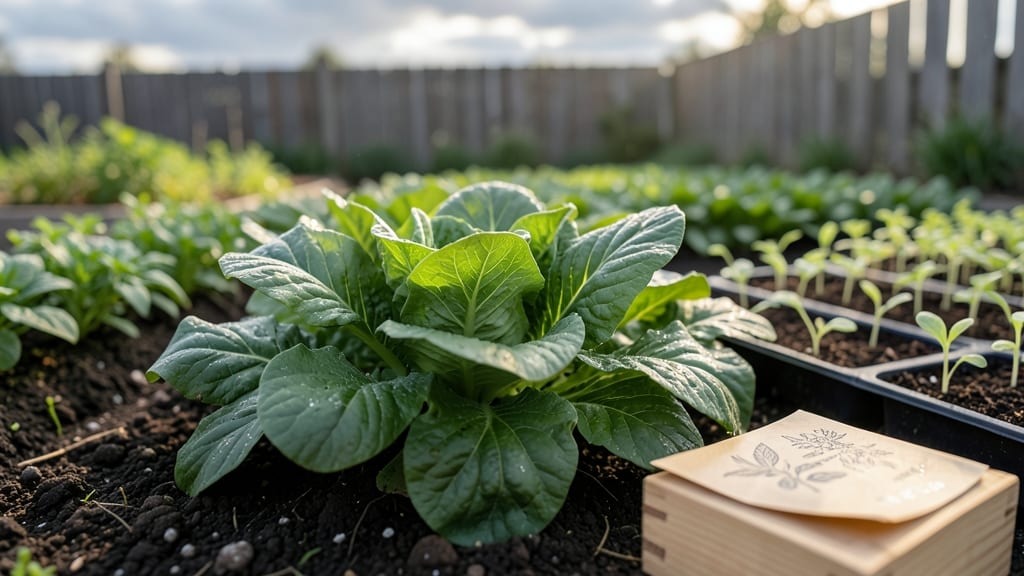
Zone 7’s unpredictable springs and long summers demand the right vegetable seeds—cold-resistant varieties that handle early frosts and heat waves without bolting. 🌱 I’ve learned the hard way which seeds actually perform here: broccoli that survives light freezes, tomatoes that don’t shrivel in August, and greens that regrow after mowing.
The key isn’t just planting; it’s choosing varieties bred for your zone’s extremes.
Cool-season crops like kale, peas, and spinach thrive when planted in late winter (February-March) or fall (August-September), while warm-season favorites—like okra, sweet potatoes, and black-eyed peas—wait until after your last frost (mid-April).
Succession planting every 2-3 weeks keeps harvests steady, but timing matters: too early, and seedlings rot; too late, and you miss peak flavor. My garden’s most reliable performers? ‘Winterbor’ kale for frost tolerance and ‘Celebrity’ tomatoes that handle Zone 7’s humidity.
You’ll end up with a garden that produces throughout the year, not just summer. Imagine crisp lettuce in October, fresh tomatoes in July, and still-green beans in September—all because you matched seeds to your zone’s quirks.
The secret’s in the labels: look for “cold-hardy” or “heat-tolerant” tags, and avoid varieties bred for shorter seasons. Your harvest will thank you.
Zone 7’s humidity and temperature swings mean soil prep matters too—amend with compost before planting to improve drainage, and mulch heavily to keep roots cool. These adjustments turn “iffy” seasons into reliable harvests. Let’s get those seeds in the ground at the perfect time!
📚 In This Guide
- What you need
- Instructions
- Tips and common mistakes
- Wrapping up and next steps
What you need
- ● Vegetable seeds (Zone 7-compatible): Cold-hardy varieties like kale, spinach, broccoli, peas, lettuce, and Swiss chard (1–2 packets per type, ~50–100 seeds per packet).
- ● Warm-season starters (e.g., tomatoes, peppers, cucumbers) for transplanting after frost (~3–5 plants per variety).
- ● Seed-starting mix: 1–2 bags (10–15 quarts) of sterile, well-draining potting soil.
- ● Containers or trays: 1–2 seedling trays (with cells) or small pots (3–4 inches deep) for indoor starts.
- ○ Grow lights or sunny windowsill: Optional but helpful for seedlings (12–16 hours of light/day).
- ● Hand trowel: 1 medium-sized (for transplanting seedlings).
- ● Garden gloves: 1 pair (to protect hands from soil and thorns).
- ● Watering can or spray bottle: 1 (with a fine mist nozzle for seedlings).
- ● Pruners or scissors: 1 pair (for trimming plants later).
- ○ Row cover or frost cloth (optional): 1 roll (to protect early seedlings from late frosts).
- ● Sunlight access: At least 6–8 hours of direct sunlight daily for outdoor planting.
- ○ Soil test kit (optional): To check pH and nutrient levels before planting.
- ● Frost date reference: Know your last frost date (typically late March–early April in Zone 7) to time planting.
- ○ Compost or fertilizer (optional): 1–2 bags of organic compost or balanced fertilizer (10-10-10) for enriching soil.
Step-by-step guide to selecting and planting cold-resistant vegetable seeds in Zone 7
Zone 7’s unpredictable springs and late frosts demand smart seed choices—here’s how to pick and plant varieties that thrive despite the chill.
🌱 Step 1: Choose Cold-Tolerant Seed Varieties for Zone 7
Look for seed packets labeled "cold-hardy," "early maturing," or "short-day"—these handle Zone 7’s 25-30°F nighttime dips better than standard varieties. I always prioritize peas, spinach, kale, and broccoli for early spring, as they germinate in 40-50°F soil. Check the "days to maturity" on packets—aim for 50-60 days or less to harvest before summer heat arrives.
For fall planting, select spinach, lettuce, and radishes that tolerate light frosts—they’ll keep producing until 28°F. Avoid heat-sensitive crops like tomatoes or peppers until soil warms above 60°F. I keep a seed journal to track which varieties perform best in my microclimate, since even Zone 7 has pockets of frost pockets.
📅 Step 2: Time Plantings for Zone 7’s Frost Windows
Start seeds 6-8 weeks before your last frost date (typically mid-March in Zone 7) for cool-season crops like kale, cabbage, and carrots. Use a seed-starting heat mat to maintain 70-75°F soil temps for faster germination—critical when daytime highs are still in the 50s. I test soil temperature with a thermometer before planting; if it’s below 50°F, wait or use black plastic mulch to warm it.
For direct-sown seeds, wait until soil reaches 55-60°F—this prevents "chilling injury" where seeds rot instead of sprouting. Plant peas and spinach as soon as soil is workable in early spring, but hold off on beans and cucumbers until after May 15, when nighttime lows stay above 45°F. I mark my calendar with frost-free dates from my local cooperative extension office to avoid costly mistakes.
🌿 Step 3: Prepare Beds for Cold-Resistant Success
Zone 7’s clay-heavy soils drain poorly in spring, so amend beds with 2 inches of compost and 1 inch of perlite to improve aeration. I till in aged manure (not fresh—it burns roots) to boost organic matter, which helps seeds establish faster in cool conditions. For raised beds, mix 50% native soil, 30% compost, and 20% coconut coir to retain moisture without compacting.
Plant seeds twice as deep as their diameter—deeper in dry spells, shallower in wet ones. Use a seed spacing chart (often on the back of packets) to avoid overcrowding; for example, carrots need 2 inches apart, while onions can handle 4 inches. Mulch with straw after planting to protect tender seedlings from 28-32°F dips—this is non-negotiable in Zone 7’s spring.
☀️ Step 4: Protect Seedlings from Late Frosts
Even cold-hardy seeds need frost blankets when temperatures dip below 30°F. I use floating row covers (not plastic sheeting—it traps too much heat) to shield seedlings while allowing sunlight. Secure edges with bricks or soil so wind doesn’t rip them off. For extreme cold snaps, drape lightweight fabric row covers over hoops and anchor with clothespins—this creates a 5-10°F warmer microclimate without overheating plants.
Watch for frost damage (silver-gray leaves, mushy stems) and remove affected plants immediately to prevent disease spread. If a frost hits after seedlings emerge, they’ll often recover—just water deeply to help them bounce back. I keep a small fan nearby to circulate air under covers, which prevents powdery mildew that thrives in stagnant humidity.
⏰ Step 5: Succession Plant for Continuous Harvests
Zone 7’s short growing season means succession planting is key. After harvesting early peas or radishes, replant with bush beans or turnips—these tolerate heat better than spring crops. I stagger plantings every 2-3 weeks from April through June, using shade cloth on new seedlings to harden them gradually. For fall, start broccoli and cabbage in late July for a September-October harvest before hard frosts.
Rotate crops annually to prevent soil-borne diseases like clubroot in brassicas. I keep a simple garden map to track where each family (nightshades, brassicas, legumes) grew the previous year. This ensures nitrogen-fixing peas replenish soil for heavy feeders like tomatoes in subsequent years—critical for Zone 7’s nutrient-leaching soils.
Tips & tricks for cold-resistant vegetable seed planting in Zone 7
Mastering these cold-resistant planting strategies will help you beat Zone 7's notorious frost challenges and grow a thriving garden.
Temperature Precision: Always verify soil temperature with a thermometer before planting—especially for direct-sown seeds. The 55-60°F range is non-negotiable for preventing chilling injury. I keep a small digital thermometer buried in the soil for quick checks. For early spring plantings, black plastic mulch can raise soil temperatures by 5-10°F when daytime highs linger in the 50s, creating that critical window for germination.
Seed Selection Strategy: When choosing varieties, prioritize those labeled "early maturing" with 50-60 days to harvest—this ensures you'll beat Zone 7's summer heat before it arrives. I've found that 'Early Wonder' peas and 'Winter Density' kale consistently outperform standard varieties in my microclimate. For fall plantings, look for varieties with "light frost tolerance" ratings—these will keep producing until 28°F rather than bolting in the first chill.
Frost Protection Layering: The 30°F threshold is your warning point for frost blankets. I've learned to layer protection: start with floating row covers for 5-10°F warmer microclimates, then add lightweight fabric row covers over hoops for extreme cold snaps. The key is securing edges with bricks or soil—nothing ruins a good cover faster than wind tearing it away. I keep a stash of clothespins and bricks near my garden for quick deployment.
Soil Preparation Secret: Zone 7's clay-heavy soils need the 2 inches of compost and 1 inch of perlite amendment to prevent waterlogging during spring's unpredictable rains. I mix in aged manure (never fresh!) to boost organic matter, which helps seeds establish faster in cool conditions. For raised beds, the 50-30-20 mix of native soil, compost, and coconut coir creates the perfect balance of drainage and moisture retention.
Pro Tips for Vegetable Seeds For Zone 7
- Mastering these cold-resistant planting strategies will help you beat Zone 7's notorious frost challenges and grow a ...
- 🌡️ Temperature Precision: Always verify soil temperature with a thermometer before planting—especially for direct-so...
- Seed Selection Strategy: When choosing varieties, prioritize those labeled "early maturing" with 50-60 days to harves...
Frequently asked questions
about growing vegetable seeds in Zone 7—because even the best-laid plans need a little troubleshooting! Here are answers to the most common questions to help you grow like a pro.What’s the best time to plant vegetable seeds in Zone 7?
Zone 7’s last frost date (around April 15–May 1) guides planting. Start cold-hardy crops (like peas, spinach, or kale) 4–6 weeks before the last frost. Warm-season veggies (tomatoes, peppers) need soil temps above 60°F—wait until mid-May to June. Use a frost calendar for your exact location!
Can I plant seeds too early in Zone 7?
Yes—but risk damage! Seeds planted 4+ weeks before last frost may rot or sprout too early. For extra protection, use row covers or start indoors with a heat mat. If frost hits, cover seedlings with blankets or cloches. Pro tip: Harden off seedlings gradually to avoid shock!
What are the easiest vegetable seeds to grow for beginners in Zone 7?
Start with low-maintenance, fast-growing picks:
- Lettuce (30–50 days)
- Radishes (25–30 days)
- Green beans (50–60 days)
- Zucchini (45–55 days)
- Bush peas (60–70 days)
How do I extend the growing season in Zone 7?
Zone 7’s short summers? No problem! Use these tricks:
- Cold frames or hoop tunnels for early/late harvests.
- Row covers to delay frost damage on greens.
- Plant heat-lovers late (e.g., okra in July).
- Fall crops: Sow broccoli, carrots, or spinach in August for winter harvests.
Why aren’t my Zone 7 vegetable seeds germinating?
Check these common culprits:
- Wrong soil temp: Too cold (<60°F)? Try a seedling heat mat.
- Poor soil: Amend with compost for moisture + nutrients.
- Old seeds: Test viability with a paper towel germination test.
- Too deep: Most seeds need only ½–1 inch of soil.
Wrapping up and next steps
Growing your own vegetables in Zone 7 is a rewarding journey, and choosing the right cold-resistant seeds sets you up for success!
Whether you’re a seasoned gardener or just starting, the key is selecting varieties that thrive in your climate and match your goals—whether it’s crisp greens, hearty tomatoes, or flavorful peppers. With the right prep and patience, you’ll enjoy a bountiful harvest that’s both satisfying and delicious.
Ready to take the next step? Start small—pick 3-5 seeds to experiment with this season, then expand your garden as you gain confidence. Happy planting! 🌱