
Planting
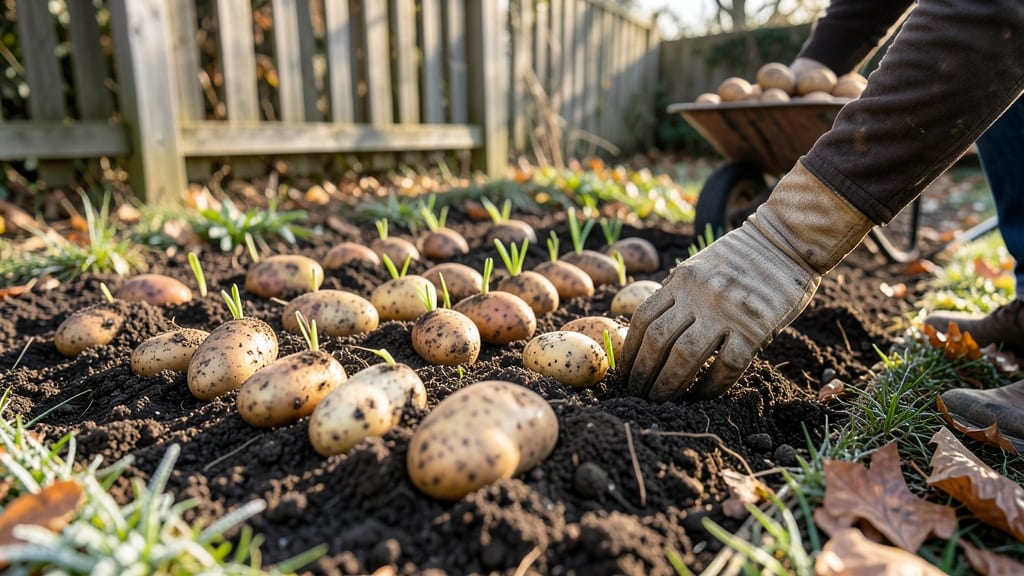
October in Zone 7 offers a perfect window to plant cold-hardy crops that establish roots before winter. These 10 frost-resistant plants will reward you with early spring harvests or overwintering success—ideal for extending your growing season.
Garlic Cloves for Spring Harvest
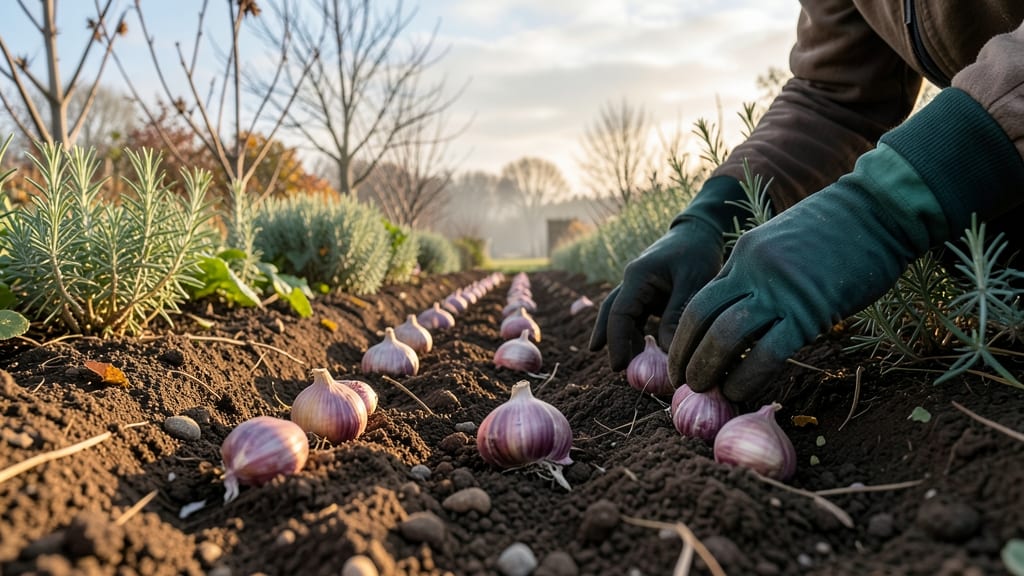
Want bigger, healthier garlic bulbs next summer? Planting in October is your secret weapon—it lets garlic establish strong roots before winter dormancy, resulting in larger harvests the following year. This method is especially rewarding for beginners and organic gardeners who want minimal fuss and maximum flavor.
Break apart hardneck garlic varieties (like 'Music' or 'German White') and plant individual cloves 2 inches deep, pointy-end up, in well-draining soil. Space them 6 inches apart in rows 12 inches apart. A light mulch of straw or leaves helps insulate the soil and suppress weeds. Unlike spring planting, fall garlic doesn’t need fertilizing—just let it grow slowly through winter.
This approach is perfect for small gardens, raised beds, or even containers—no special equipment needed. By skipping the spring rush, you’ll enjoy plump, flavorful bulbs that store longer and taste sweeter. 🌱
Spinach Seeds for Overwintering Greens
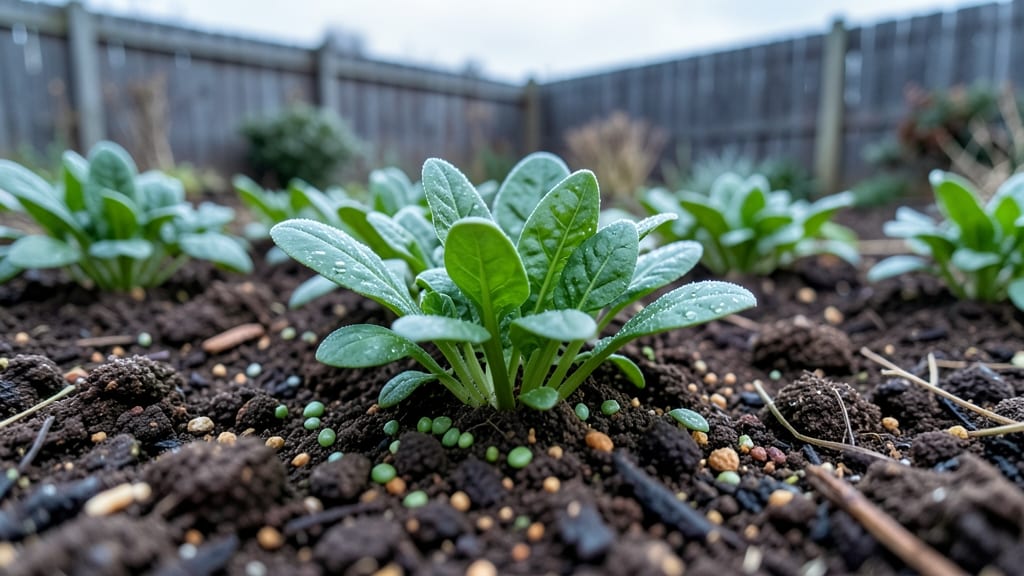
If you're craving fresh greens in winter, spinach seeds are your secret weapon—this cold-tolerant crop thrives in October's cooler temps and even survives light frosts. Unlike many spring vegetables, spinach doesn't bolt in the heat, making it perfect for extending your harvest season.
Sow seeds directly into well-draining soil or containers, spacing them about 1 inch apart in rows 12 inches apart. For overwintering success, choose varieties like 'Bloomsdale Long Standing' or 'Tyee', which handle Zone 7 winters exceptionally well. Mulch heavily with straw or leaves to protect roots from freezing, and harvest outer leaves as needed to encourage continuous growth.
This hardy green is especially great for urban gardeners with limited space—spinach grows beautifully in raised beds or even large pots, giving you fresh salads straight from your balcony. 🌱
Kale Plants for Frost-Sweetened Leaves
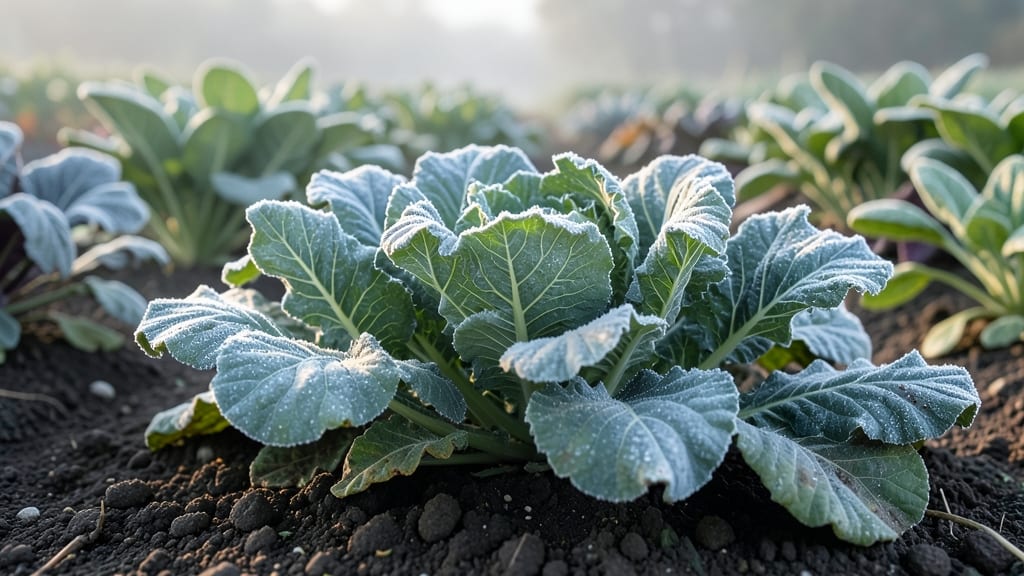
Did you know frost actually makes kale taste sweeter? Planting kale in October lets you take advantage of this natural flavor boost while giving your plants time to establish strong roots before winter.
Choose cold-hardy varieties like 'Winterbor', which thrives in Zone 7 winters and produces tender, flavorful leaves even after light frost. Space plants 12-18 inches apart in well-draining soil with full sun to partial shade. Mulch heavily with straw to protect roots from temperature swings. For best results, harvest outer leaves first to encourage continuous growth.
This is the perfect crop for gardeners who want year-round harvests with minimal effort. The hardy nature of kale makes it ideal for both backyard gardens and container growing. 🌱
Carrot Seeds for Slow-Growing Roots
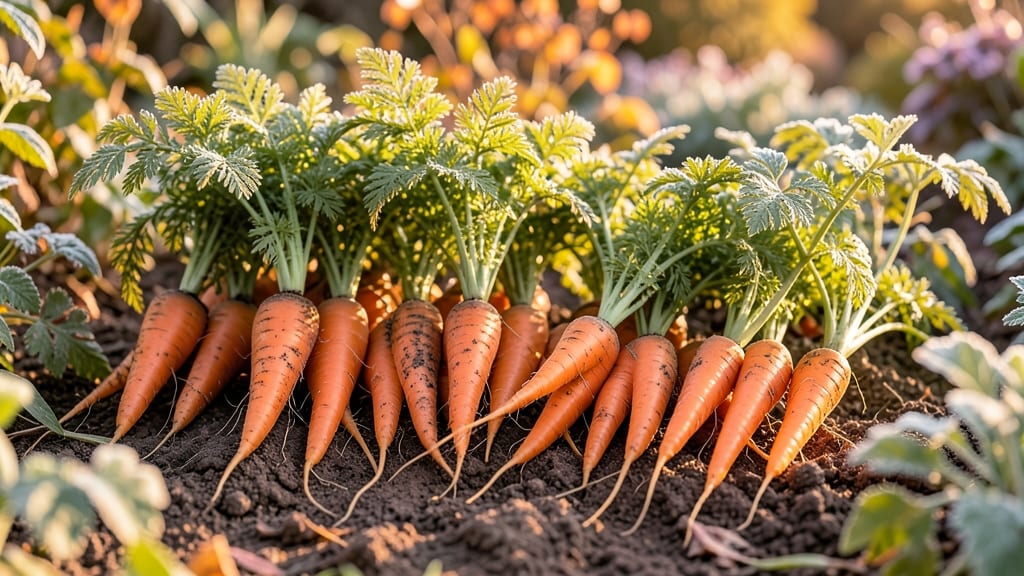
Want crisp, sweet carrots that actually survive winter? Slow-growing varieties like 'Nantes' are your secret weapon for October planting in Zone 7. These roots establish deep systems before cold sets in, then sweeten up beautifully after frost—unlike fast-growing types that bolt in heat or freeze too quickly.
Sow seeds in deep, loose soil (at least 12 inches) mixed with compost to prevent forking. Space them 2-3 inches apart and keep soil consistently moist until germination (about 10-14 days). Once established, they’ll tolerate light frosts and even snow cover, emerging sweeter in spring. For best results, mulch heavily with straw after planting.
This method is ideal for gardeners with heavy clay soil or those who’ve struggled with winter-killed carrots. The patience pays off with harvests that last well into spring—no summer planting required! 🌱
Onion Sets for Spring Green Onions
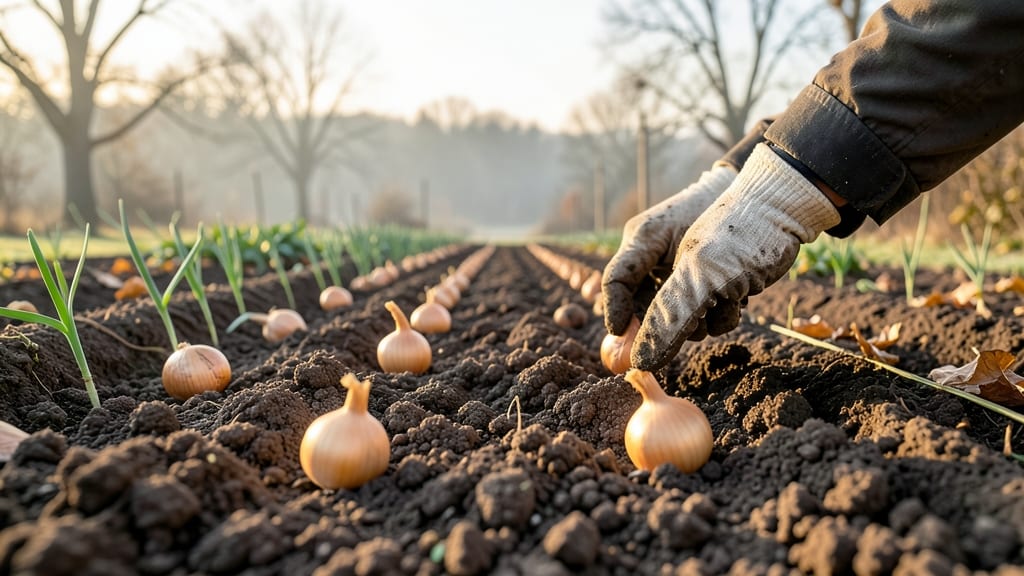
Want fresh green onions for spring salads without the fuss? Planting onion sets in October is your secret weapon—these hardy bulbs take just 60-70 days to regrow into tender scallions, perfect for early spring harvests.
Simply place onion sets (small bulbs, not seeds) 1 inch deep and 4 inches apart in well-draining soil. They thrive in full sun to partial shade and tolerate light frosts, making them ideal for small spaces, containers, or even between other crops. No thinning or special care is needed—just water occasionally and watch them sprout.
This low-maintenance choice is especially great for urban gardeners or anyone short on space. With minimal effort, you’ll enjoy homegrown green onions well before store-bought options appear. 🌱
Peas Seeds for Early Spring Harvest
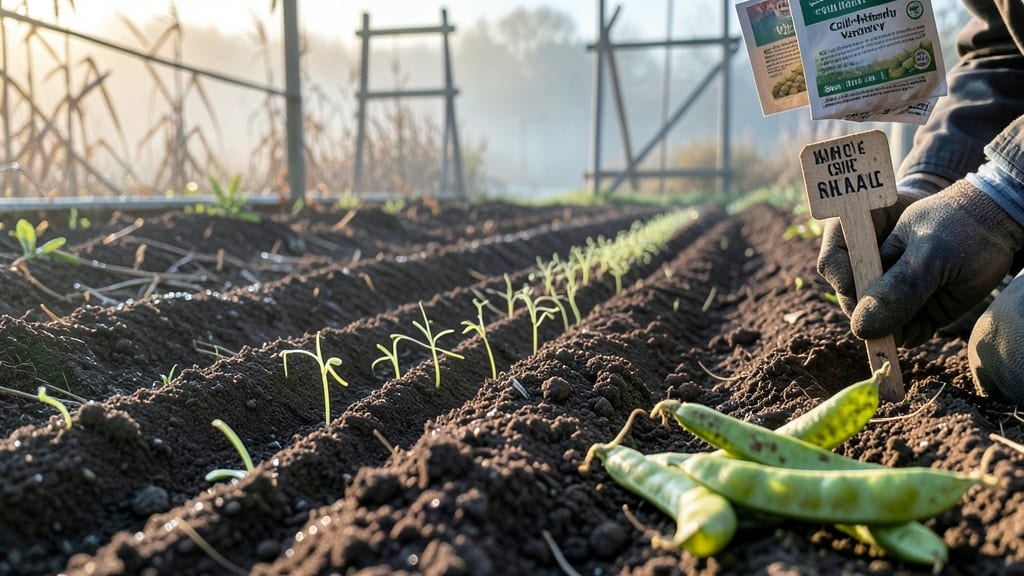
If you're eager to enjoy fresh, crisp peas in early spring, October is the perfect time to sow cold-hardy varieties like Sugar Snap or Sugar Ann. These varieties thrive in cool soil and can even handle light frosts, giving you a head start on the harvest season.
Sow seeds ½ inch deep and 2 inches apart in well-drained soil, spacing rows 18 inches apart. Use trellises or stakes to support their vining growth—this not only saves space but also keeps pods clean and accessible. For best results, plant in full sun to partial shade and keep the soil consistently moist until germination, which typically occurs in 7-14 days.
This method is ideal for small-space gardeners or those using containers, as peas grow vertically and don’t require much ground space. Plus, their nitrogen-fixing roots improve soil health for future plantings. 🌱
Radish Seeds for Quick Fall Harvest
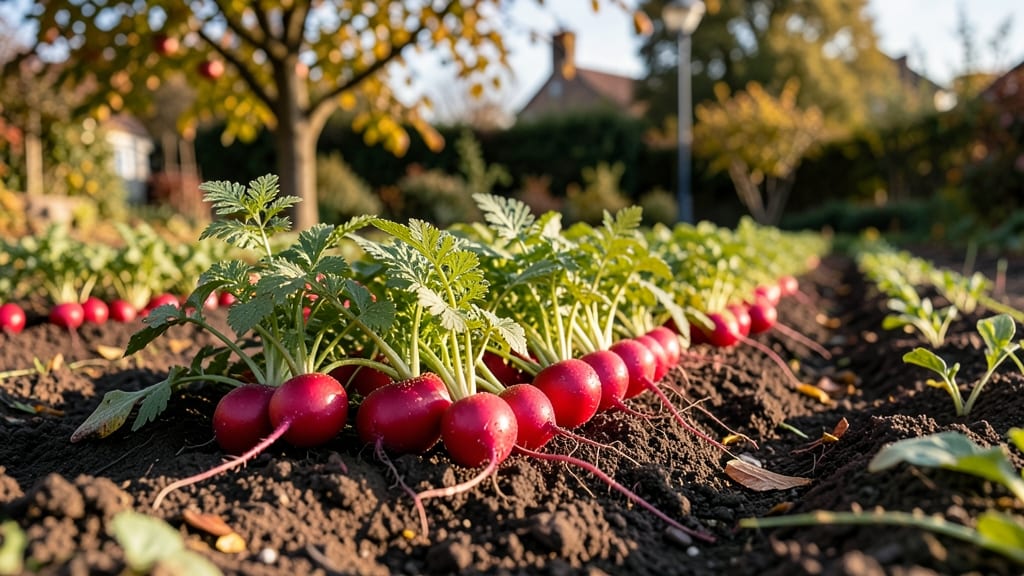
If you're craving a fast, satisfying harvest before winter sets in, radishes like 'Cherry Belle' are your secret weapon. These peppery roots mature in just 25-30 days, making them perfect for late-October sowings that beat the frost. Their speed also lets you squeeze in two or even three plantings before the ground freezes—ideal for succession planting.
Sow seeds ½ inch deep in loose, well-draining soil with 1 inch between plants and rows spaced 12 inches apart. Radishes thrive in cool temperatures (50-65°F) and actually bolt less in fall than in spring. For extra insurance, choose round varieties like 'Cherry Belle' or 'French Breakfast,' which resist cracking. A light mulch of straw helps maintain even soil moisture as temperatures drop.
This is the perfect crop for beginners, container gardeners, or anyone short on space—radishes grow well in pots and can even be interplanted with slower crops like carrots. Their quick turnaround gives you a peppery, crunchy reward before winter takes over. 🌱
Cauliflower Starts for Winter Protection
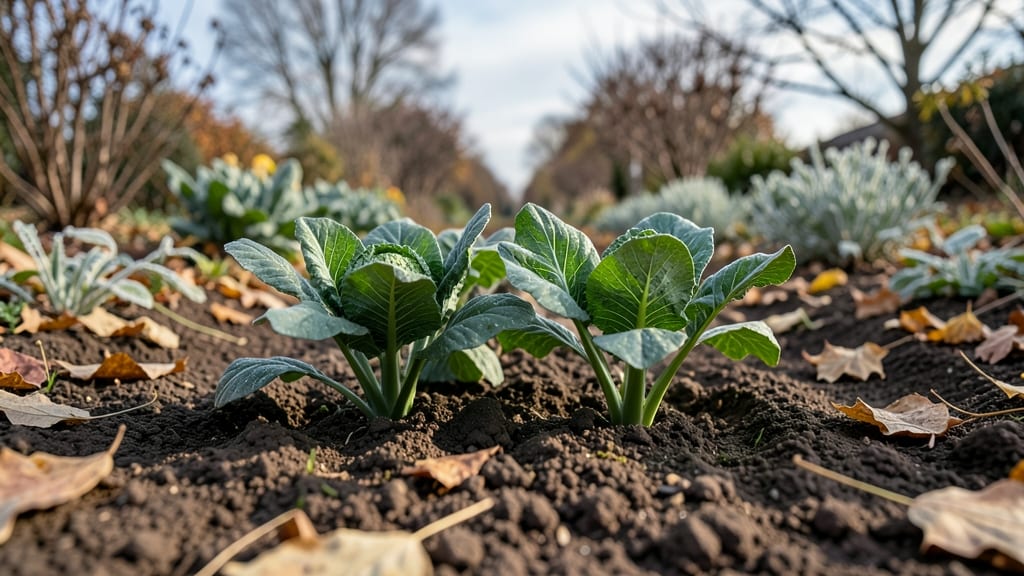
Want to enjoy homegrown cauliflower in spring without starting from scratch in spring? Plant cold-hardy varieties like 'Snowball Y Improved' in October—they’ll establish strong roots before winter and reward you with a head start on harvests.
These varieties thrive when planted in well-draining soil with full sun exposure and benefit from a thick layer of mulch to insulate roots. Once temperatures drop, cover young plants with frost blankets or row covers to protect them through Zone 7 winters. With proper care, you’ll harvest tender, flavorful heads weeks before spring-planted cauliflower.
This strategy is perfect for gardeners who want to extend their growing season with minimal extra effort—ideal for those with busy spring schedules or limited garden space. 🌟
Lettuce Seeds for Cut-and-Come-Again
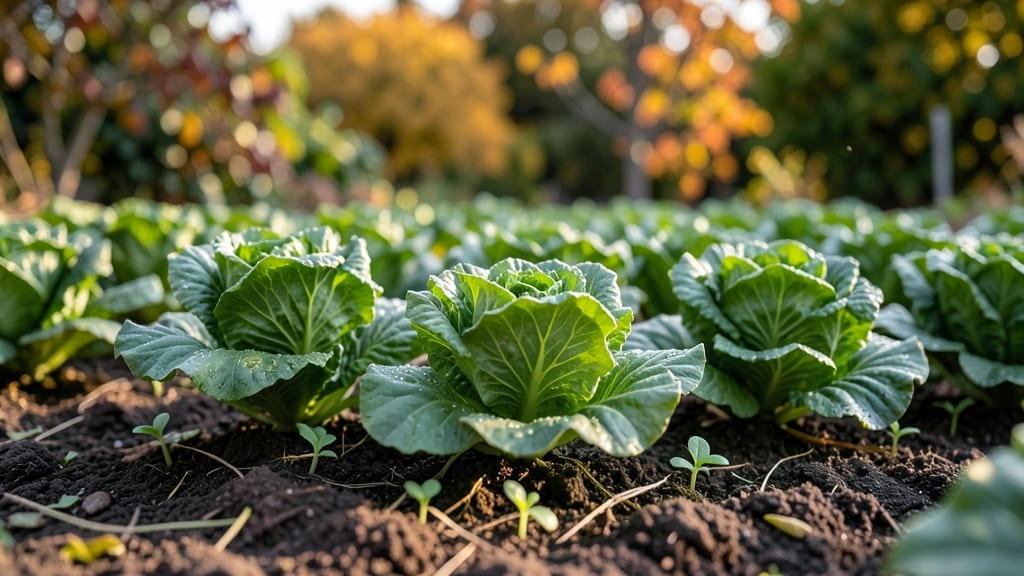
If you love fresh salads but hate wasting space, cut-and-come-again lettuce is your game-changer. Varieties like 'Winter Density' thrive in October’s cool weather, survive light frosts, and regrow after harvest—meaning you’ll get multiple harvests from a single planting.
Sow seeds directly in well-draining soil, ¼ inch deep, with rows spaced 12-18 inches apart. Thin seedlings to 6-8 inches apart for optimal airflow and growth. This variety’s cold tolerance lets you harvest well into winter, and its compact size makes it perfect for containers, window boxes, or small plots. Just keep soil consistently moist and protect from heavy frosts with a light row cover.
Urban gardeners and small-space growers will especially love this low-maintenance, high-reward option. It’s the ultimate way to enjoy fresh greens without sacrificing garden real estate. 🌱
Potato Seeds for Early Spring Tubers

Looking to beat the spring rush and enjoy homegrown potatoes weeks earlier? Planting certified seed potatoes in October lets you harvest tender new potatoes as soon as late April—before your neighbors even plant! This clever timing works because cool autumn soil encourages strong root development before winter dormancy.
Start with cold-hardy varieties like 'Yukon Gold' or 'Red LaSoda', which handle Zone 7 winters better than traditional spring potatoes. Cut seed pieces to reveal 2-3 eyes each, let them cure for 24 hours, then plant 4 inches deep in loose, well-draining soil. Space rows 30 inches apart to allow for spring spreading. A thick layer of straw mulch (4-6 inches) protects tubers from freezing and suppresses weeds.
This method is perfect for gardeners with limited spring planting windows or those who want to extend their harvest season without extra work. Plus, early potatoes taste sweeter and are ideal for fresh eating or light cooking. 🌱