
Planting
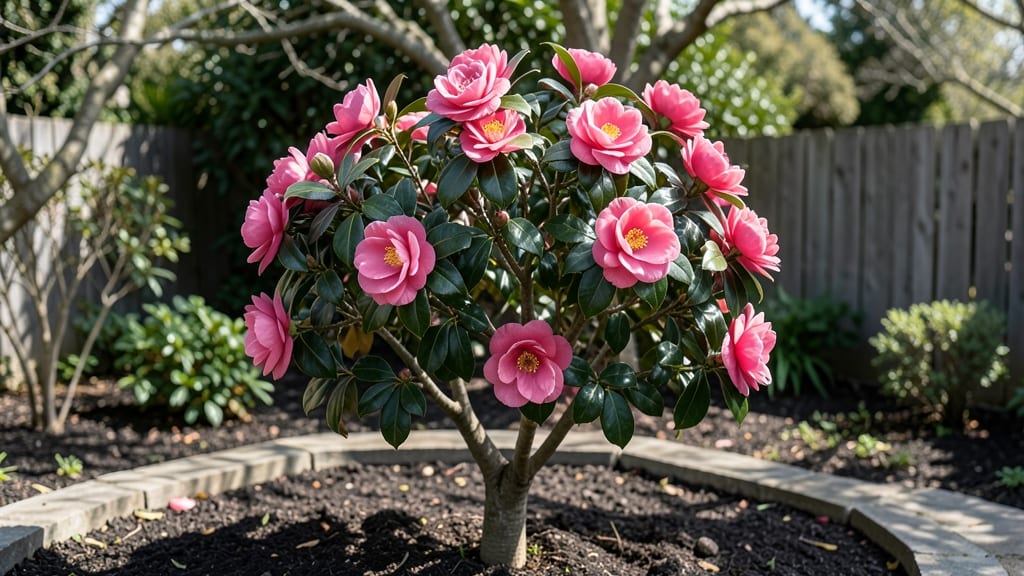
Understanding Birmingham's planting zone helps you choose the right plants for your garden. Zone 7b's 5°F to 10°F winter lows mean you can grow a wide range of perennials and shrubs, like azaleas and camellias, that thrive in these conditions.
However, urban areas often experience warmer microclimates due to pavement and buildings, which can extend growing seasons slightly. For example, spots near lakes or shaded courtyards might support plants that need slightly cooler conditions. 🌱
To get the most accurate planting advice, I recommend checking your specific location's frost dates and soil temperatures. Local weather stations or gardening apps can provide real-time data to fine-tune your schedule.
This way, you can avoid early or late frosts that might damage tender plants. Even within Zone 7b, elevation changes or urban heat can create noticeable differences in what grows best where.
💡 In This Article
- How USDA Zone 7b Affects Plant Selection in Birmingham
- Adjusting Planting Times for Birmingham’s Microclimates
How USDA zone 7b affects plant selection in Birmingham
Zone 7b's defining characteristic is its 5°F to 10°F winter minimum temperature range, which creates a sweet spot for plants that thrive in mild winters but can handle occasional cold snaps.
This zone allows Birmingham gardeners to cultivate a diverse mix of perennials like azaleas and camellias, which bloom spectacularly in these conditions. The extended growing season—typically 210 to 240 frost-free days—also supports heat-tolerant vegetables like okra and sweet potatoes, which flourish in Birmingham's 90°F+ summer temperatures. 🌿
What sets Zone 7b apart is its balance: cold-hardy plants like crabapples and serviceberries can survive the occasional 5°F dip, while tropical-inspired plants like bougainvillea or oleander push their northern limits here.
The key is understanding each plant's chill hour requirements—some need 300-500 hours below 45°F to set fruit, while others thrive with minimal winter dormancy. For example, peaches and plums do well here, but their fruit production depends on consistent cold exposure.
Urban microclimates complicate this picture. Concrete and asphalt in downtown Birmingham can create heat islands that raise temperatures by 5-10°F compared to rural areas, making some plants more vulnerable to heat stress.
Conversely, shaded courtyards or areas near Lake Purdy might experience 2-3°F cooler nighttime temperatures, extending the growing season for frost-sensitive crops. This is why a single address in Birmingham might support both zone 7a plants in sheltered spots and zone 7b varieties in exposed areas.
Soil type plays a hidden role too. Birmingham's clay-heavy soils retain heat longer, which can stress plants during sudden cold snaps. Amending with organic matter improves drainage and temperature regulation, helping roots stay 5-10°F warmer than the air—critical for plants like hydrangeas, which can suffer from winter desiccation.
Mulching with 3-4 inches of wood chips adds another 2-4°F of insulation, protecting tender roots during 5°F nights. 🌡️
For gardeners, this means carefully selecting plants that match both the zone AND their specific microclimate. A south-facing wall might support zone 8 plants like citrus trees in containers, while a north-facing yard stays closer to zone 7a.
Tools like the USDA Interactive Plant Hardiness Map or local Cooperative Extension Service data can help pinpoint exact conditions. Even within Zone 7b, elevation changes of just 100 feet can shift frost dates by 1-2 weeks, making precise planning essential.
Here's what to watch for: Plants labeled for Zone 7b will generally thrive, but those at the edges (like zone 7a or zone 8) may need protection. For instance, Japanese maples (zone 5-8) might struggle in exposed urban areas but flourish in shaded, sheltered gardens.
The same goes for roses—hybrid teas (zone 4-9) often outperform old garden roses (zone 3-7) in Birmingham's heat and humidity. 🌸