
Companion Plants
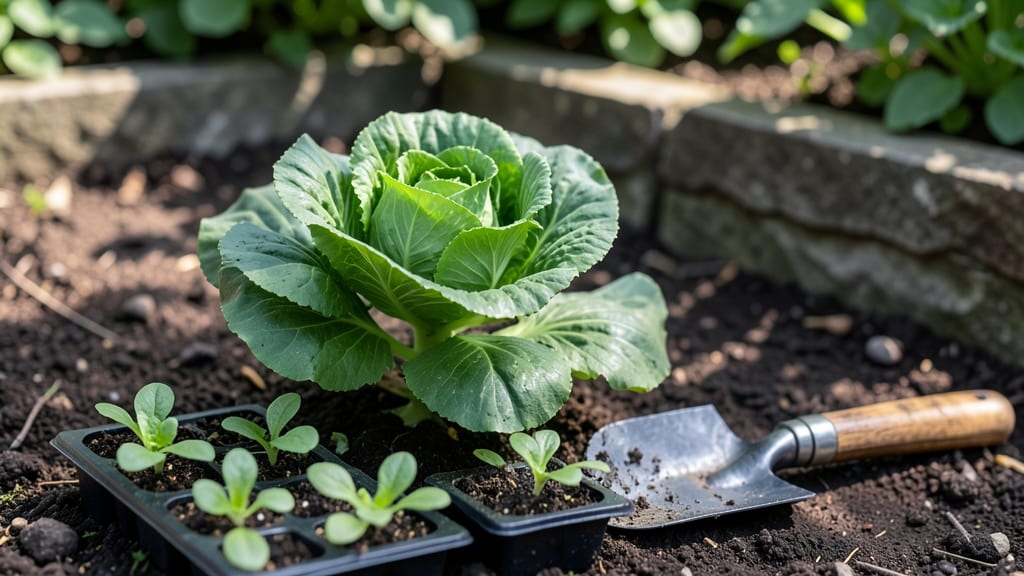
You can plant lettuce in Zone 7 as soon as the soil warms to 40°F in early spring, but timing is everything to avoid bitter leaves or bolting.
Picture this: you’ve waited all winter for that first crisp 🥬, only to watch your seedlings bolt into flower stalks by June. That’s why knowing the exact frost-free window—and how to stretch it—is the key to a steady harvest.
In Zone 7, your best bets are March through April for spring plantings and August to September for fall, but coastal areas can start a week earlier. The trick? Soil temperature matters more than calendar dates—cold soil slows growth, while heat sends lettuce into survival mode.
Below, I’ll break down the fastest planting schedule for your region, plus how to use shade cloth and succession planting to keep your garden producing through summer’s edge.

Zone 7 lettuce planting calendar: best months for success
Lettuce grows best in cool temperatures (50-70°F), making spring and fall the ideal seasons in Zone 7. Planting at the wrong time leads to bitter leaves or bolting—so timing is everything.
The last frost date (around April 15) and first frost date (around October 15) are your key benchmarks for success. 🌱
In Zone 7, early spring (March-April) and late summer (August-September) offer the perfect frost-free windows for planting. For spring, start seeds 4-6 weeks before your last frost, while fall plantings should begin 8-10 weeks before the first frost.
Coastal areas may have earlier last frosts (as early as March 15), while inland zones might delay until April 1. ☀️
| Planting Window | Best Months | Soil Temp (°F) | Heat Tolerance | Harvest Window |
|---|---|---|---|---|
| Early Spring | March - April | 45-65°F | Moderate (avoid >75°F) | May - June |
| Late Summer | August - September | 60-70°F | Low (bolts at >80°F) | October - November |
| Succession Planting | April - September | 50-70°F | Moderate (shade needed) | Continuous |
For spring lettuce, aim to plant 4-6 weeks before your last frost date (typically March 1-March 30). Use row covers if nights dip below 30°F to protect tender seedlings. Butterhead and romaine varieties handle cooler temps better than leaf lettuce, which bolts faster in heat.
Start seeds indoors 6-8 weeks before transplanting for a head start. 🌿
Fall lettuce thrives when planted 8-10 weeks before the first frost (usually August 1-August 15). Heat-tolerant varieties like Jericho or Black Seeded Simpson can handle 85°F for short periods, but prolonged heat will still cause bolting. Use shade cloth (30-50%) during July heatwaves to prevent stress. 🌡️
Zone 7’s summer heat (July-August) is the biggest challenge for lettuce. Temperatures above 75°F trigger bolting (flowering), turning sweet leaves bitter. To extend your season, try succession planting every 2 weeks from April through September.
Plant heat-resistant varieties in partial shade (e.g., under dappled trees) to buy extra time. ✂️
If you miss the ideal windows, don’t despair—container gardening lets you move lettuce to shadier spots or even indoors near a bright window. Microgreens can grow year-round under grow lights (12-14 hours/day). For outdoor beds, mulch heavily to keep roots cool and retain moisture during summer. 🪴
Pro tip: Test soil temperature before planting—lettuce seeds need soil temps between 45-75°F to germinate. Use a soil thermometer to avoid planting too early in cold soil (below 45°F) or too late when soil heats up (above 75°FCold soil delays germination, while hot soil causes seedling stress. 🌡️
For a continuous harvest, stagger plantings every 2-3 weeks from March through September. This ensures you always have mature leaves ready to pick while younger plants grow. Cut-and-come-again varieties like Salad Bowl are perfect for this method—they regrow after harvest, giving you multiple crops per season. 🥬
Remember: Lettuce is a cool-season crop, so treat it like a spring and fall specialty in Zone 7. With the right timing and a few tricks (like
How to extend lettuce season in Zone 7 without bolting
Zone 7’s summer heat forces lettuce to bolt—turning crisp leaves into bitter, flower-filled stalks—but with the right strategies, you can enjoy fresh lettuce nearly year-round. The key lies in heat-resistant varieties, shade solutions, and smart planting schedules that bypass the worst heat waves.
I’ve grown lettuce through Zone 7 summers using these methods, and I’ll share exactly how to make it work for you.
Bolting happens when lettuce senses prolonged heat or long daylight, triggering a survival mechanism that shifts energy from leaves to seed production. In Zone 7, temperatures above 75°F (24°C) for more than a few days will send most varieties into this unwanted cycle.
But by combining succession planting, shade cloth, and heat-tolerant varieties, you can stretch your harvest window from early spring through late fall—even into winter with protection.
- 1 Plant heat-resistant varieties like Jericho, Black Seeded Simpson, or Romaine—these tolerate 80°F+ better than traditional types.
- 2 Use shade cloth (30-50%) during peak afternoon sun (12 PM–4 PM) to drop leaf temps by 10-15°F—install it permanently in summer or use removable frames.
- 3 Succession plant every 2 weeks from March–September: Sow small batches in partial shade to ensure a continuous harvest as older plants bolt.
- 4 Mulch with straw or grass clippings (2–3 inches) to keep soil temps 5–10°F cooler and retain moisture—critical during Zone 7’s dry summers.
- 5 Harvest aggressively: Pick outer leaves when they reach 4–6 inches to prevent bolting—this redirects energy to leaf growth instead of flowering.
For spring lettuce, start seeds indoors 6–8 weeks before your last frost date (typically mid-March in Zone 7) and transplant seedlings when soil temps hit 40°F (4°C)fall, sow seeds 8–10 weeks before the first frost (early August) for a harvest before cold sets in.
I’ve found that Romaine and Buttercrunch varieties handle the transition between seasons best.
If you’re growing in containers, choose shallow pots (6–8 inches deep) and place them in dappled shade during summer afternoons. Container lettuce bolts faster due to heat absorption, so water deeply twice daily (morning and evening) to maintain cool roots.
For in-ground beds, amend soil with compost and aged manure before planting—this improves water retention and nutrient availability, both critical for heat-stressed plants.
Monitor your lettuce’s leaf color and growth rate as indicators of stress. Yellowing edges or slow growth signal heat or nutrient deficiency, while tightly curled leaves mean it’s time to provide shade.
I once lost a batch of Bibb lettuce to bolting because I ignored the bitter taste test—a sure sign it’s time to harvest or protect your plants. With these strategies, you can enjoy crisp, sweet lettuce from March through November in Zone 7.
Pro tip: Pair your lettuce with radishes or carrots—they thrive in the same conditions and act as natural shade companions for your lettuce during peak heat. Just avoid planting near celery or fennel, which can stunt lettuce growth. 🌱