
Companion Plants
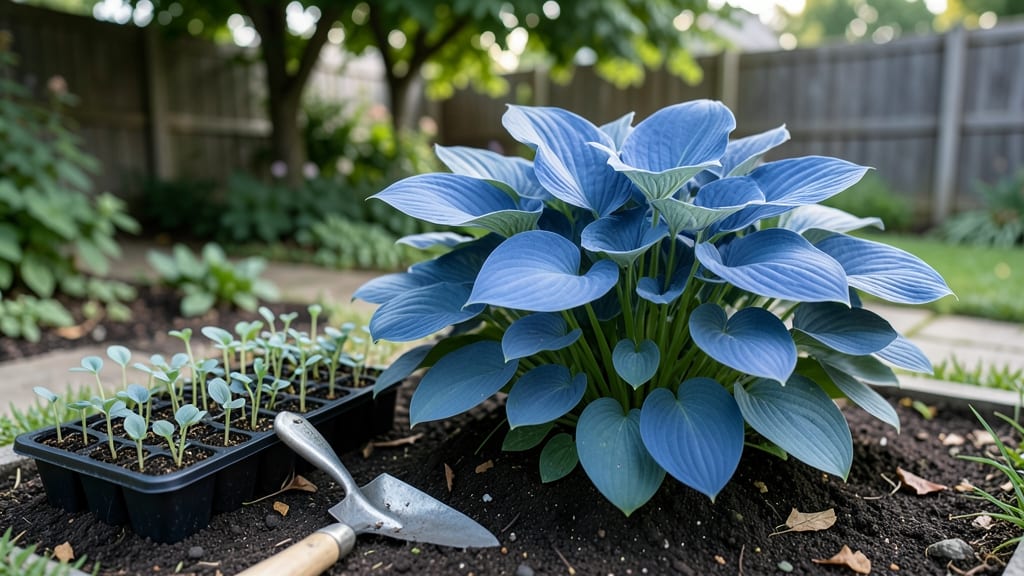
You can plant perennials in Zone 5 after your last frost in spring or 4-6 weeks before the first frost in fall, timing that makes all the difference between a garden that thrives and one that struggles.
Planting perennials in Zone 5 at the wrong time can mean the difference between a thriving garden and wasted effort—so timing is everything. Too early, and a late frost will kill tender roots; too late, and the plants won’t establish before winter sets in.
In Zone 5 (General), where last frosts typically hit in mid-April to early May and first frosts arrive by mid-October, the ideal windows are late April to early June for spring and September to early October for fall.
Below, I’ll break down the exact weeks, soil prep tips, and how to adjust for your microclimate.
Whether you’re planting hardy coneflowers or delicate lavender, this guide ensures your perennials get off to the right start—no guesswork, just proven timing for a stronger, longer-lasting garden.

Zone 5 perennial planting timeline: exact weeks for spring and fall success
Timing your perennial planting in Zone 5 is all about avoiding late spring frosts and preparing for early fall chills. The difference between a thriving garden and a failed planting often comes down to these 10-12 week windows each season.
In Zone 5, where last frosts hit mid-April to early May and first frosts arrive mid-October to early November, precision matters.
Spring planting for hardy perennials like coneflowers and hostas starts 4-6 weeks after your last frost date, while tender perennials like lavender must wait until soil temperatures hit 55°F.
Fall planting, on the other hand, begins 4-6 weeks before your first frost to give roots time to establish before winter dormancy. Miss these windows, and you risk stunted growth or frost damage.
Here’s the exact week-by-week breakdown you need to plant perennials in Zone 5 successfully, including soil temperature thresholds and frost risk analysis.
| Season | Week | Planting Window | Soil Temp Threshold | Frost Risk | Best For |
|---|---|---|---|---|---|
| Spring | Weeks 1-2 (April) | Early Spring (Hardy Perennials) | 40-45°F | High (Frost likely) | Peonies, Bleeding Heart |
| Spring | Weeks 3-4 (Late April) | Post-Last Frost (4-6 weeks after) | 50-55°F | Moderate (Risk decreases) | Coneflowers, Black-Eyed Susans |
| Spring | Weeks 5-6 (May) | Established Growth (Tender Perennials) | 60°F+ | Low (Safe) | Lavender, Russian Sage |
| Fall | Weeks 1-2 (September) | Early Fall (Cool-Season Perennials) | 60-65°F | Low (Safe) | Asters, Sedum |
| Fall | Weeks 3-4 (October) | 4-6 Weeks Before First Frost | 50-55°F | Moderate (Risk increases) | Hostas, Daylilies |
| Fall | Weeks 5 (Late October) | Late Fall (Hardy Perennials Only) | 45°F+ | High (Frost imminent) | Salvia, Catmint |
For spring planting, I always recommend waiting until soil temperatures consistently stay above 50°F to avoid root rot from cold, wet soil. Use a soil thermometer to check—it’s a game-changer for accuracy.
If you’re planting tender perennials like lavender or rosemary, wait until mid-May when nighttime temperatures are reliably above 55°F.
Fall planting in Zone 5 is equally critical. The 4-6 week window before your first frost gives roots time to establish before winter. For example, if your first frost is October 15, aim to plant by September 15.
This timing ensures hostas and daylilies have enough time to develop strong root systems before dormancy. If you miss this window, consider using row covers to extend the season for delicate varieties.
One common mistake I see is planting too early in spring or too late in fall. Early spring plantings can get frost-nipped, while late fall plantings may not establish roots before winter.
To avoid this, always check your local frost dates and adjust accordingly. For instance, in Zone 5a (colder microclimates), you might need to push fall planting back to early September.
Pro tip: Use mulch after planting to regulate soil temperature and retain moisture. A 2-3 inch layer of organic mulch (like straw or shredded leaves) can make a huge difference in survival rates. It also helps suppress weeds, which is a bonus for busy gardeners like me!
Finally, don’t forget to water deeply after planting—whether in spring or fall—and keep the soil moist (but not soggy) for the first 2-3 weeks. This encourages root growth and helps plants establish faster. In Zone 5, where drought stress can be a concern, consistent
How to adjust planting dates based on microclimate and soil conditions
Your Zone 5 garden might have pockets of shade, urban heat islands, or poor-draining soil that throw off standard planting timelines. These microclimates can delay or extend your planting window by weeks—sometimes even months.
For example, a north-facing bed might stay cold longer, while a south-facing wall could warm up faster than your general last frost date. Understanding these variations helps you plant perennials at the perfect time for their success.
Soil conditions also play a critical role. Clay-heavy soil holds moisture longer, delaying spring planting, while sandy soil warms up faster but drains too quickly. Amending your soil with compost or organic matter can improve drainage and warmth retention, giving you more flexibility with planting dates.
For instance, adding well-rotted manure can raise soil temperatures by 2-3°F, helping tender perennials like lavender or Russian sage establish earlier in spring.
Use mulch or row covers to extend your planting window by 2-4 weeks. A 2-inch layer of straw mulch can raise soil temps by 3-5°F and retain moisture, while floating row covers protect young plants from late frosts. For shaded areas, choose shade-tolerant perennials like heuchera or foamflower, which thrive when planted 4-6 weeks later than sun-loving varieties.
If you're gardening in an urban setting, concrete and pavement can create heat islands that warm up faster than rural areas. This means you might safely plant heat-loving perennials like black-eyed Susans or daylilies 1-2 weeks earlier than the average last frost date.
Always check soil temperatures with a soil thermometer—most perennials prefer soil temps above 50°F for root growth. For shaded gardens, delay planting until mid-May or even early June, as cooler soil temps persist longer in low-light areas.
For poor-draining soil, consider raised beds or containers to improve drainage and warmth. Fill them with a mix of topsoil, compost, and perlite to create an ideal growing medium.
This approach lets you plant moisture-sensitive perennials like sedum or salvia as soon as soil is workable, often 2-3 weeks earlier than in-ground planting. Always test your soil’s drainage by filling a hole with water—if it doesn’t drain within 6 hours, amend it before planting.
Another trick is to use cold frames or mini greenhouses to jumpstart spring planting. These structures can raise soil temps by 10-15°F, allowing you to plant tender perennials like coral bells or catmint 3-4 weeks before the usual timeline.
Just remove the cover once plants are established to avoid overheating. For fall planting, use black plastic mulch to absorb heat during the day and radiate it back at night, keeping soil warm longer and extending your planting window into late October for hardy perennials.
Finally, keep a planting journal to track what works in your unique microclimate. Note when you plant, how your soil behaves, and which perennials thrive. Over time, you’ll fine-tune your planting dates to match your garden’s specific conditions—leading to healthier, more resilient plants.
With these adjustments, you’ll maximize your Zone 5 growing season and enjoy a longer bloom time for your perennials. 🌿